Halifax, Canada
Ports
Home • Ports • America • Canada • Halifax
About Halifax
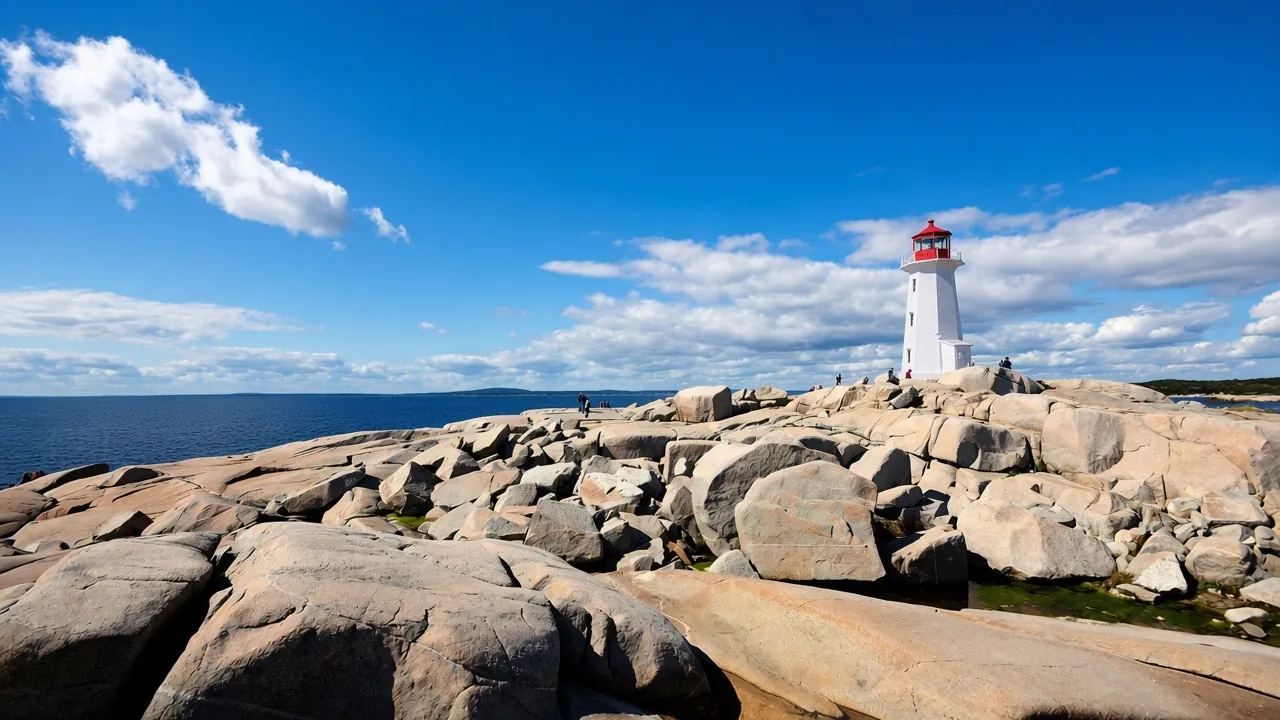
Halifax, the capital of Nova Scotia, is a harbour city on a steep slope, with the star-shaped Citadel on the hill, a long waterfront boardwalk and a maritime history that includes the Halifax Explosion, the Titanic recovery and the immigration sheds at Pier 21. The downtown streets between the citadel and the harbour are compact enough for a first visit on foot. Cruise ships usually berth on that same waterfront, so the boardwalk, the museums and the lower town are a short walk. Peggy's Cove, with its lighthouse on the granite shore, is a popular outing about three-quarters of an hour down the coast.
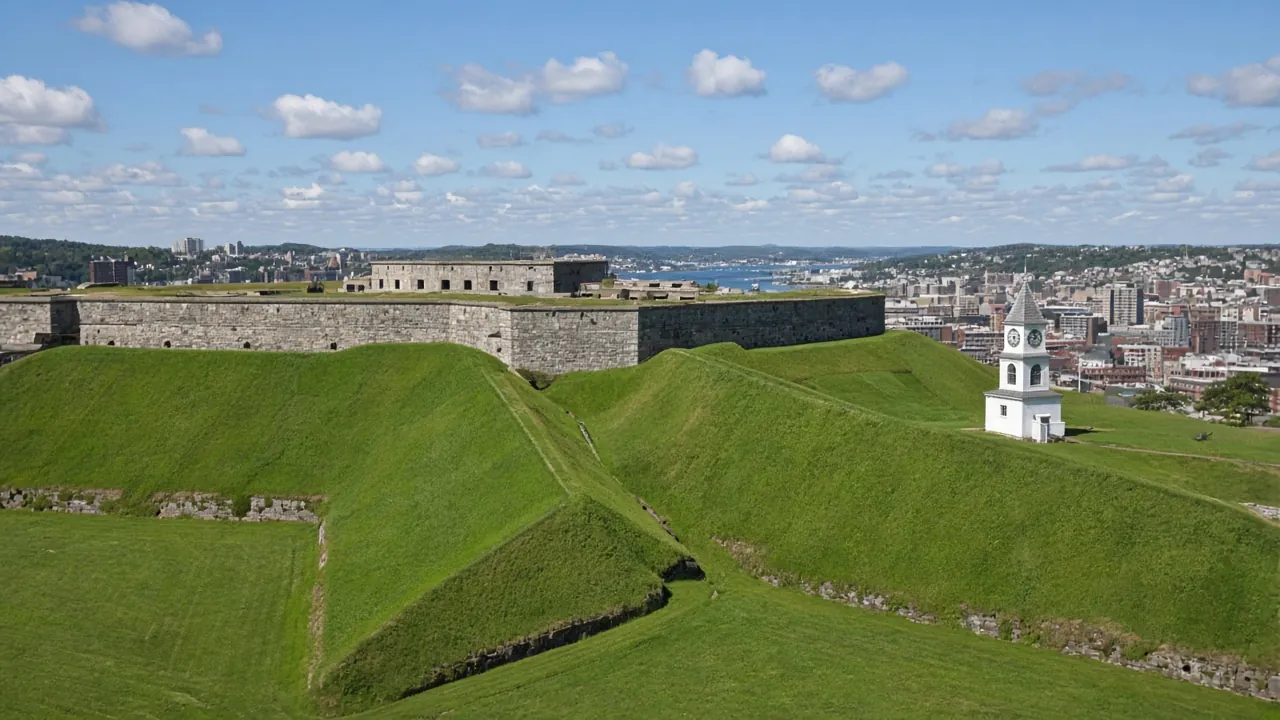
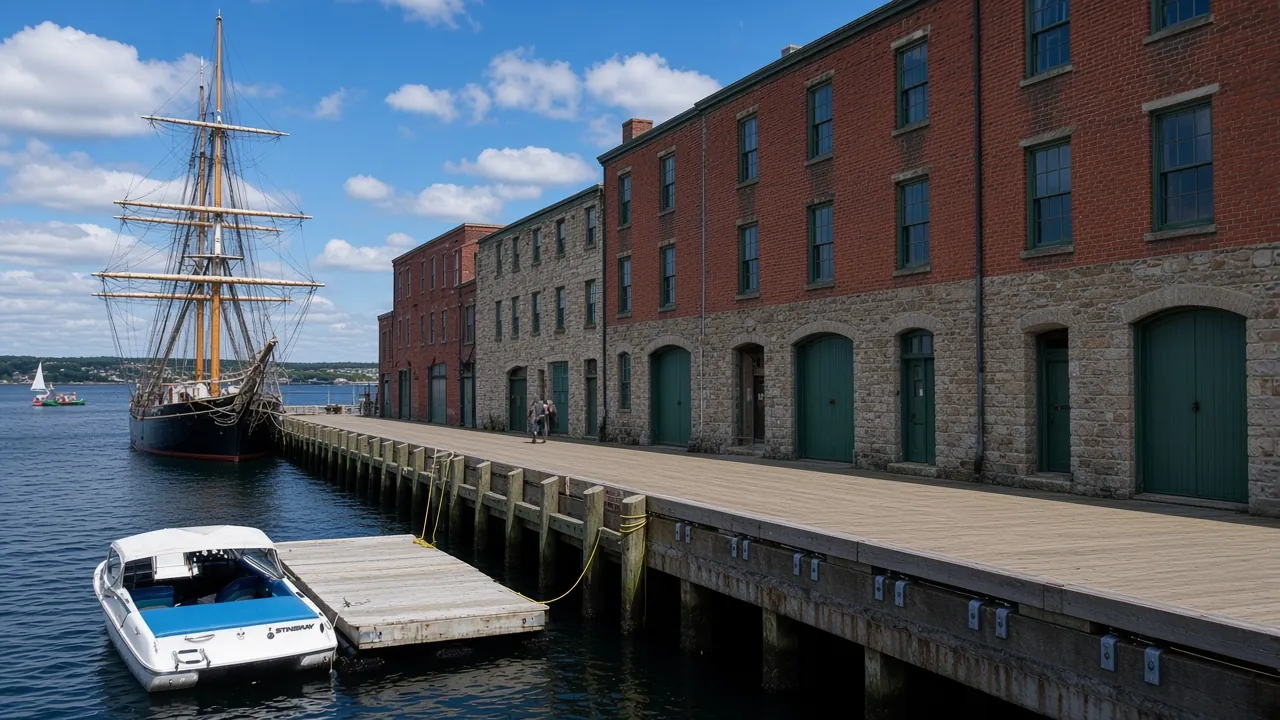
Citadel Hill organises the city: a star-shaped British fort on the drumlin above downtown, with a view over the harbour and a clear sense of why Halifax was built as a garrison and a naval town. The sloping streets between the citadel and the water are the historic core, compact enough to walk, with the waterfront boardwalk as the lower edge. Along that boardwalk sit the Maritime Museum of the Atlantic — shipwrecks, the navy, and a thoughtful Titanic collection, because recovery ships from Halifax brought many of the dead and some of the wreckage to this port — and Pier 21, the former immigration shed that is now a national museum of arrival in Canada. These are close, serious indoor stops, and they give the city more historical weight than its modest skyline might suggest.
The harbour is large and working, and the city's memory also includes the Halifax Explosion of 1917, when a munitions ship collision devastated the north end. You will meet that story in museums and in plaques; it is part of how the place understands itself. A first day can stay entirely between the citadel and the pier: walk the hill, walk the boardwalk, go into one museum, and eat in the lower town.
Peggy's Cove, a small fishing community with a lighthouse on bare granite about three-quarters of an hour down the coast, is the classic outing, and it is photogenic in any weather that is not a gale. It will take a half day with the drive. Food in Halifax is strong: seafood, particularly lobster and scallops, a good café culture, and a walkable downtown of restaurants. Lunch near the waterfront is the easy plan.
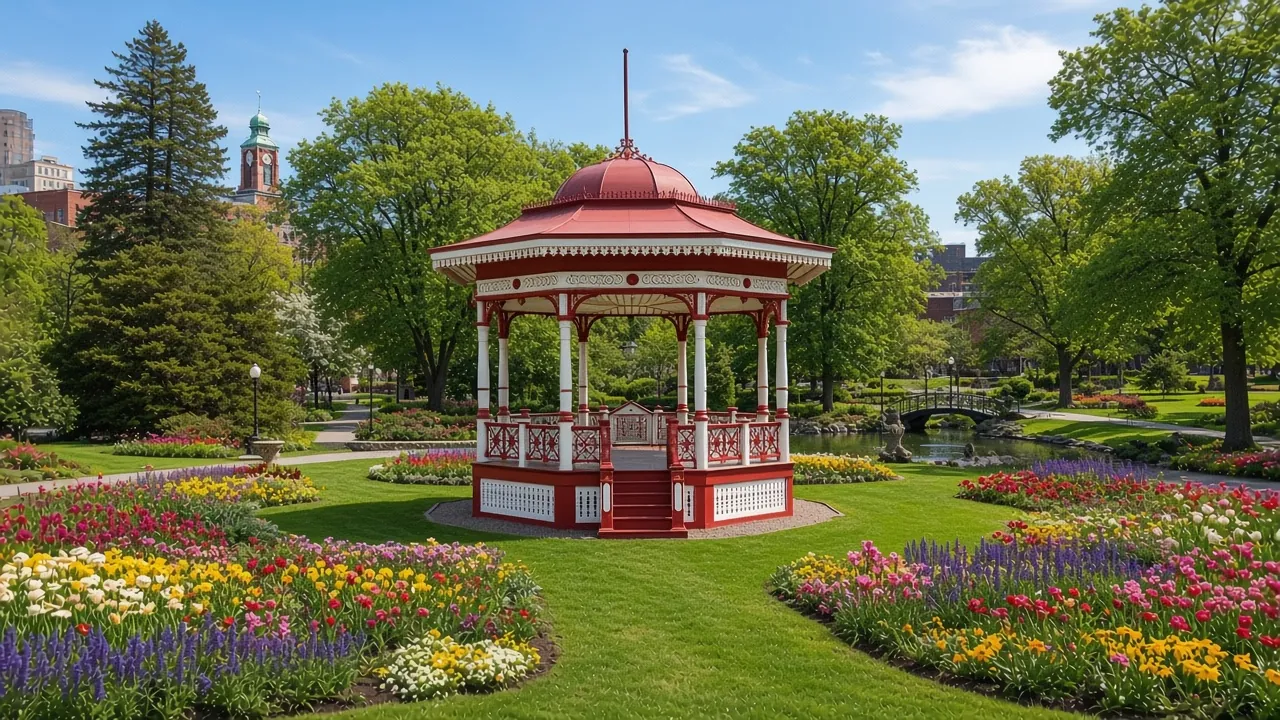
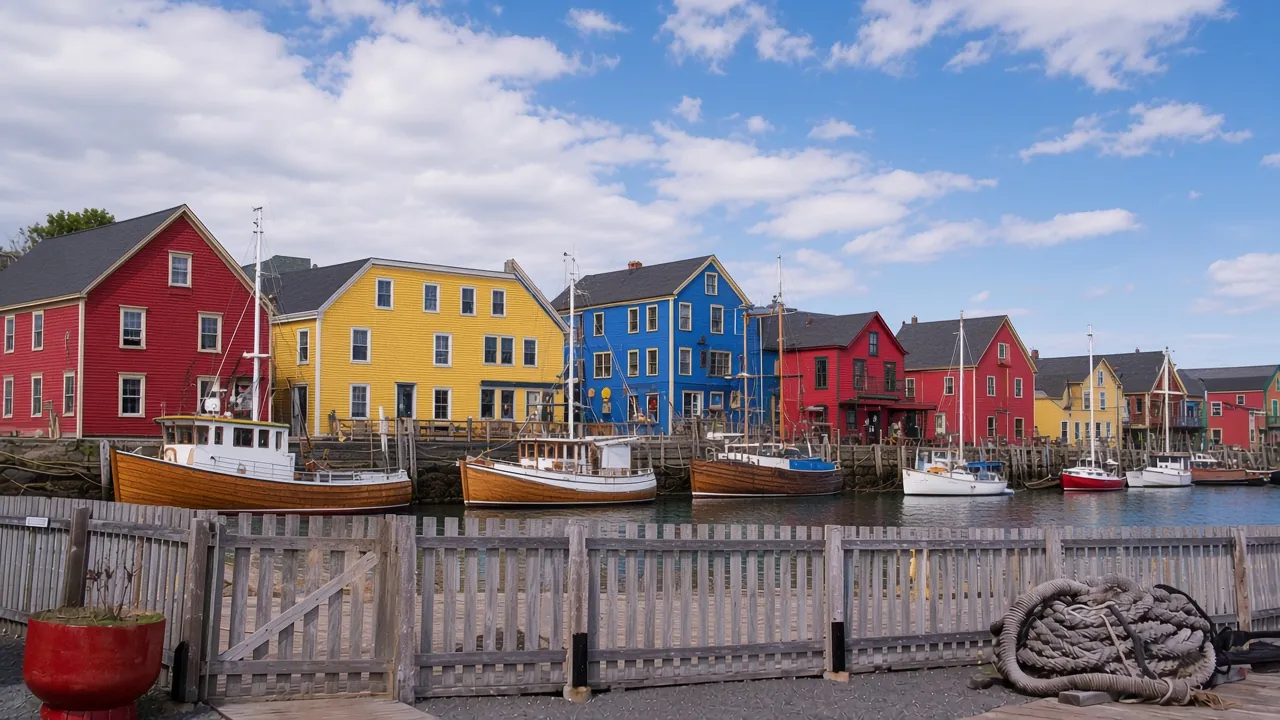
Ships usually berth on the same waterfront, so you can walk ashore into the boardwalk without a transfer. That is the virtue of the call. See the citadel and one museum, and add Peggy's Cove only if the hours are generous. The town of Lunenburg, a UNESCO site further down the south shore, is a longer drive again and belongs to a long call or a different day. Come back along the boardwalk with time in hand; you are close to the ship, but the hill and the outings are not instant. The Halifax Public Gardens, a formal Victorian garden a short walk inland from the citadel, are a calm, close complement to the waterfront and a good place to pause if the harbour is windy. Downtown is a mixture of older warehouses, later towers and a tight grid of restaurants and university life. You will not lack a café between the hill and the pier. The boardwalk can be busy on ship days; it is still the right way to move along the harbour.
Port landmarks
Shore Excursions
- Peggy’s Cove Scenic Tour – 5 h
- Peggy's Cove and Lunenburg Tour – 6 h
- Peggy’s Cove and Lunenburg Combo Tour – 7 h
- Wine Tour Wolfville Wine Tours in Nova Scotia – 6 h
- Peggys Cove Sunset Tour – 3 h
- Peggy’s Cove Express Tour: Scenic Guided Experience – 4 h
- Halifax Essentials: Peggy’s Cove, Citadel Hill & Titanic Cemetery – 4 h
- Discover Lunenburg and Mahone Bay Guided Tour – 6 h