Guangzhou, China
Ports
Home • Ports • Asia • China • Guangzhou
About Guangzhou
Guangzhou is a great river city of southern China, the historic heart of Cantonese trade and cooking, standing well up the Pearl River from the sea. Cruise ships do not berth in the old city. They use the Nansha International Cruise Homeport, a modern terminal in the estuary about sixty to sixty-five kilometres south of the centre — typically around an hour by taxi, or often an hour and a half to two hours by metro on Line 4 with a change. Nansha itself is a later district, not the ancestral heart of Guangzhou. A first day is a choice: stay closer to the terminal, or go upriver to the city with a conservative return.
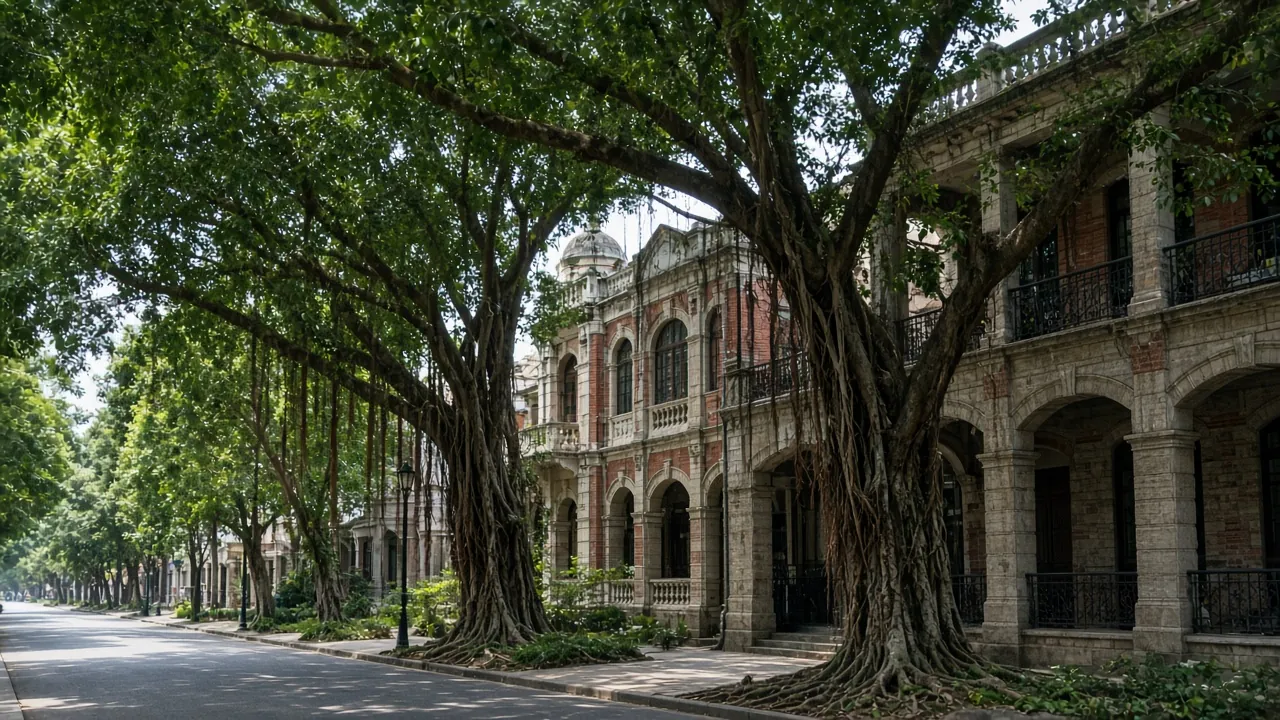
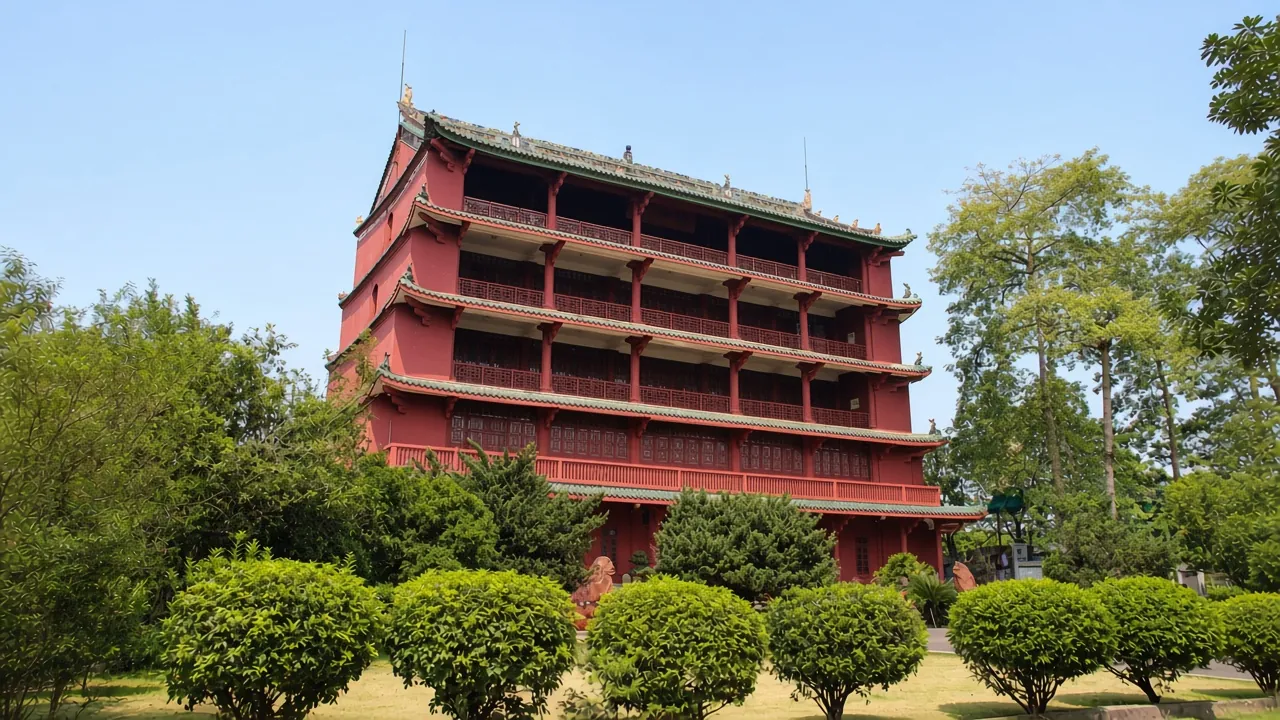
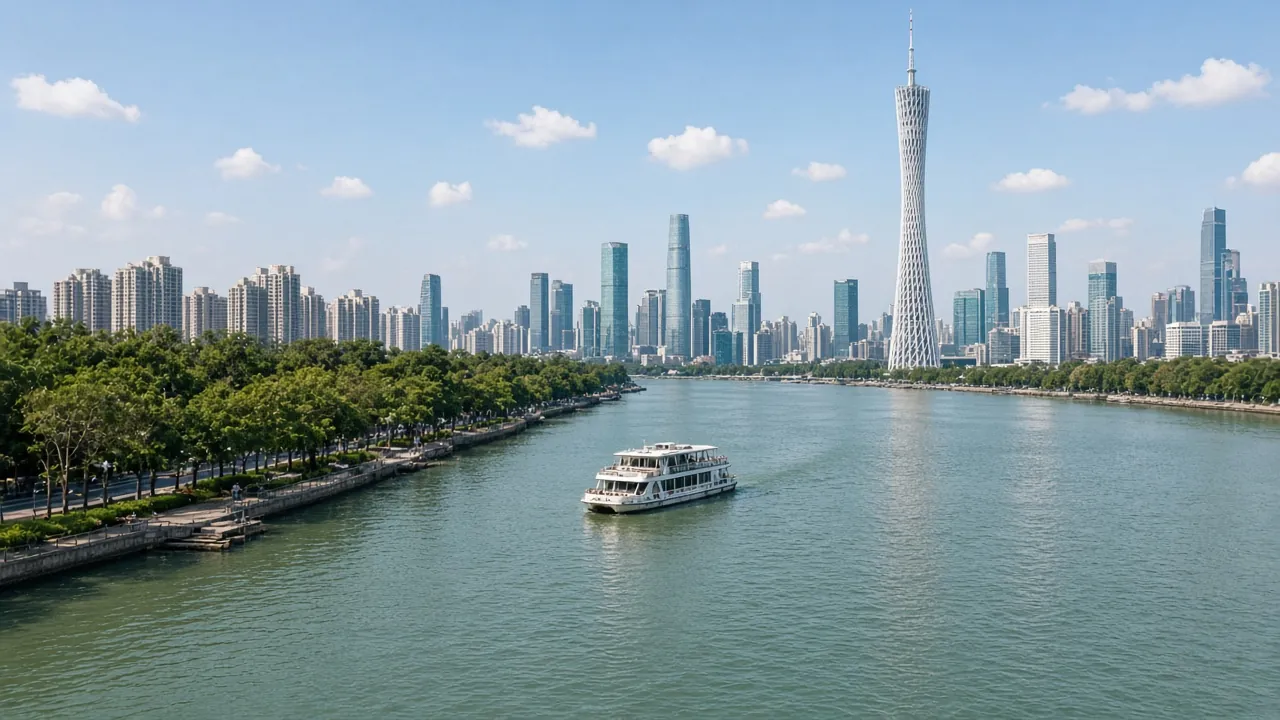
If you go into Guangzhou, the rewards are those of a deep southern metropolis: a long mercantile history, a dense old core, and one of China's great food cultures. Shamian Island, a later treaty-era quarter of shaded streets and former consular buildings, is a compact, walkable introduction. The Chen Clan Ancestral Hall, with its elaborate decoration, is a serious cultural stop, and Yuexiu Park, with the statue of the five rams, gives a civic green space in the older city. The river itself remains the organising fact, even if your ship has not come this far up. Cantonese cooking — dim sum, roast meats, tea houses — is not a side note; it is one of the best reasons to make the journey, and a lunch in the city is a better use of time than a rushed look at a tower.
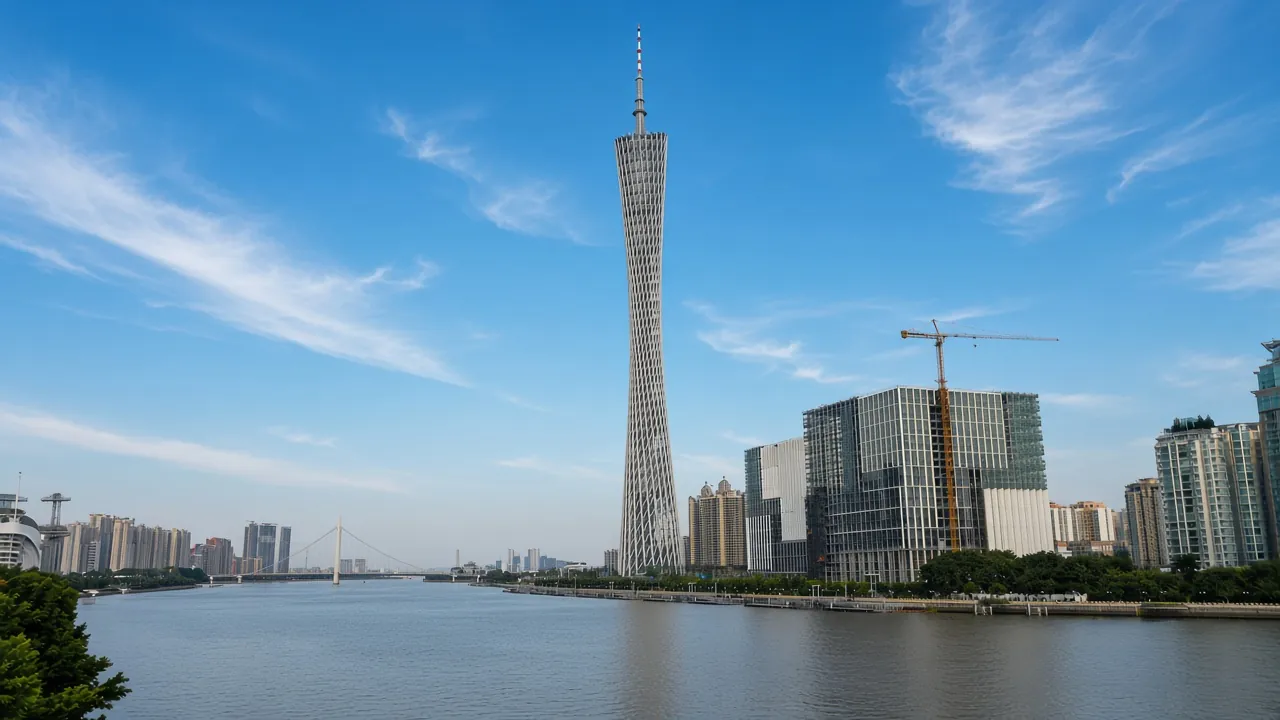
What you cannot do, on a port day that still has to return to Nansha, is see all of Guangzhou. The city is vast. New business districts, the Canton Tower, and far-flung markets will swallow the clock. Pick a small circuit in the older city and a meal, and treat everything else as a reason to come back. The metro from Nansha Passenger Port station, on Line 4, is a reliable, inexpensive way into the city if you are comfortable with a change and with a journey that often approaches two hours door to door. A taxi is faster when the roads are kind, typically on the order of an hour, and still needs a wide margin for traffic and for the return.
Nansha, at the mouth of the estuary, is a later port and development district. It has waterfront, new civic spaces and the practical facilities of a homeport, but it is not a substitute for the historic city. A day that stays near the terminal is a quieter, shorter day; it is honest if the hours are tight.
Food should decide part of the plan. If you go upriver, eat in Guangzhou. If you stay in Nansha, eat near the port; a second metropolis at the end of a motorway is not a last-hour addition once the time has gone.
The landing is Nansha, not the old quays of the city centre. Build the transfer into both directions, and come back earlier than the map suggests. A first day that reaches Shamian or the ancestral hall, has a proper Cantonese lunch, and returns without a sprint is a success. A first day spent mostly underground or in a taxi queue is not. The Pearl River estuary is wide and busy; the city upriver is the cultural prize, and it only works if you treat the distance with respect.
Port landmarks