Las Palmas de Gran Canaria, Spain
Ports
Home • Ports • Europe • Spain • Las Palmas de Gran Canaria
See all 2 tours in Las Palmas de Gran Canaria
About Las Palmas de Gran Canaria
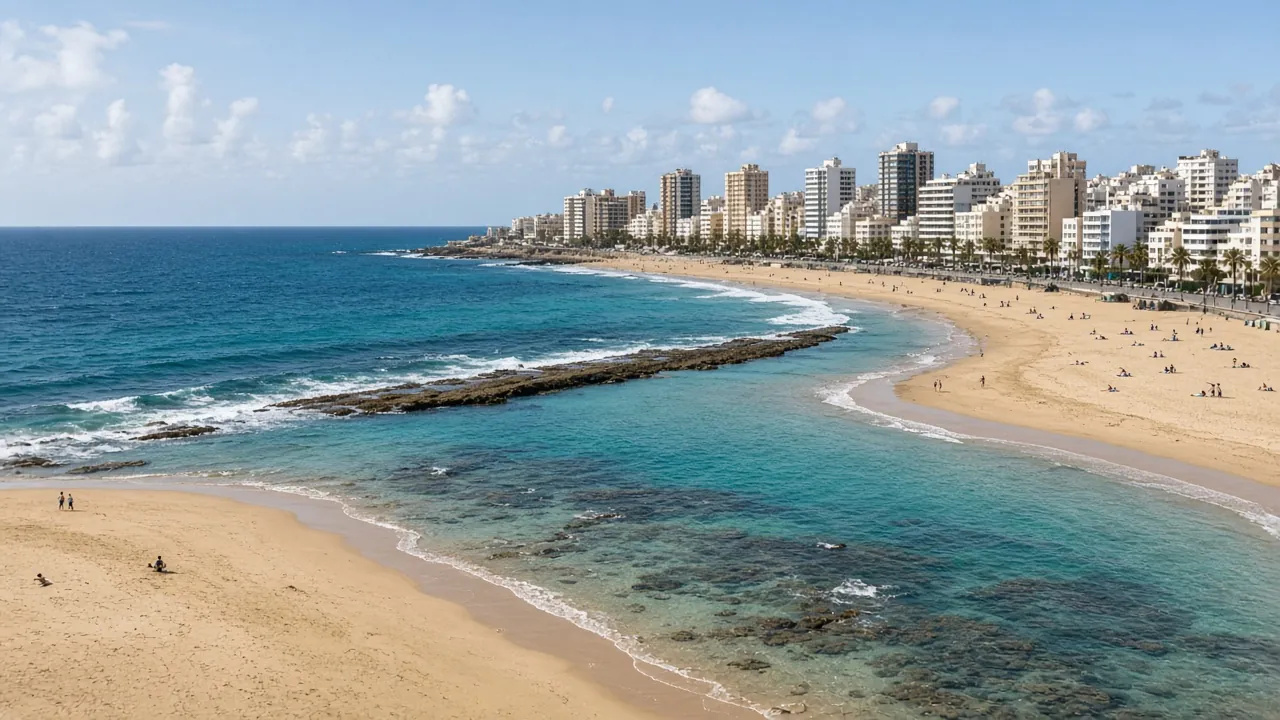
Las Palmas de Gran Canaria is the main city of the island, a long Atlantic harbour on the northeast shore with the old quarter of Vegueta at one end and Las Canteras beach at the other. Cruise ships berth at the Santa Catalina quays, close enough that the park and the waterfront can often be reached on foot, while Vegueta is a short bus or taxi ride along the shore. This is not Santa Cruz de Tenerife, and it is not the southern resort harbour at Los Cristianos. The light is bright, the trade wind is part of the day, and a call can stay in the city without circling the island. Leave time for the walk or ride back to Santa Catalina.
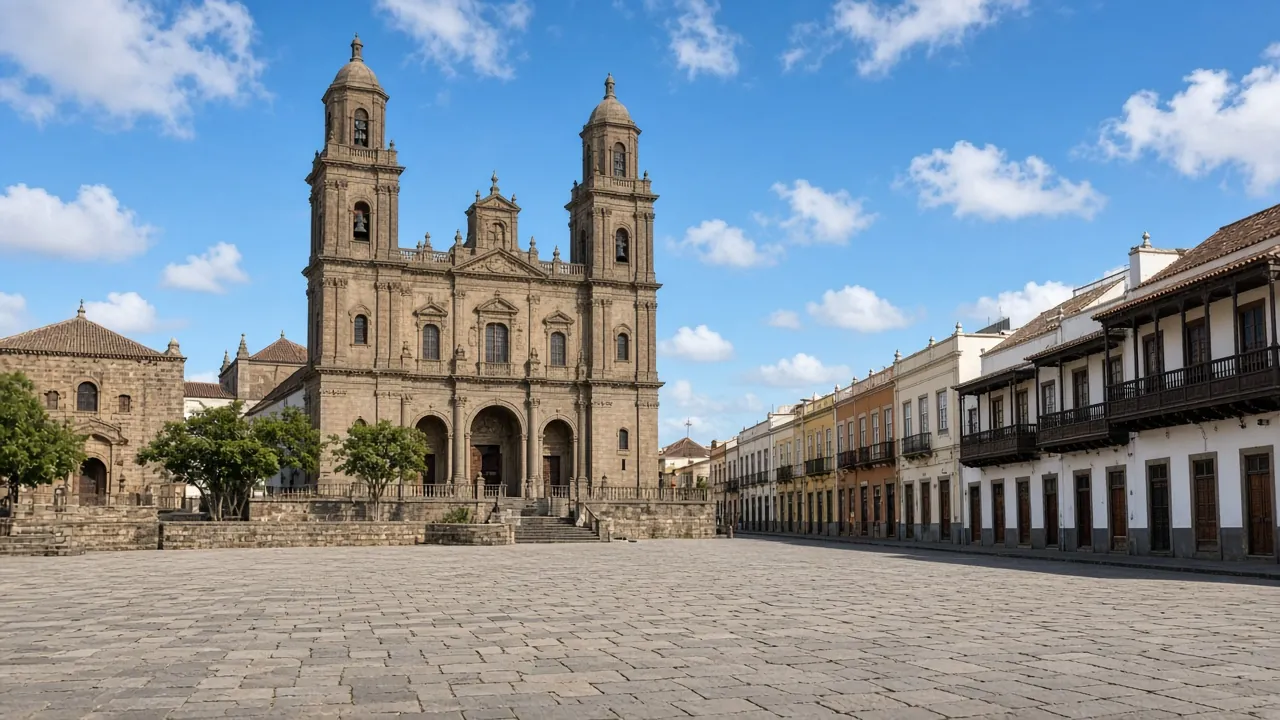
Las Palmas de Gran Canaria is a long, low city on the island's northeast shore, stretched between the historic quarter of Vegueta and the beach of Las Canteras, with the working harbour and the later commercial streets in between. It has been a Spanish Atlantic gate for centuries, a place of trade, a stop on the way to the Americas, and the largest city in the Canary Islands. The cathedral of Santa Ana, the Casa de Colón and the tight lanes of Vegueta sit at the older end; the wide sand of Las Canteras and the park at Santa Catalina sit nearer the cruise quays.
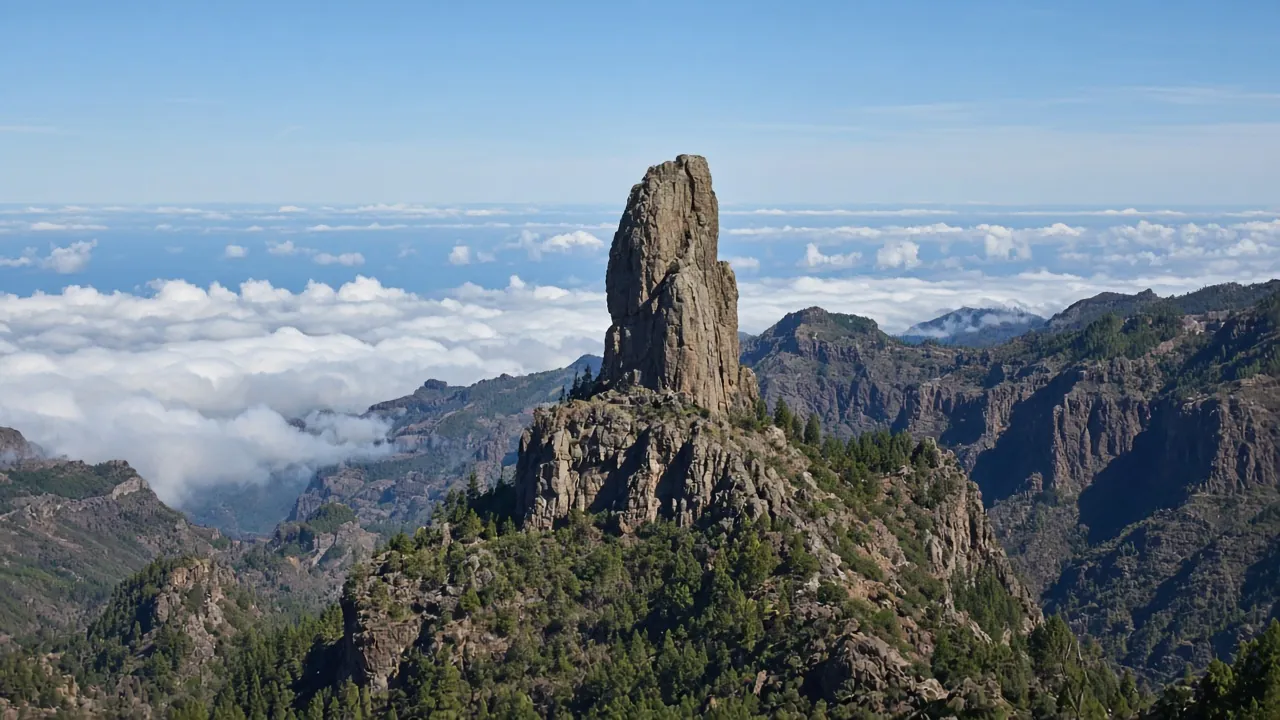
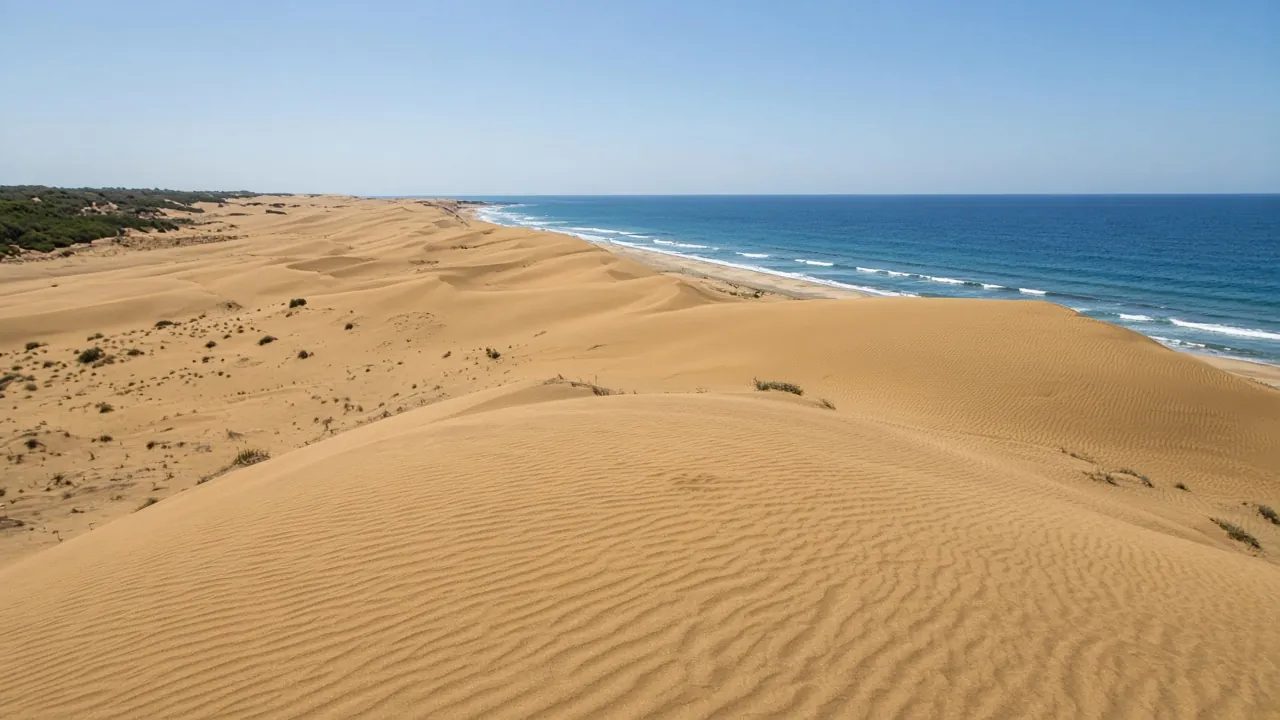
Ships berth at the Santa Catalina side of the harbour. The park, the shops around it and the walk toward Las Canteras can often begin on foot. Vegueta is farther along the same shore, a short bus or taxi ride rather than a long island drive. Castillo de la Luz, an older fort by the harbour, is a close landmark if you stay on this side of the city. This is not Santa Cruz de Tenerife, and it is not Los Cristianos, the resort harbour on Tenerife's south coast; both have their own pages. A first day can stay in Las Palmas without circling Gran Canaria. The island's interior, the dunes at Maspalomas or a drive into the mountains, will take a good part of a call and should be treated as a single outing, not as a string of short stops.
The light is bright and the trade wind is almost always present. In Vegueta the shade of the old streets is welcome by midday; at Las Canteras the water is the point. The Pérez Galdós house and a slow walk between Triana and Vegueta are close, civic ways of spending the hours between the quay and the beach.
Food is Canarian: wrinkled potatoes with mojo, fish, and the island's cheeses and wines. Spanish is the language of the streets; English is common around Santa Catalina and the beach, thinner in the older quarter if you leave the main visitor streets. The climate is mild year-round, and the sun is stronger than the breeze makes it feel.
Leave time for the walk or the ride back to Santa Catalina. A day that holds to the old quarter, the harbour and the beach, with a clear last return, will have seen the city that ships actually call at, without trying to collect the whole island on the same clock.
Port landmarks