Geelong, Australia
Ports
Home • Ports • Asia • Australia • Geelong
About Geelong
Geelong is a port city at the western end of Corio Bay in Victoria, once a wool and manufacturing centre, with a regenerated waterfront, a long curve of Eastern Beach and a compact grid above the shore. The National Wool Museum and the waterfront lawns and bathing pavilion are the easy first stops; the start of the Great Ocean Road lies further west and needs a planned drive. Cruise ships usually berth on Corio Bay, a short way from the waterfront and the centre, so you can walk ashore into town. A first day holds together if you stay in Geelong; the coastal road is a longer outing.
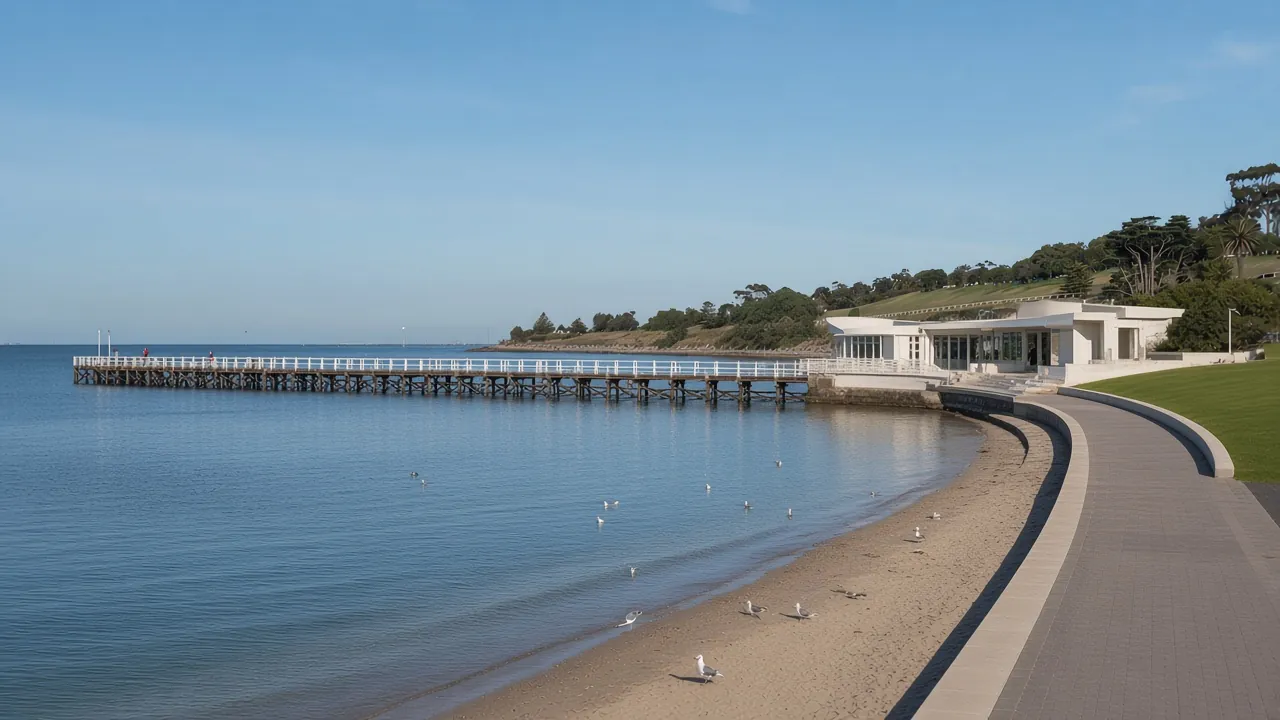
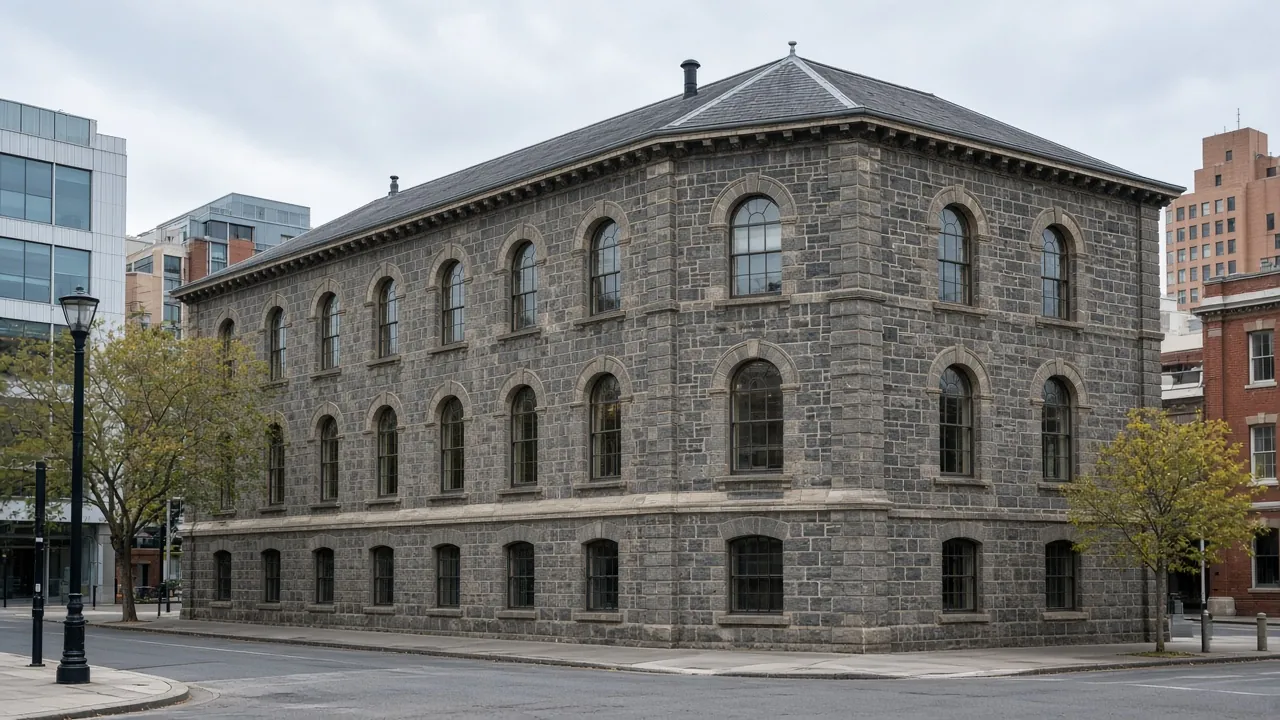
The waterfront is the city's front room: a promenade along Corio Bay, lawns, public art, and the long curve of Eastern Beach, with its historic bathing pavilion, diving boards and a period changing rotunda that still gives the shore a slightly festive, early-twentieth-century air. Behind it, the central grid climbs gently away from the bay, a mix of older civic buildings, later shopping streets and a town that has spent the last few decades remaking itself after the decline of car-making and heavy industry. The National Wool Museum, in a nineteenth-century bluestone store, is the indoor stop that best explains Geelong's older wealth: this was a wool port, and the western district hinterland still sits behind the city.
A first day can stay almost entirely on the waterfront and in the adjacent streets, with a swim or a paddle at Eastern Beach in warm weather and a café lunch looking at the bay. The city is large enough to have neighbourhoods and a university, but it is not a place of famous monumental lists; its pleasure is the bay, the scale, and a slightly slower Victorian provincial character an hour or so from Melbourne.
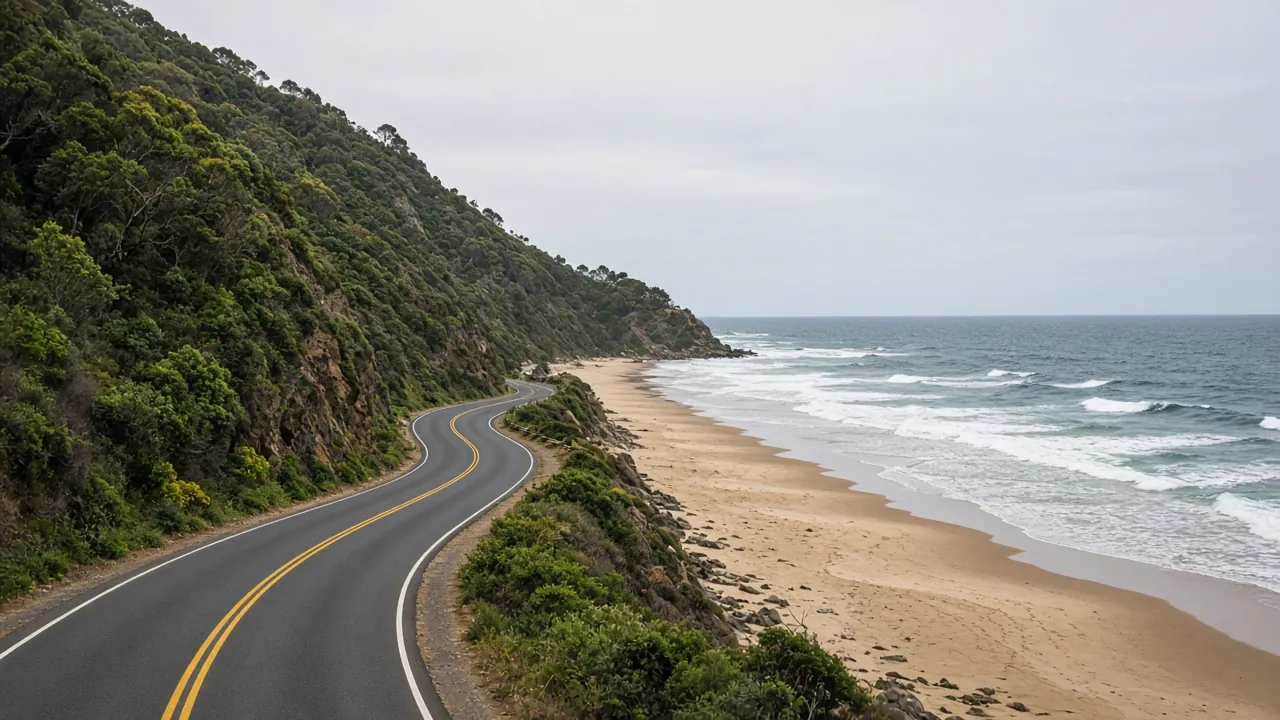
The Great Ocean Road begins further west, beyond the heads, and is a serious coastal drive rather than a short excursion. The You Yangs, a low granite range to the north, and the Bellarine Peninsula to the east are closer landscapes if you want a view beyond the promenade, but they still need a car or a tour. Food is good and informal, with a strong café culture and a regional produce scene shared with the rest of Victoria.
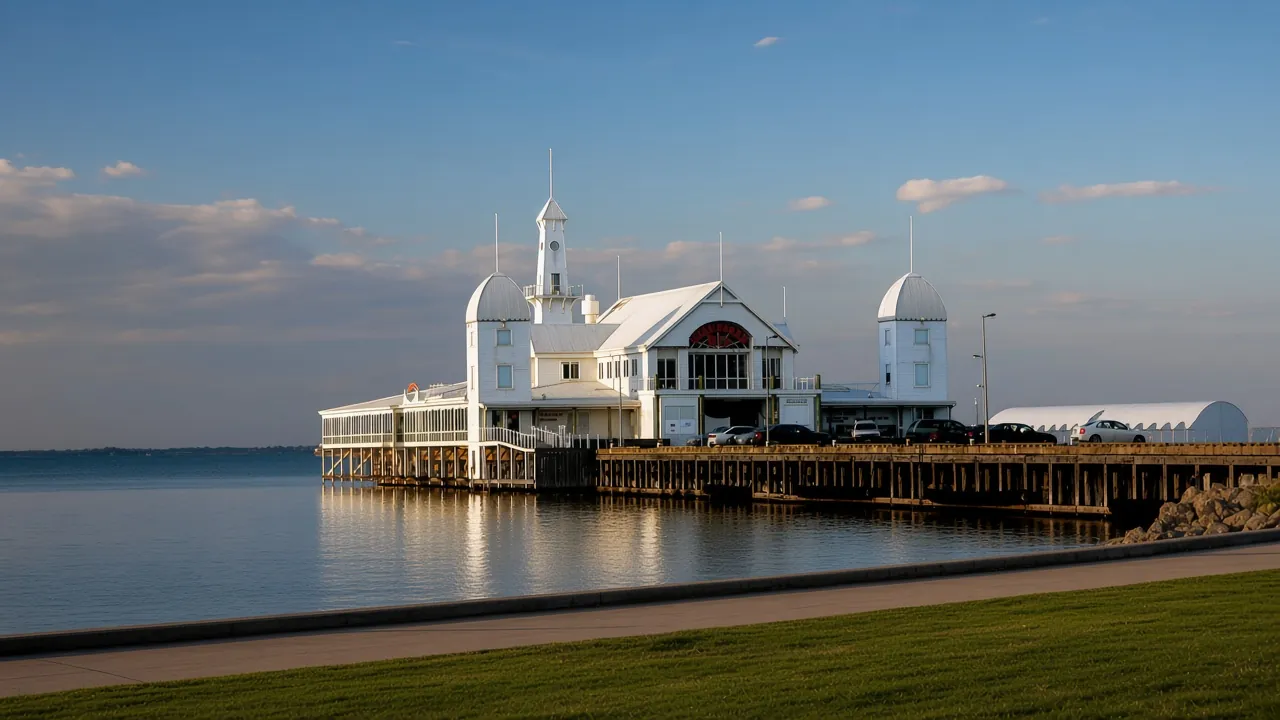
Ships usually berth on Corio Bay, close enough that the waterfront is a short walk rather than a transfer. Use that. Walk the shore, see the museum if you like a story with your port day, and eat in town. Melbourne is a separate city, a train ride away, and will swallow the hours if you try to add it. A first day that stays in Geelong will feel complete; a first day that chases the Ocean Road from a short call will mostly be spent in a vehicle. Cunningham Pier and the waterfront sculptures give the bay front a civic finish, and the older streets just behind it still show the nineteenth-century wealth of a wool port, in bluestone and rendered facades. If the day is warm, Eastern Beach is the place to stay, with its period bathing buildings and a safe, popular swimming shore. Melbourne is only an hour or so by train from the city's station, but that is a different plan, and it will replace rather than complete a visit to Geelong. Stay by the bay unless you already intended to spend the call in the capital.
Port landmarks
Shore Excursions
- Melbourne Street Eats – Private Day Tour – 7 h
- Yarra Valley Wine Tasting Shore Excursion from Melbourne Cruise Port – 6 h
- Phillip Island Penguins & Koalas - Penguins Plus Viewing – 10 h
- Peninsula Hot Springs Spa Entry & Transfer Bus from Melbourne – 6 h 30 min
- Morning Yarra Valley Half-Day Wine Tour from Melbourne – 6 h
- Melbourne Laneways, Bites & Brews Shore Excursion from Cruise Port – 5 h
- Private Bites & Sights (with Melbourne Skydeck) – 3 h
- Multicultural Markets Guided Tour - Private and Join-In Options – 3 h
- Mornington Peninsula Local – Private Day Tour – 8 h
- Private Melbourne: A Foodie’s Guide to Footscray – 2 h 30 min
- Shore Excursion: Melbourne and Moonlit Sanctuary – 8 h
- Yarra Valley Wine Day Tour – 10 h
- Phillip Island Penguin Experience – Private Day Tour – 8 h
- Melbourne Foodie Culture Walking Tour – 4 h
- Boroughs of Melbourne – Private Half Day Tour – 4 h
- Craft Beer Lovers' Guide to Melbourne (Private and Shared Options) – 3 h
- Multicultural Markets - Melbourne Tour – 2 h 30 min
- Private Tour: Personal Travel Photographer Tour in Melbourne – 2 h
- Booze Makes History Better Walking Tour - Small Group & Private Options – 3 h
- Yarra Valley Wildlife & Wine Day Tour – 10 h
- Private Melbourne: Coffee, Culture & History of Collingwood – 3 h
- Melbourne Flexi Pass: Choose 3 Top Attractions Over 5 Days – Flexible · valid 5 days
- Lake Mountain Snow & Waterfalls Tour – 10 h
- Phillip Island Penguins & Koalas - Penguins General Viewing – 10 h
- Half-Day Melbourne Food & Laneways Tour with Tastings & Rooftop Bar – 4 h