Gdynia, Poland
Ports
Home • Ports • Europe • Poland • Gdynia
About Gdynia
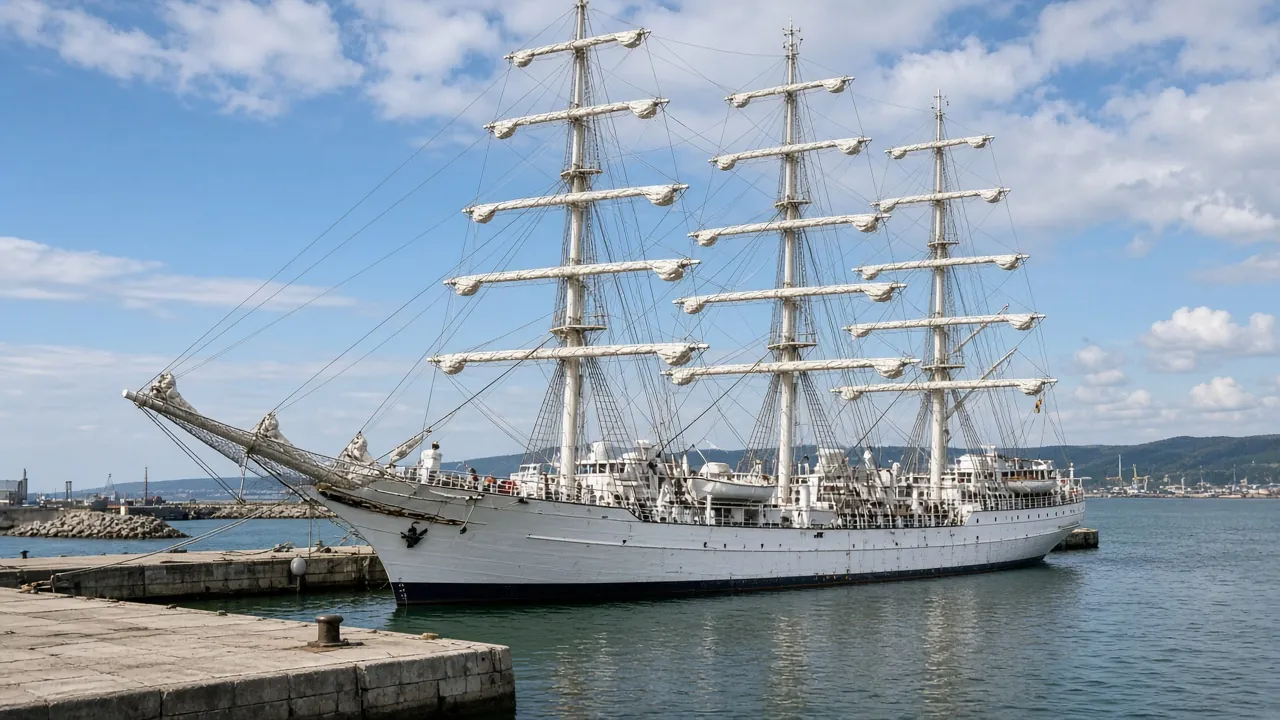
Gdynia is a twentieth-century port city on the Bay of Gdańsk, built between the wars when Poland needed a modern harbour of its own, with a wide pier, a naval museum and the tall ship Dar Pomorza on the water. The passenger terminal sits close to Kościuszko Square, and the centre is often a short walk or a brief tram ride from the gate. The Emigration Museum occupies the old harbour sheds beside the landing, a good first hour for the city's own story. Gdańsk, with its rebuilt old town, is twenty to thirty minutes away on the SKM railway, a different city rather than a suburb of this one. Sopot, the old seaside resort between them, is a stop on the same line.
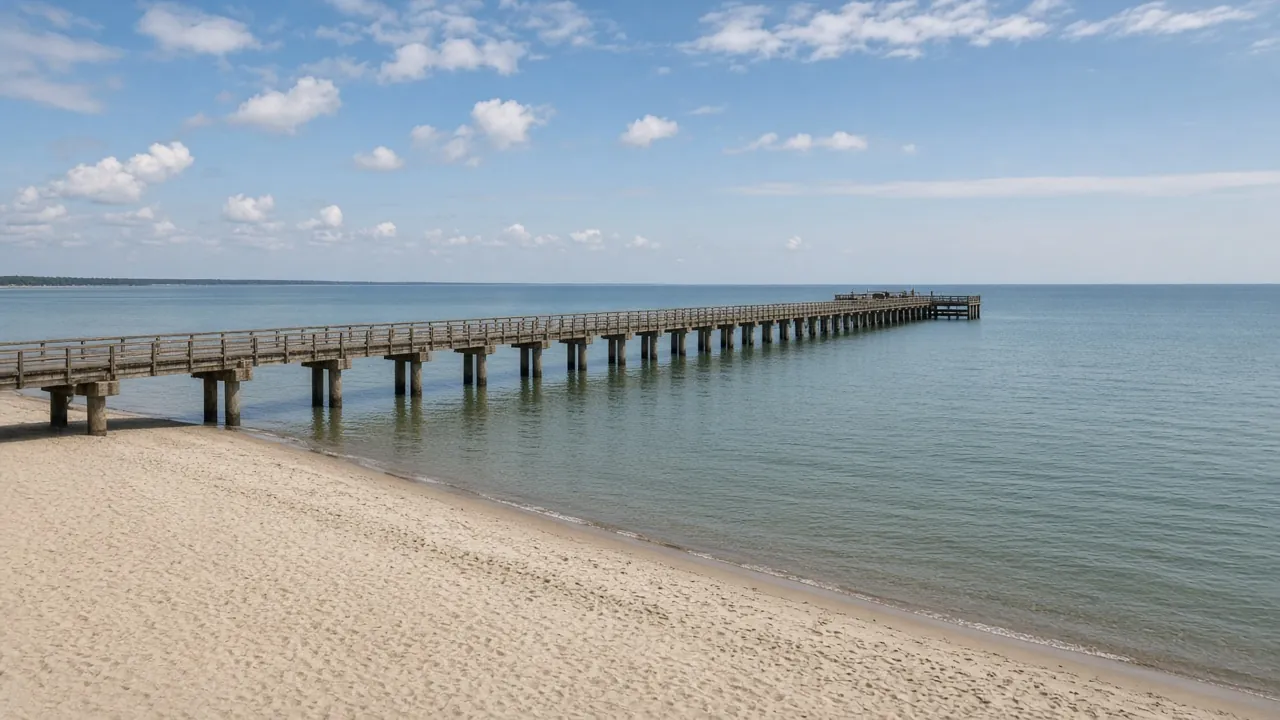
Gdynia is a twentieth-century port city on the Bay of Gdańsk, built between the wars when the new Polish state needed a modern harbour of its own. It has a different face from Gdańsk: a wide pier, modernist and later buildings, a naval museum, and the tall ship Dar Pomorza moored as a museum on the water. Kościuszko Square opens to the sea, and the passenger terminal sits close enough that the centre is often a short walk or a brief tram ride from the gate.
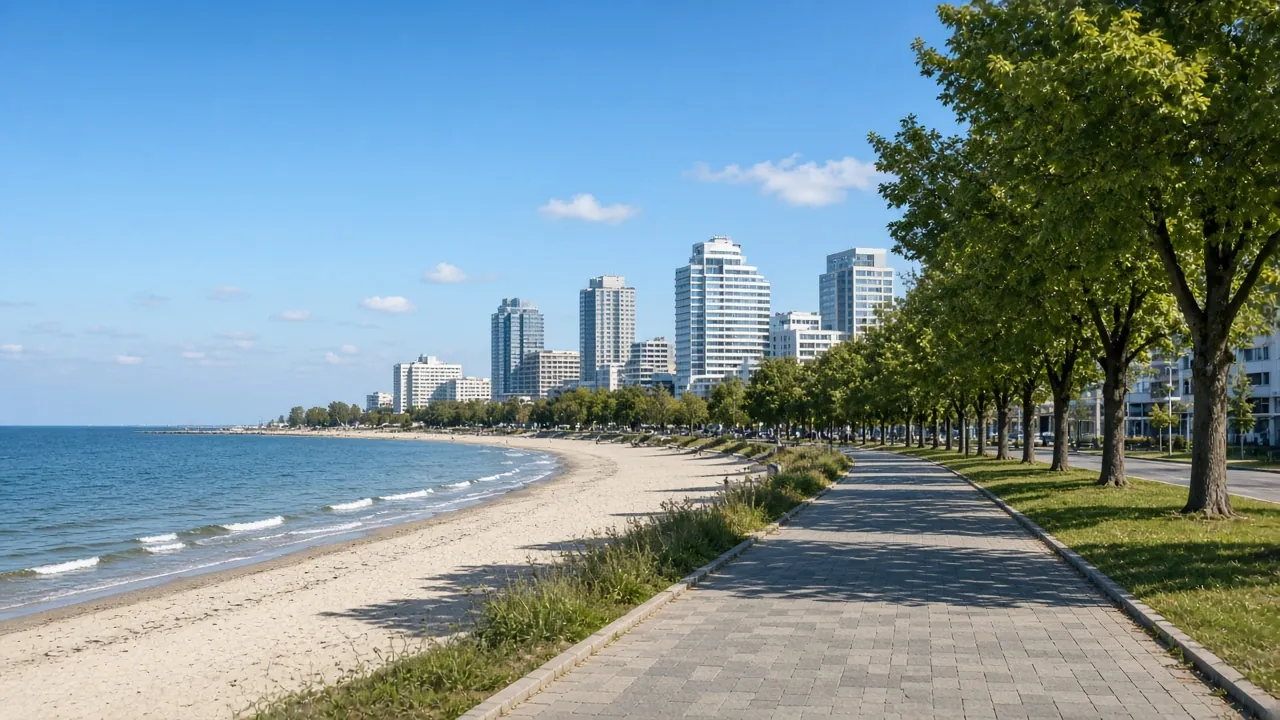
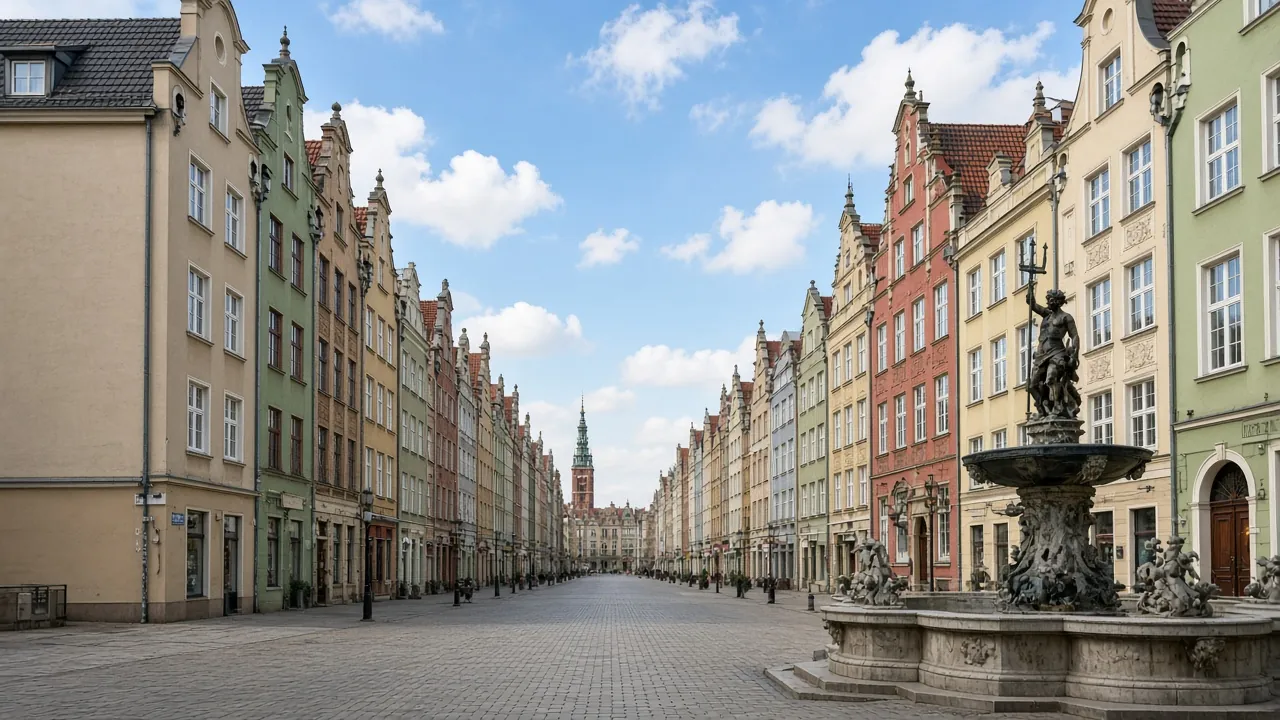
The Emigration Museum, in the old harbour sheds beside the landing, is one of the best first hours you can spend here if you want the city's own story: the port as a door through which millions of people left Europe. The beach and the pier will take the rest of a gentle morning. Gdańsk, with its rebuilt old town, is twenty to thirty minutes away on the SKM urban railway, a different city rather than a suburb of this one, and it will use a good slice of the day if you go. Sopot, the old seaside resort between them, is a stop on the same line and a lighter outing.
A harbour day in Gdynia can stay happily in Gdynia. The centre is manageable, the water is close, and the museums sit on the same harbour. If you do go to Gdańsk, keep a close watch on the clock and on the last train or taxi back to this terminal, not to a quay in the neighbouring city. The two ports are not a single walkable waterfront.
The climate is Baltic, with a wind that can be sharp off the bay. Food is Polish, with a coastal, slightly more modern café and restaurant scene than visitors sometimes expect from a working port. Polish is the language of the city; English is common around the terminal and the pier. The last return through the passenger gate belongs in the same plan as the morning's ride, even when the walk from the square looks short.
This page is Gdynia. Gdańsk has its own harbour page, and the two calls should be treated as two cities. A day that holds to the pier, the emigration sheds and the square already has the later Polish harbour in view, and that is a story worth not rushing past on the way to the older neighbour.
The pier and the square will still be there if you stay in town, and the walk back is short only when you have left the time for it. A last coffee on the water, with the tall ship in view, is a better end to the call than a late run from Gdańsk through a crowded train. The harbour here was built to be used, and it is still used; treat the terminal gate as a real appointment and the day will hold its shape.
Port landmarks
Shore Excursions
- Gdansk Old Town & Stuffhof Panoramic & Walking (Private Tour) – 7 h
- Gdansk Stuffhof & Malbork Castle (Private Tour) – 7 h
- Gdansk Old Town & Oliwa Cathedral (Private Tour) – 5 h
- Gdansk & Malbork Castle Panoramic & Walking (Private Tour) – 7 h
- Group Shore Excursion - Gdansk and Oliwa Cathedral from Gdynia – 7 h
- Private Gdansk and Oliwa Cathedral Shore Excursion from Gdynia – 7 h