Gdańsk, Poland
Ports
Home • Ports • Europe • Poland • Gdańsk
About Gdańsk
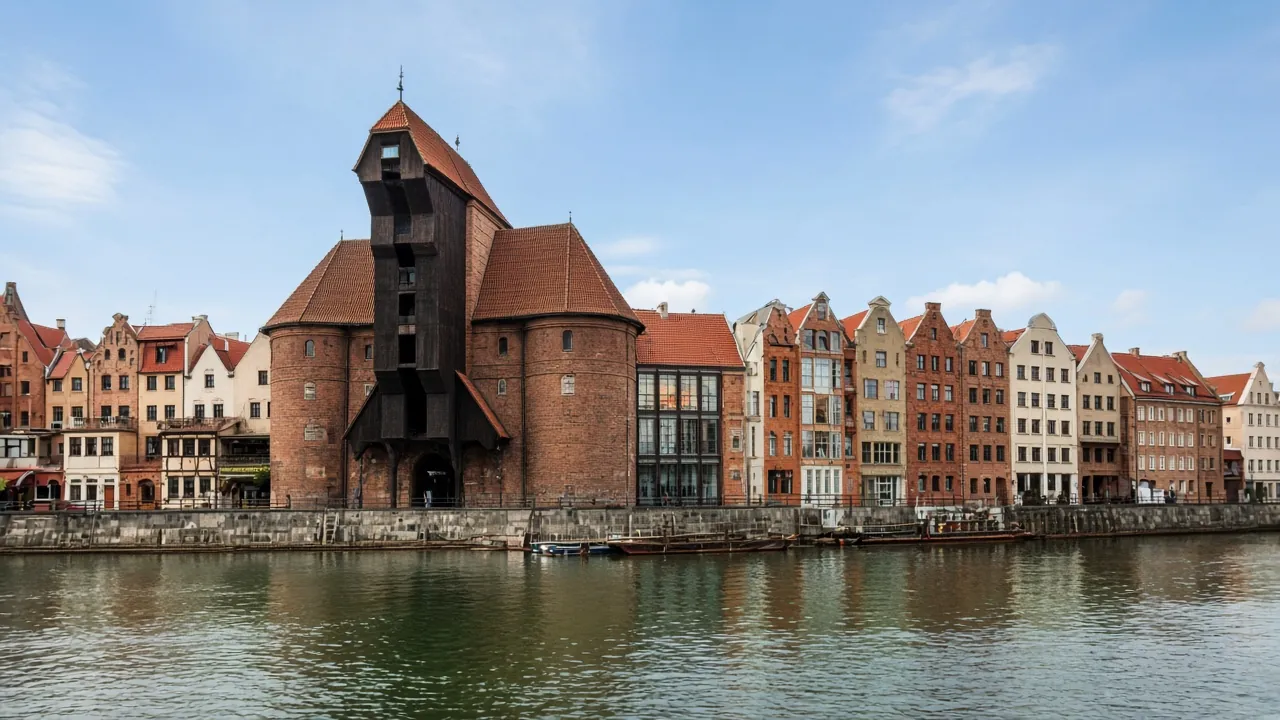
Gdańsk is a Hanseatic city on the Motława, rebuilt after 1945 with a long market, a famous medieval crane, and a waterfront that still feels like the civic heart of the Polish coast. Cruise ships often berth in the working port, towards Westerplatte or another deep-water quay, rather than beside the old crane; the historic centre is then a tram or a taxi ride. Westerplatte itself, where the first shots of the war in Poland were fired, is close to some of those outer berths. Gdynia, the neighbouring port city in the Tri-City, has its own harbour page and is a separate call. Keep the last ride back to the ship in the same plan as the morning into town.
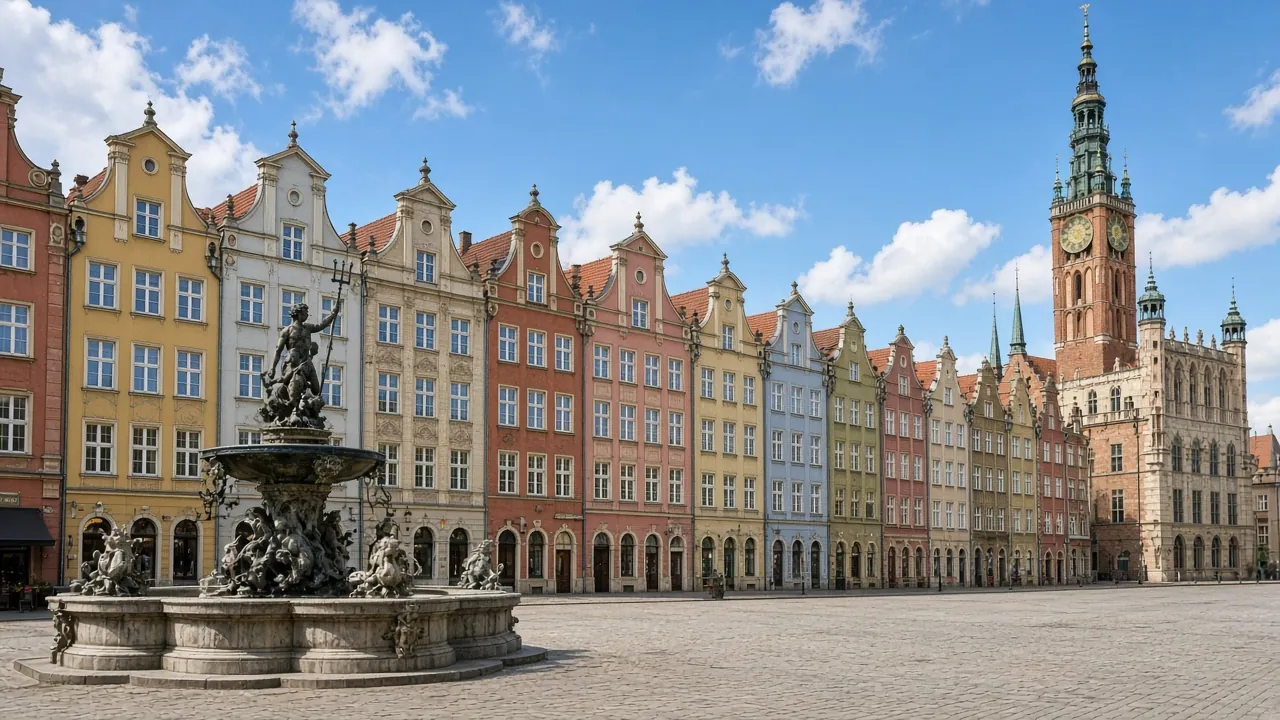
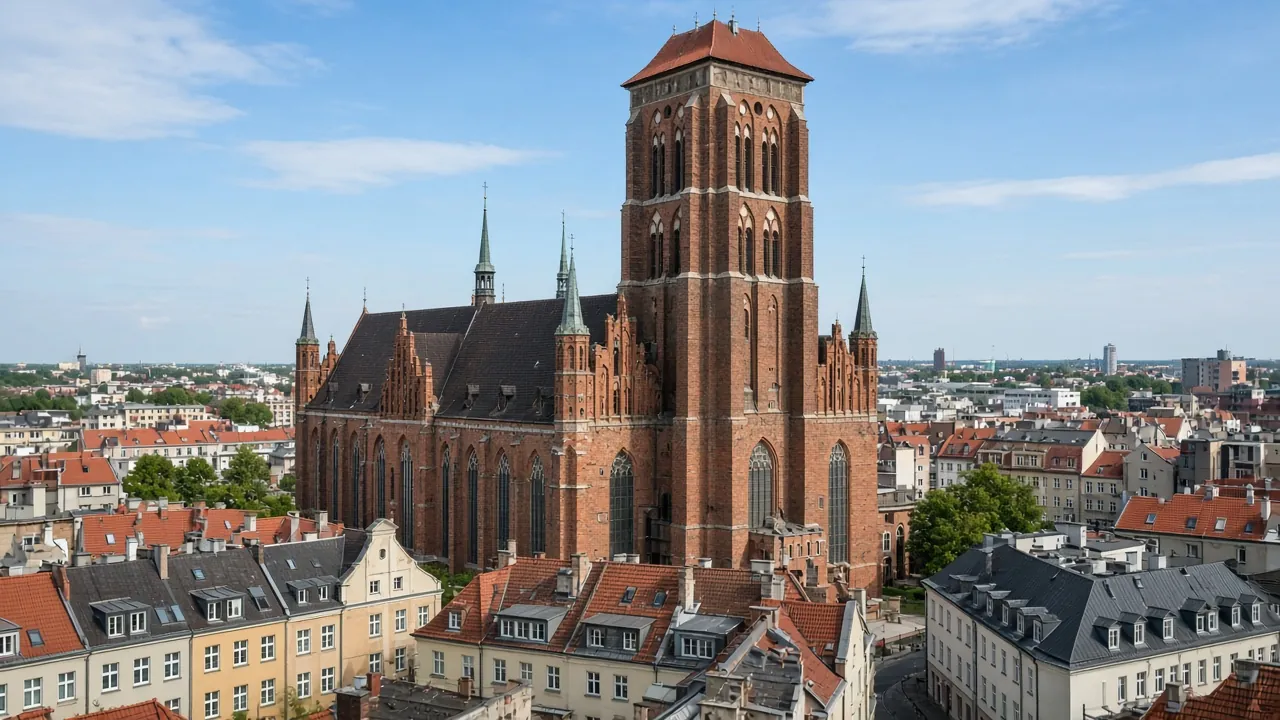
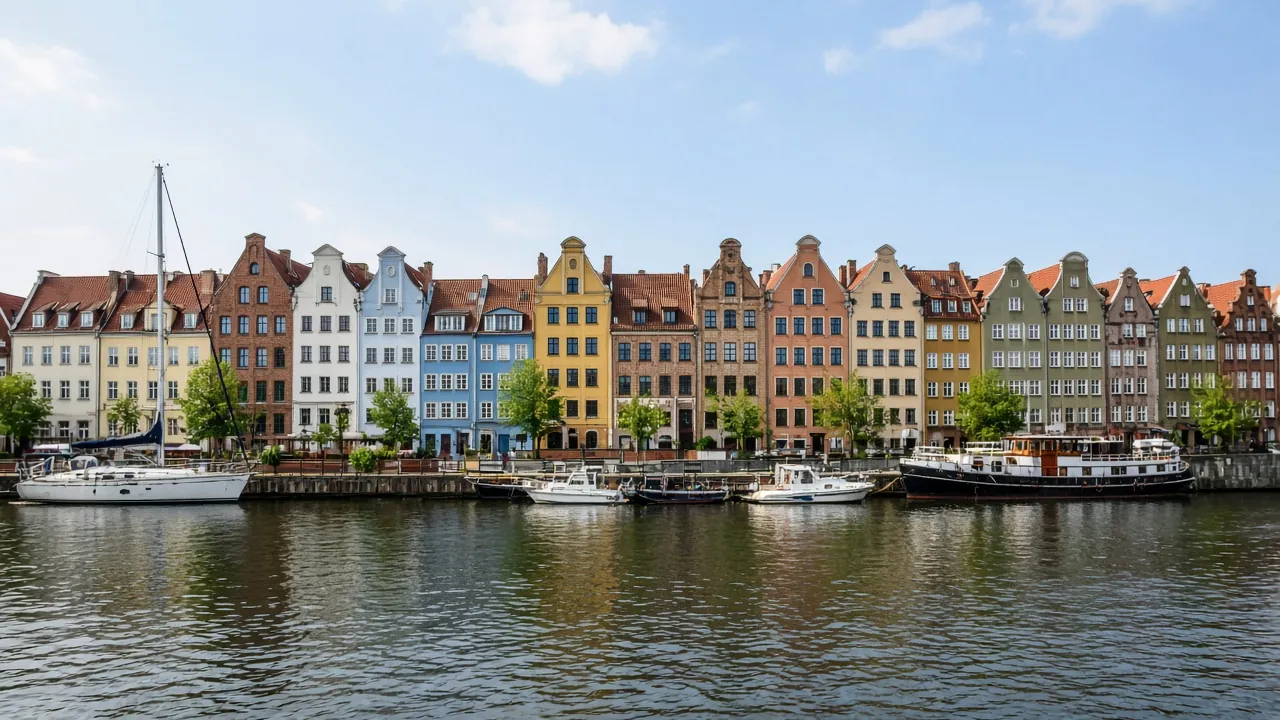
Gdańsk is a Hanseatic city on the Motława, the civic heart of the Polish coast, rebuilt after 1945 with a long market, richly faced burgher houses, and the great medieval crane that still stands on the water. The old town is a pleasure to walk: Dlugi Targ, the waterfront, a church interior or two, and the sidestreets that run down to the river. It feels complete as a city even before you add the later, heavier history that sits a little outside the pretty core.
Cruise ships often berth in the working port, towards Westerplatte or another deep-water quay, rather than beside the old crane. The historic centre is then a tram or a taxi ride, and the last ride back to the ship belongs in the same plan as the morning in. Westerplatte itself, the peninsula where the first shots of the war in Poland were fired in 1939, is close to some of those outer berths and is a short, sober outing if your ship is already there. The European Solidarity Centre, in the shipyard district, is the other essential later chapter, a museum of the strikes that helped to end communist rule; it is close to the centre and can fill a serious hour or two.
Gdynia, the neighbouring twentieth-century port city, has its own harbour page and is a separate call, twenty to thirty minutes away on the SKM urban railway. Sopot, the old seaside resort between them, is a stop on the same line. The Tri-City is easy to overreach in a single afternoon; a day that stays with Gdańsk itself — the rebuilt core, and perhaps Westerplatte or the shipyard — will already have the place in depth.
The climate is Baltic: it can be bright and mild in summer, and sharp and windy on the water at any season. Food is Polish and hearty, with a good amber-of-the-coast tradition of fish, pierogi and a serious café culture in the old streets. Polish is the language of the city; English is common in the visitor centre and thinner in the tram. The rebuilt facades are beautiful and, in their way, honest about a city that had to begin again.
Leave a margin for the transfer back to the deep-water berth. The Motława will still be there if you stay in town, and the ship will not wait at the crane. This page is Gdańsk, not Gdynia, and the two cities are neighbours rather than substitutes.
Port landmarks
Shore Excursions
- Gdansk Old Town & Oliwa Cathedral (Private Tour) – 5 h
- Group Shore Excursion - Gdansk and Oliwa Cathedral from Gdynia – 7 h
- Private Gdansk and Oliwa Cathedral Shore Excursion from Gdynia – 7 h
- Gdansk & Malbork Castle Panoramic & Walking (Private Tour) – 7 h
- Gdansk Old Town & Stuffhof Panoramic & Walking (Private Tour) – 7 h
- Gdansk Stuffhof & Malbork Castle (Private Tour) – 7 h