Freeport, Bahamas
Ports
Home • Ports • Caribbean • Bahamas • Freeport
About Freeport
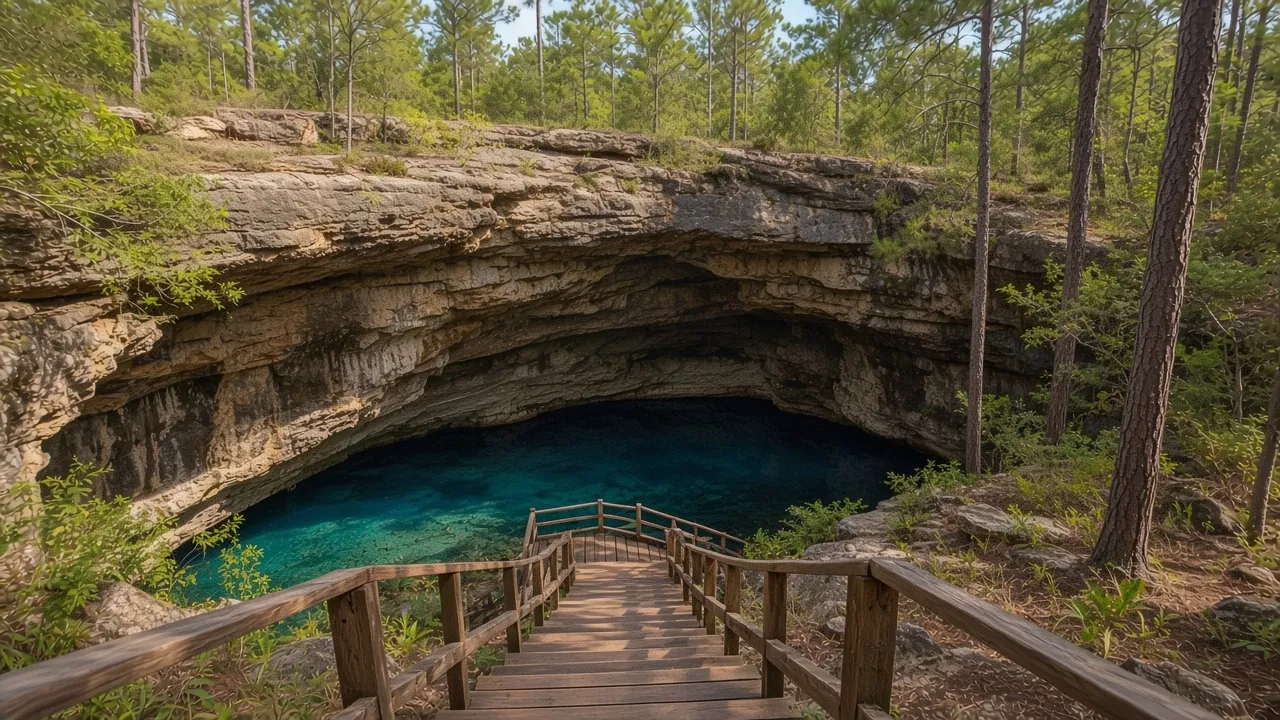
Freeport is a mid-twentieth-century city and free-trade zone on Grand Bahama, quite different from the older colonial capital at Nassau. It is a planned commercial centre, with a later resort shore at Lucaya and, further east, Lucayan National Park, where limestone caves open toward a quiet beach at Gold Rock. The island is low and pine-covered, and most of a port day is spent at a beach, in the Lucaya area, or in the park, rather than in a historic core. Cruise ships use Freeport Harbour, which is not a comfortable walk from the main beaches; a taxi or a ship's shuttle is the usual way onward.
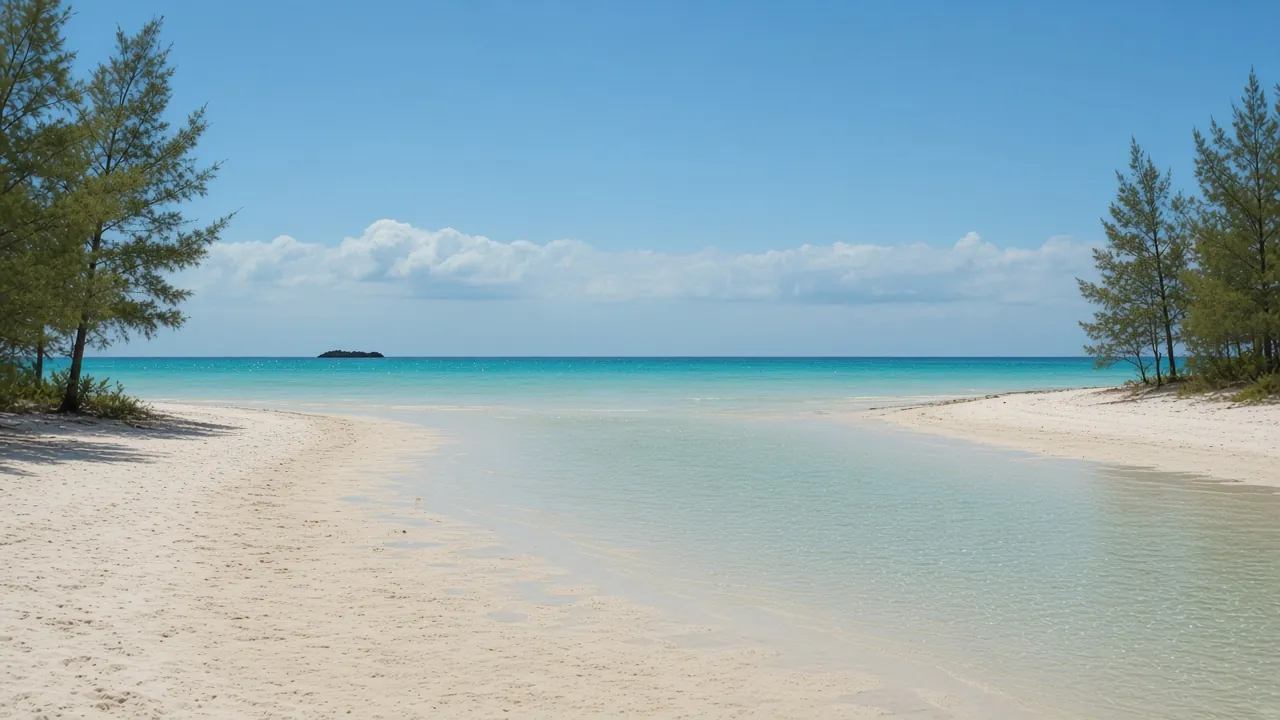
Freeport is a mid-century invention, laid out from the 1950s as a free-trade port and city on Grand Bahama, and it still feels planned rather than grown: broad roads, commercial zones, and a resort strip that later gathered at Lucaya, along a pale beach a few miles from the harbour. There is no deep colonial core of the Nassau kind. The interest of the island is the shore, the pine forest, and, east of the urban area, Lucayan National Park, where boardwalks lead through a limestone cave system and a short trail reaches Gold Rock Beach, a quiet, photogenic curve of sand often used as an image of the island.
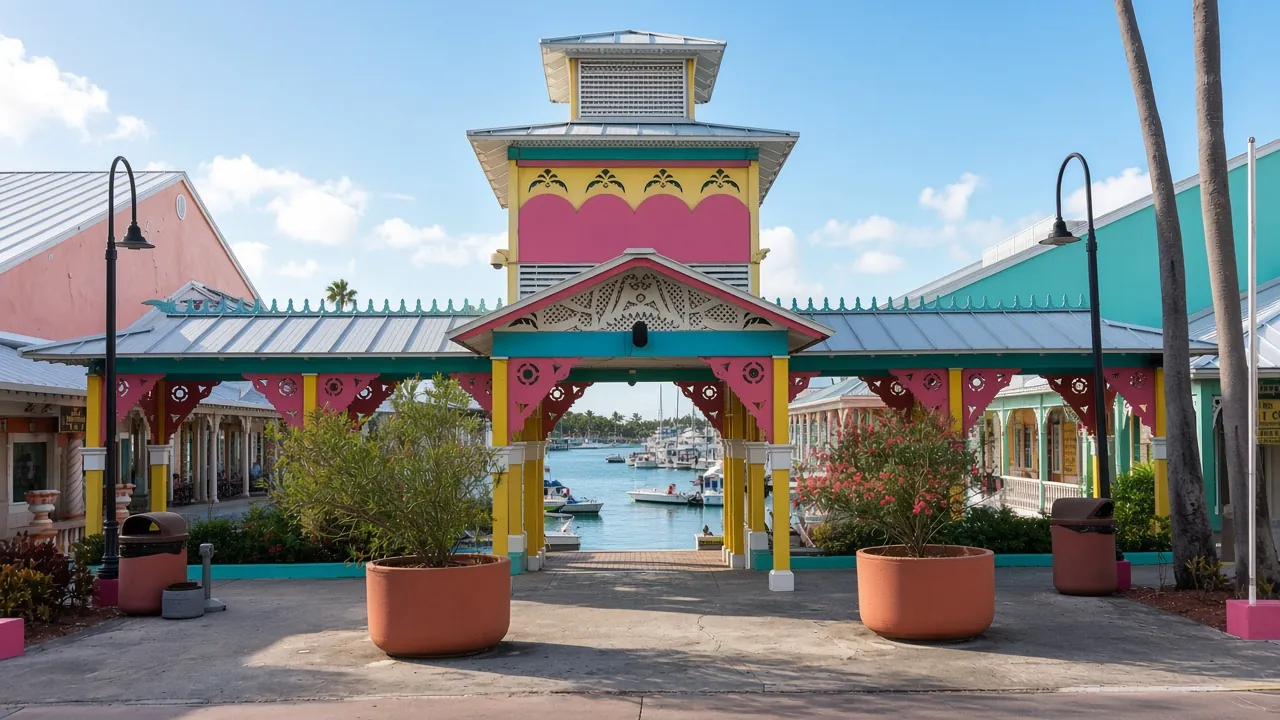
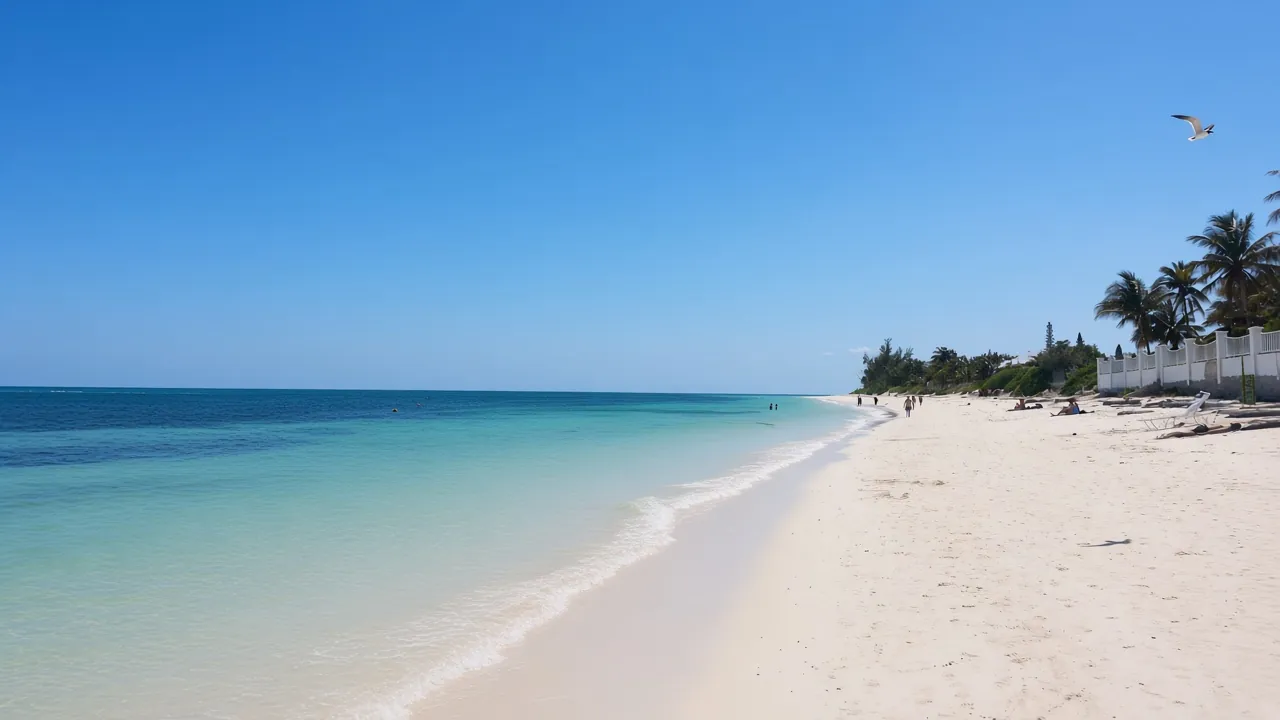
Lucaya, with its beach, a later marketplace and hotels, is the usual place to swim and to find a casual meal if you are not going to the park. The water is clear, the island is flat, and the pace is slower than Nassau's harbourfront. A port day that tries to imitate a historic-city walk will feel thin; a port day that chooses a beach or the park will make more sense of why the ship has stopped here. The International Bazaar, an older tourist shopping complex in Freeport, has faded from its heyday and is no longer a reason to structure the day.
Food is Bahamian and resort-casual: conch, grilled fish, simple beach cooking. Eat near wherever you have chosen to spend the hours, rather than planning a gastronomic circuit.
Freeport Harbour is a commercial port, not a door onto a promenade. The main beaches and Lucaya are a taxi or shuttle ride away, and the national park is a longer drive again, worth it if you have the time and a reliable return, but not a last-minute idea. A practical plan is to decide before you leave the terminal: Lucaya for a beach day, or the park for caves and a quieter shore. Build the taxi time both ways into the clock, take sun protection, and do not assume you can walk between the ship and the sand. Grand Bahama is large and low; the distances are real, even when the map looks simple. Port Lucaya Marketplace and the adjacent beach are the usual, practical centre of a visitor day, with shops, casual restaurants and the sand a short walk from one another once you have made the ride from the harbour. The pine forest and the long, straight roads of the island can make distances feel larger than they are on a small-scale map, which is another reason to choose one destination and stay with it rather than hopping.
Port landmarks
Shore Excursions
- Paddle Boarding – 2 h 30 min
- Beach Goers package – 3 h
- All Inclusive Shared Adventure – 2 h
- Kayaking Adventure – 2 h 30 min
- Snorkeling Adventure – 2 h