Fethiye, Turkey
Ports
Home • Ports • Asia • Turkey • Fethiye
About Fethiye
Fethiye lies at the head of a wide Lycian gulf, a harbour town with rock tombs in the cliff above the bazaar and a later marina along the water. Cruise ships may berth in the gulf or tender closer to town, after which the market, the harbour and the tombs are a short walk or a brief ride. Ölüdeniz and the ghost village of Kayaköy are outings of their own, and a twelve-island boat trip will take most of a day. This is Fethiye, not Marmaris. Leave time for the return to the actual landing, especially if you have gone down the coast.
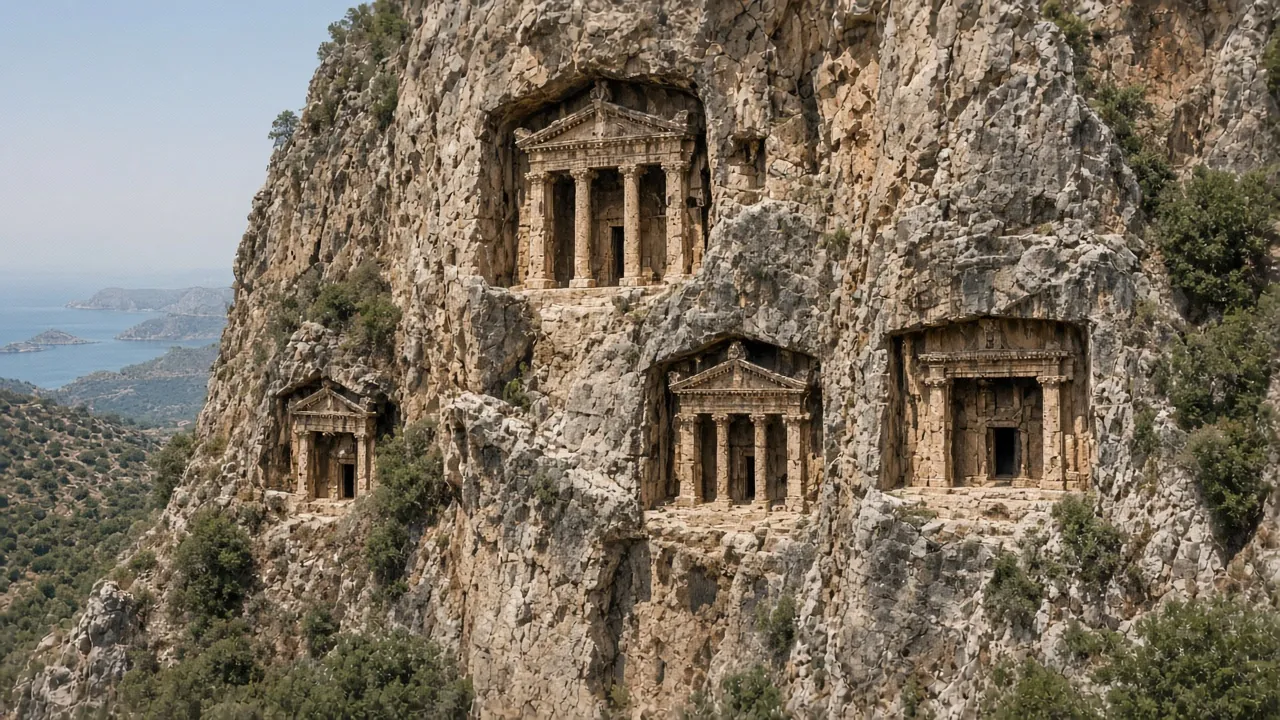
Fethiye lies at the head of a wide Lycian gulf, a harbour town with rock tombs cut into the cliff above the bazaar and a later marina along the water. The tombs, including the great Temple Tomb, are the first landmark, and they can be seen from the harbour itself. Below them, the market, the old streets and the working waterfront make a compact town, with a later promenade and a basin of still, bright water. The gulf is dotted with islands, and the Lycian hinterland of Kayaköy and Ölüdeniz lies a short way south.
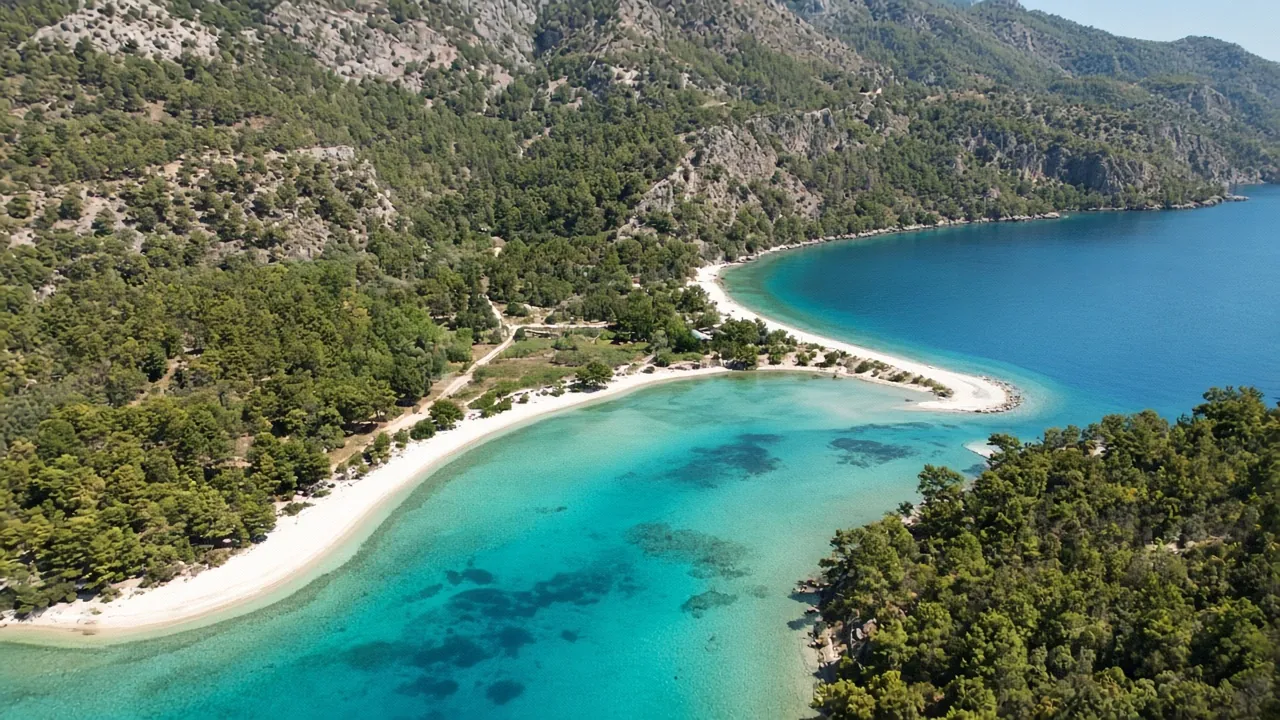
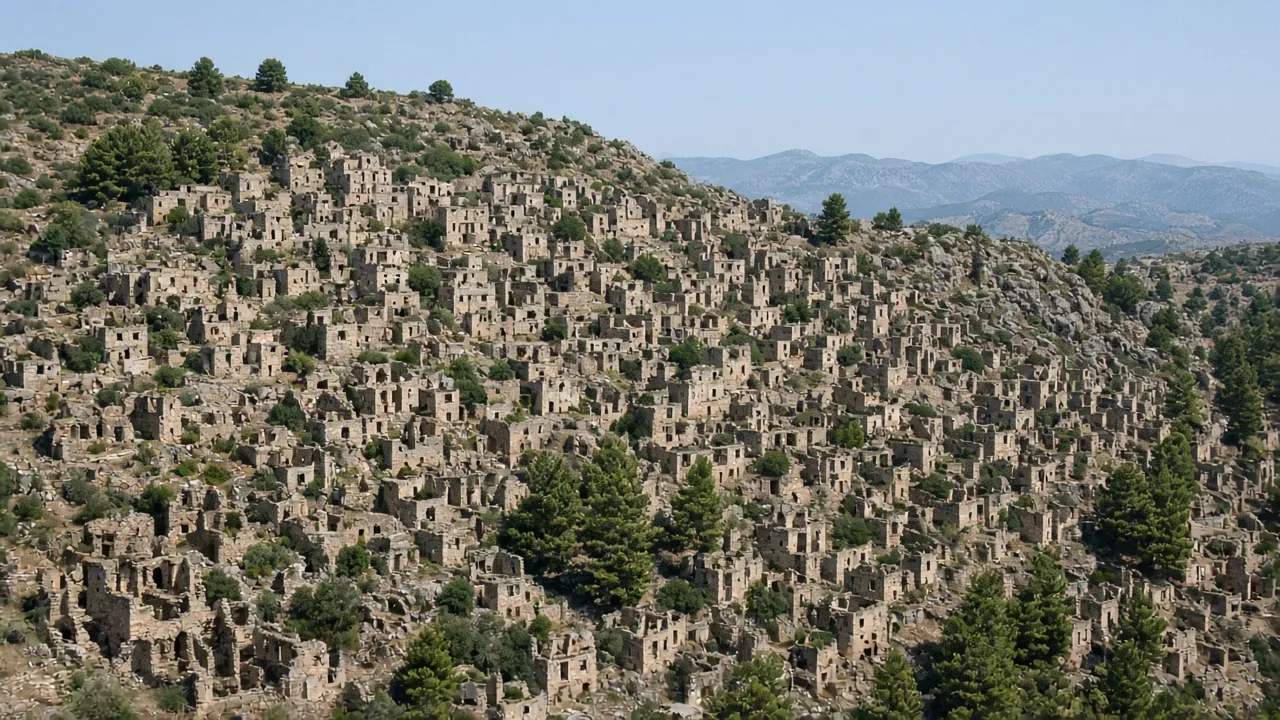
Cruise ships may berth in the gulf or tender closer to town, after which the market, the harbour and the tombs are a short walk or a brief ride. This is Fethiye, not Marmaris, which is a different harbour farther west. Ölüdeniz, the famous lagoon and beach, and the ghost village of Kayaköy, abandoned in the twentieth-century population exchange, are outings of their own, each a ride of around half an hour, and either one will take a good part of a call. A twelve-island boat trip will take most of a day, and only when the last return to the actual landing is certain.
A first day can stay with the tombs, the market and the harbour, with perhaps Kayaköy or Ölüdeniz if the hours are open, without trying to collect the whole gulf. The heat in summer is serious; the shade of the market and an early start for the cliff or the lagoon are part of the plan. The water is usually calm inside the gulf, which is why the harbour is here.
Food is Turkish and of a Lycian harbour: fish, the market produce, and later cooking along the promenade. Turkish is the language of the streets; English is widely used around the marina and the main visitor streets, more thinly a street or two back. The call to prayer and the harbour noise are both part of the afternoon.
The Lycian Way and the hill walks behind the town are longer, slower hours and should not be added to a lagoon visit on the same clock. The bazaar, still a working market as well as a visitor street, is a close, useful first hour after you leave the landing. Leave time for the return to the actual landing, especially if you have gone down the coast. A day that holds to Fethiye, with perhaps one nearby outing and a clear last ride or tender, will have seen the town under the tombs, without trying to add Marmaris on the same clock.
Port landmarks
Shore Excursions
- Fethiye Scuba Diving - Two Dives With Professional Instructor – 7 h
- Fethiye Saklıkent Gorge Tour with Open Buffet Lunch – 10 h
- Fethiye Adventures ATV Quad Bike Safari – 2 h
- Full-Day River Rafting Tour In Fethiye With Transfer & Lunch – 7 h
- Fethiye Dalyan Tour River Cruise and Mud Bath – 10 h
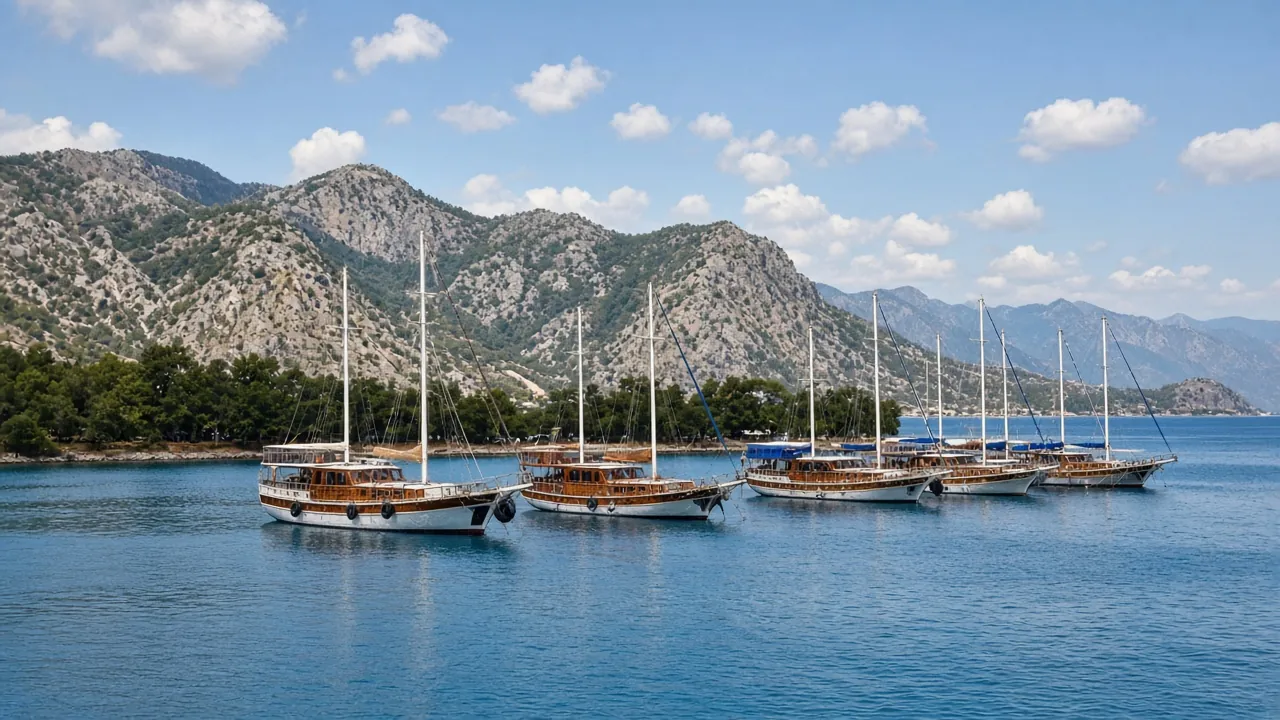
- 12 Islands Boat Tour from Fethiye with Grilled Lunch – 7 h 30 min