Falmouth, England
Ports
Home • Ports • Europe • England • Falmouth
About Falmouth
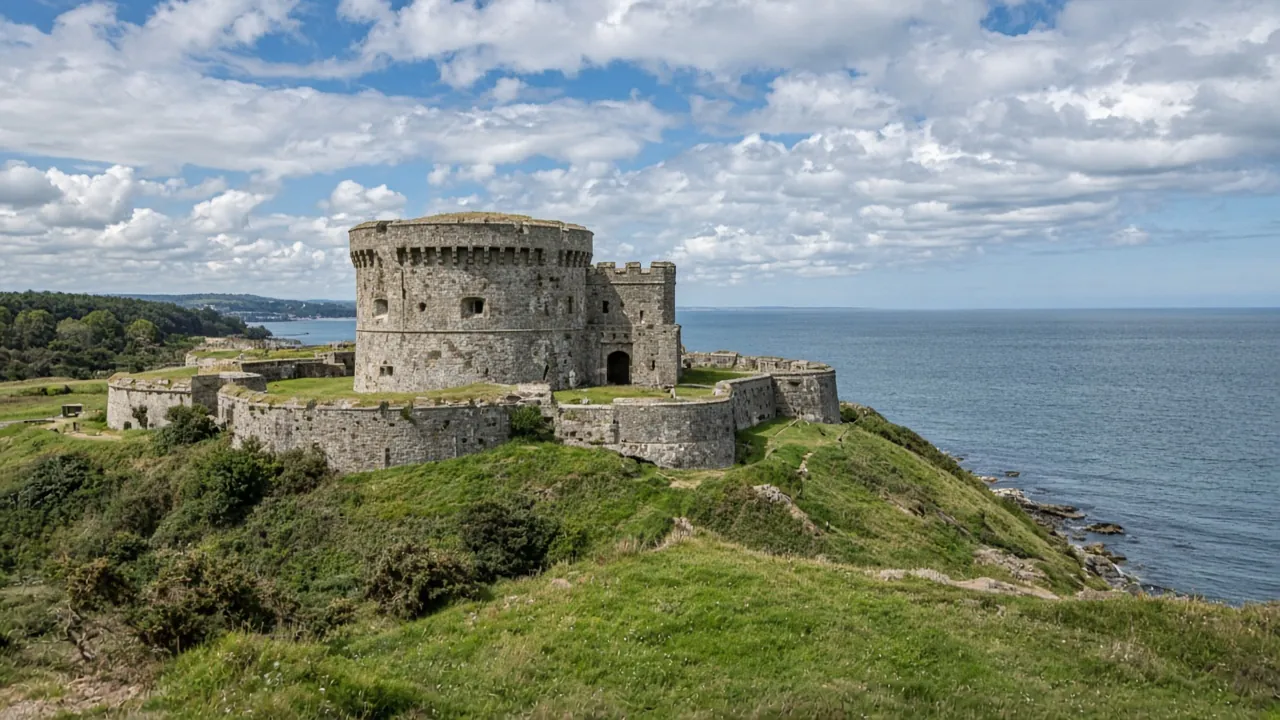
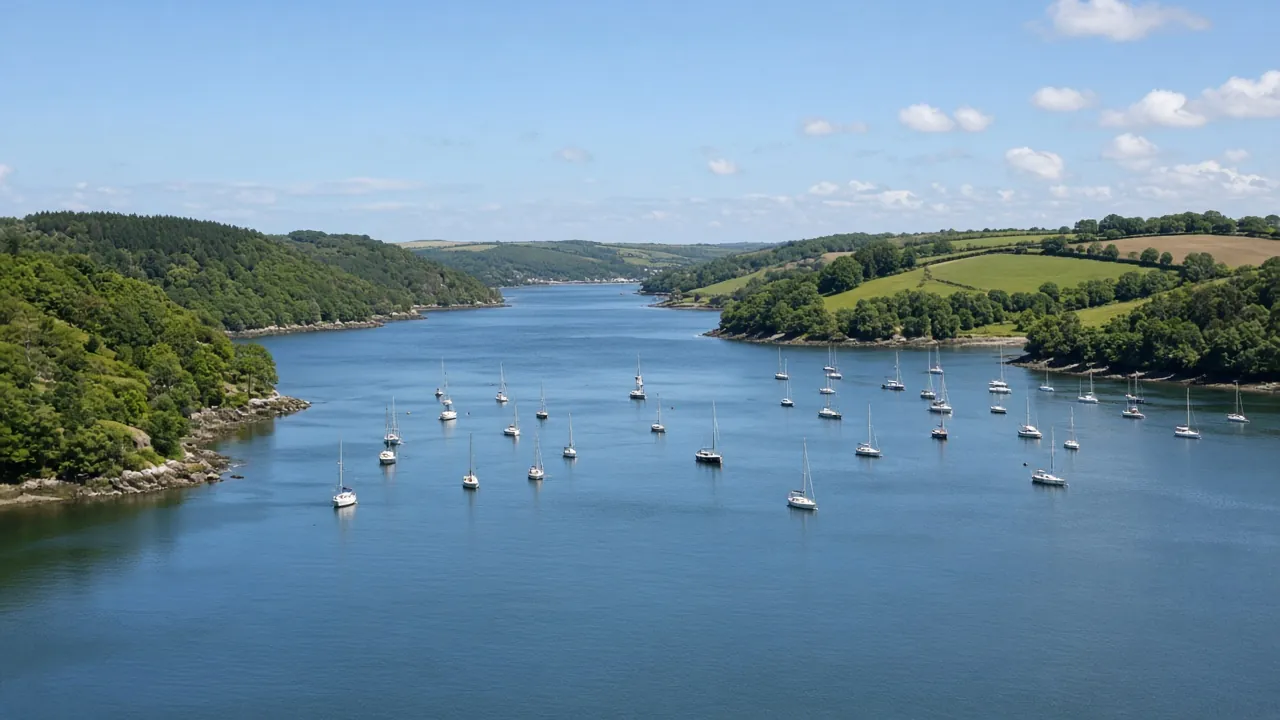
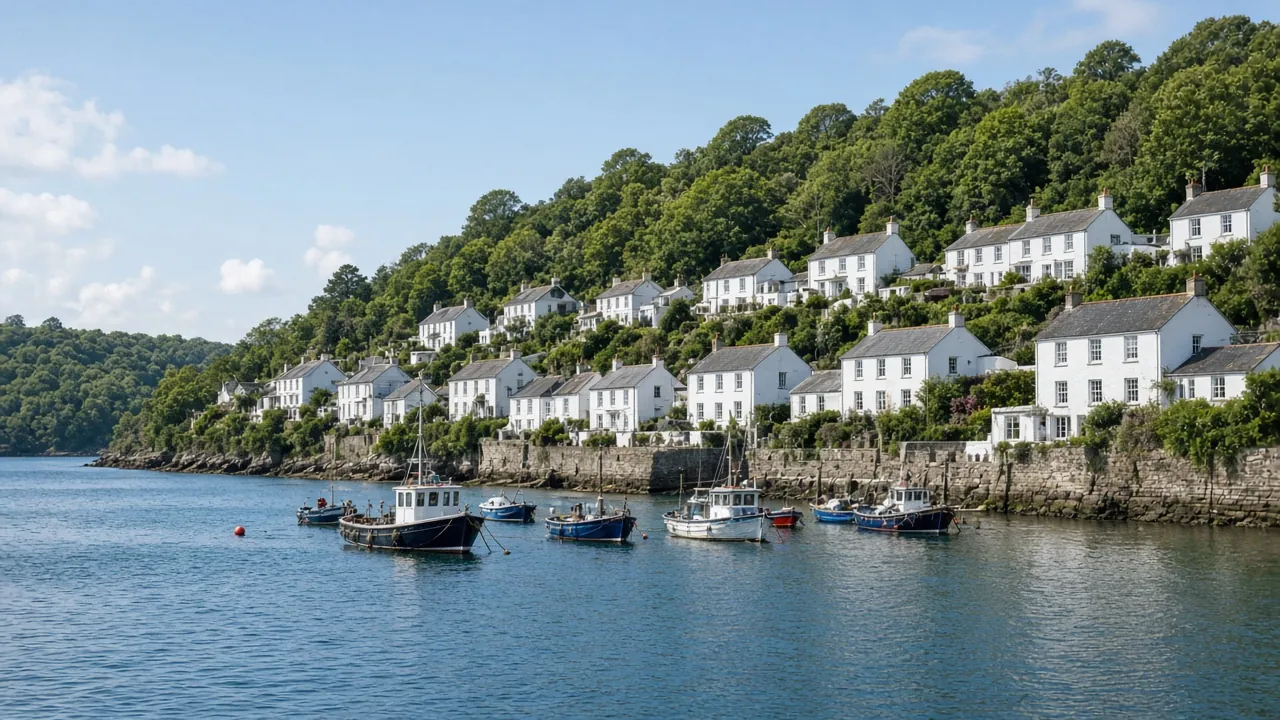
Falmouth stands on Carrick Roads, one of the world's deepest natural harbours, on the south coast of Cornwall. Ships berth in a town that grew with packet ships and later docks, under the Tudor coastal fortress of Pendennis, with St Mawes Castle on the opposite shore. This is Falmouth in England, not the harbour of the same name in Antigua. The town, the water and a short ferry or a nearby garden are the heart of a first visit; Truro and the farther Cornish coast are trip that needs its own hourss, not a list to finish after lunch.
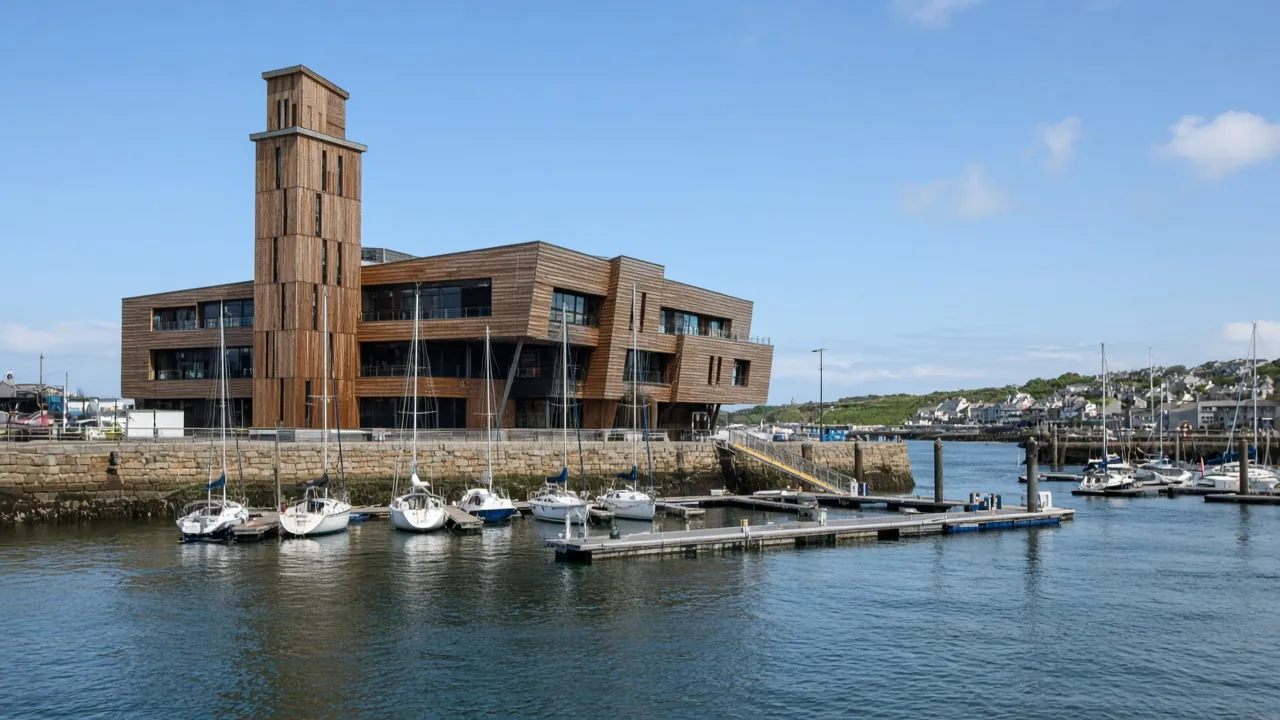
The town sits between a working harbour and a later seaside, compact enough to walk: a high street, docks, and the National Maritime Museum Cornwall on the water, a serious indoor stop if you want the packet-ship and sailing story of the place. Pendennis Castle, on the headland, is the landmark that explains the harbour's military importance, a Tudor coastal fort with a wide look over the roads and the Channel approaches; St Mawes, reached by a short ferry across the water, is its counterpart, a smaller, handsome castle and a village landing. Either castle, or the ferry itself, is a complete addition to a morning in town. The beaches and headlands toward the open sea, including the walks around the castle point, give you air and a different Falmouth from the shops.
The river valleys of the Fal lead inland toward Truro, a small cathedral city and a longer outing by road or, more slowly, by river. It is possible on a long call and a waste of a short one if you also want the harbour. The gardens of this mild coast — Trebah and Glendurgan among them — are a classic half-day if plants and a sheltered valley are your interest, and they need a taxi or a tour and a conservative return. The Lizard and the far west of Cornwall will consume a day.
Food is Cornish and maritime: fish, simple rooms, pasties, and cafés in town. Lunch in Falmouth is the easy plan. The weather changes quickly; a layer against wind and showers is useful even in summer.
Ships berth in the docks, a short way from the centre, so you can be in the streets without a long transfer. Walk the town, add a castle or a ferry, and come back with time in hand. A first day that stays on this harbour is a complete visit to a real Cornish port. A first day that tries to collect St Ives, a garden and a cathedral will be spent in a vehicle on slow roads. This Falmouth is not the Caribbean namesake already in the catalogue; the roads, the forts and the climate are of a different sea. Keep the two distinct, and let Carrick Roads be enough. The docks can be busy on a ship morning, but the walk into town is still short if you leave a little earlier than you think you need. A clear time to be back at the berth matters more than one extra garden. Carrick Roads in a changing light, a castle and a good lunch are already a full Cornish harbour day.
Port landmarks
Shore Excursions
- Doc Martin Tour – 1 h 30 min