Falmouth, Antigua & Barbuda
Ports
Home • Ports • Caribbean • Antigua & Barbuda • Falmouth
About Falmouth
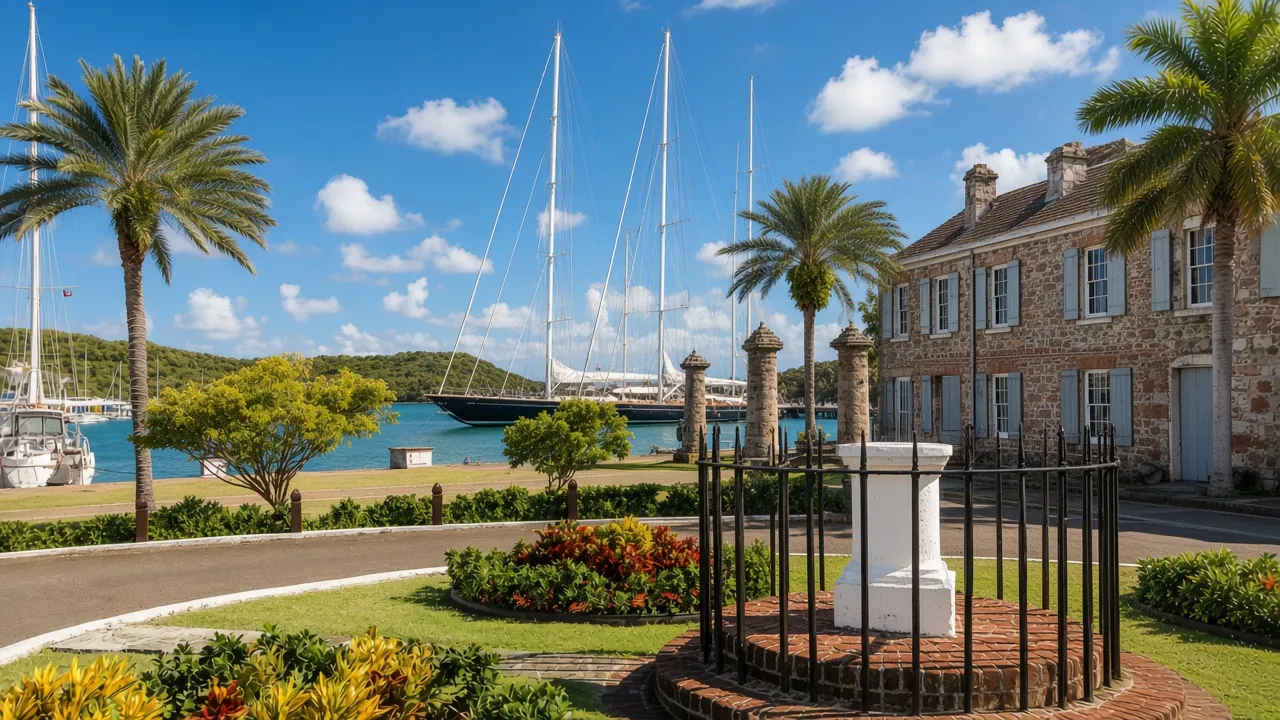
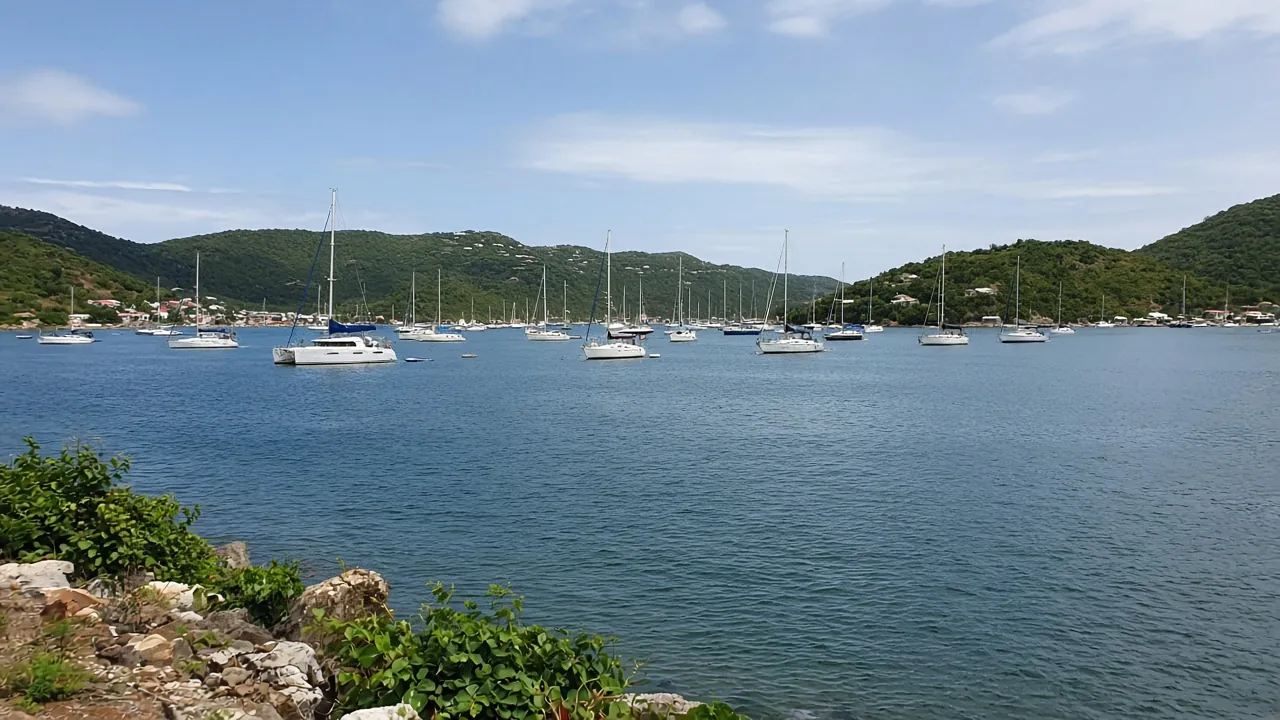
Falmouth Harbour sits on Antigua's south coast, next to English Harbour and Nelson's Dockyard, a UNESCO-listed Georgian naval yard that is still in use. The stone storehouses, capstans and officers' houses gather around a deep, sheltered anchorage that was a principal Royal Navy base in the eastern Caribbean in the eighteenth century. This is a small-ship call: vessels usually anchor and tender ashore beside the dockyard, so you can be among the historic yard almost at once. Larger ships more often use St. John's on the northwest coast; from Falmouth, the island's west and north beaches are a drive, not a walk.
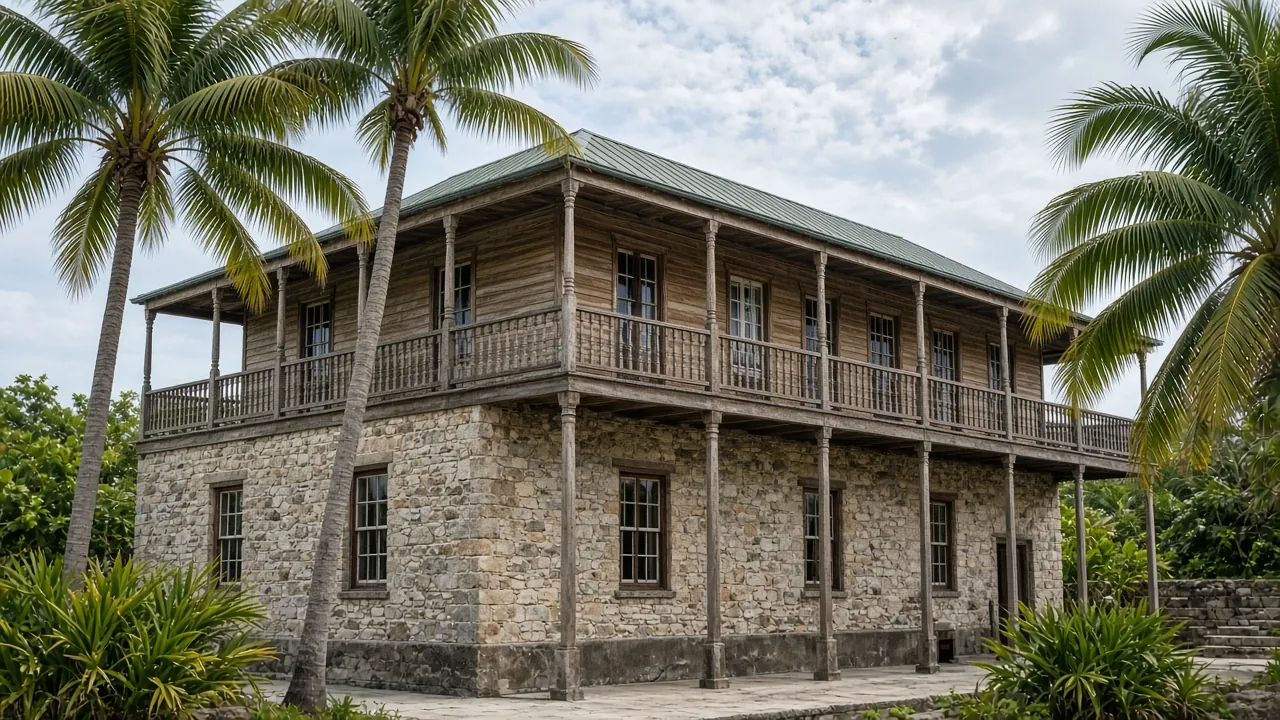
Nelson's Dockyard is the heart of the call, a stone naval yard laid out in the eighteenth century on English Harbour, immediately beside Falmouth Harbour. It is the only continuously working Georgian dockyard in the world, and it is now a UNESCO World Heritage site as part of Antigua's naval dockyard and related archaeological sites. You walk among capstans, storehouses, sail lofts and officers' quarters that were built for the Royal Navy's Leeward Islands station, with yachts in the same basin that once held ships of the line. The yard is compact and easy to read; a slow circuit, including the Dockyard Museum in one of the old buildings, is the right pace.
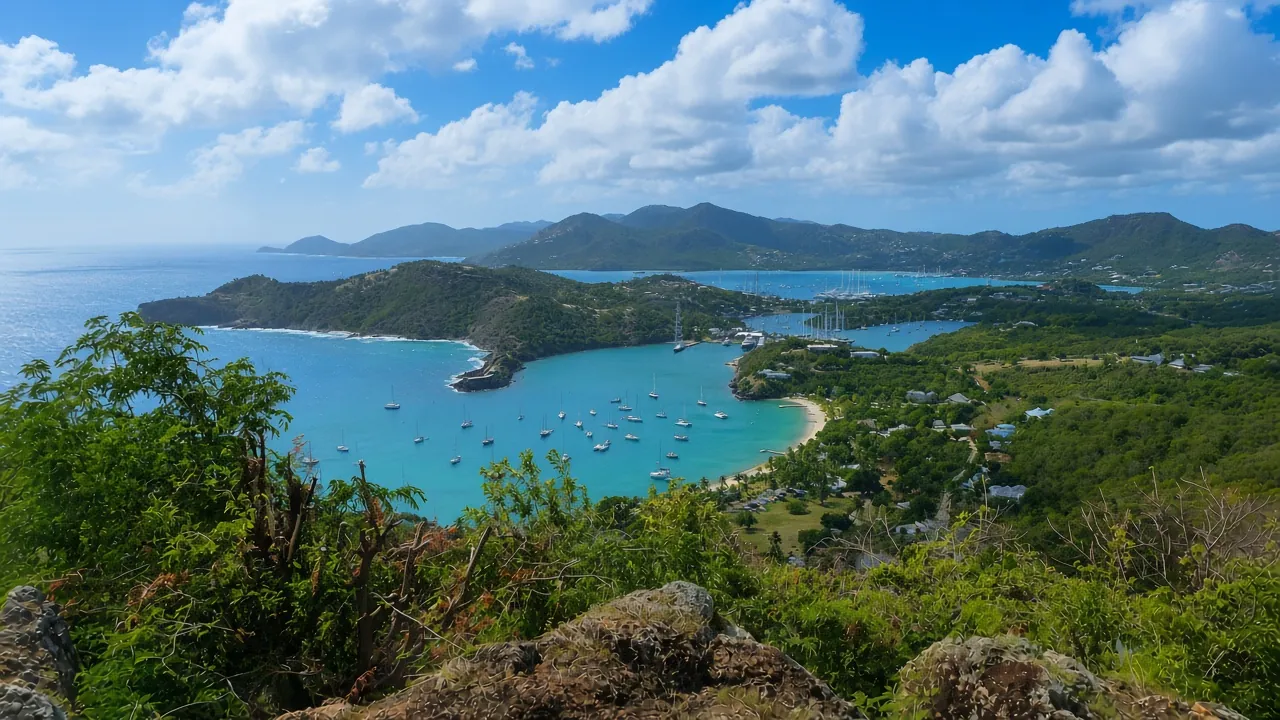
A short climb or a drive above the harbours leads to Shirley Heights, the former military lookout, with a wide view over the two harbours and the dry, volcanic hills of the south coast. The landscape here is more open and scrubby than the lush image some visitors expect of the Caribbean, and the light is hard and clear. Down at sea level, the villages around English Harbour and Falmouth are small: a few streets, boatyards, bars and rooms above the water, oriented to yachts as much as to ships.
The rest of Antigua is a different outing. The island's better-known beaches — along the west and north coasts, and in bays such as those toward the tourist west — are a drive across low hills, not a walk from the dockyard. St. John's, the capital, is on the opposite side of the island and is the berth for most large cruise ships; if your ship has come to Falmouth, it is usually because it can use this smaller, historic harbour. A beach or a drive to the capital can still fit a longer call, but it should be planned with the return to the tender in mind.
Eat in the dockyard or in the village immediately around it, where the cooking is informal and the setting is the point. A first day that stays in the yard, walks the harbour road and, if you have the energy, goes up to Shirley Heights, will tell you more about this coast than a hurried circuit of the island. Wear decent shoes for the cobbles and the hill, take sun protection, and treat the tender as part of the timetable rather than an afterthought. Clarence House, on the hill above the yard, and the wider naval landscape of batteries and lookouts are part of the same UNESCO site, so a first visit can stay entirely within this small, historic peninsula without feeling thin.
Port landmarks