East London, South Africa
Ports
Home • Ports • Europe • South Africa • East London
About East London
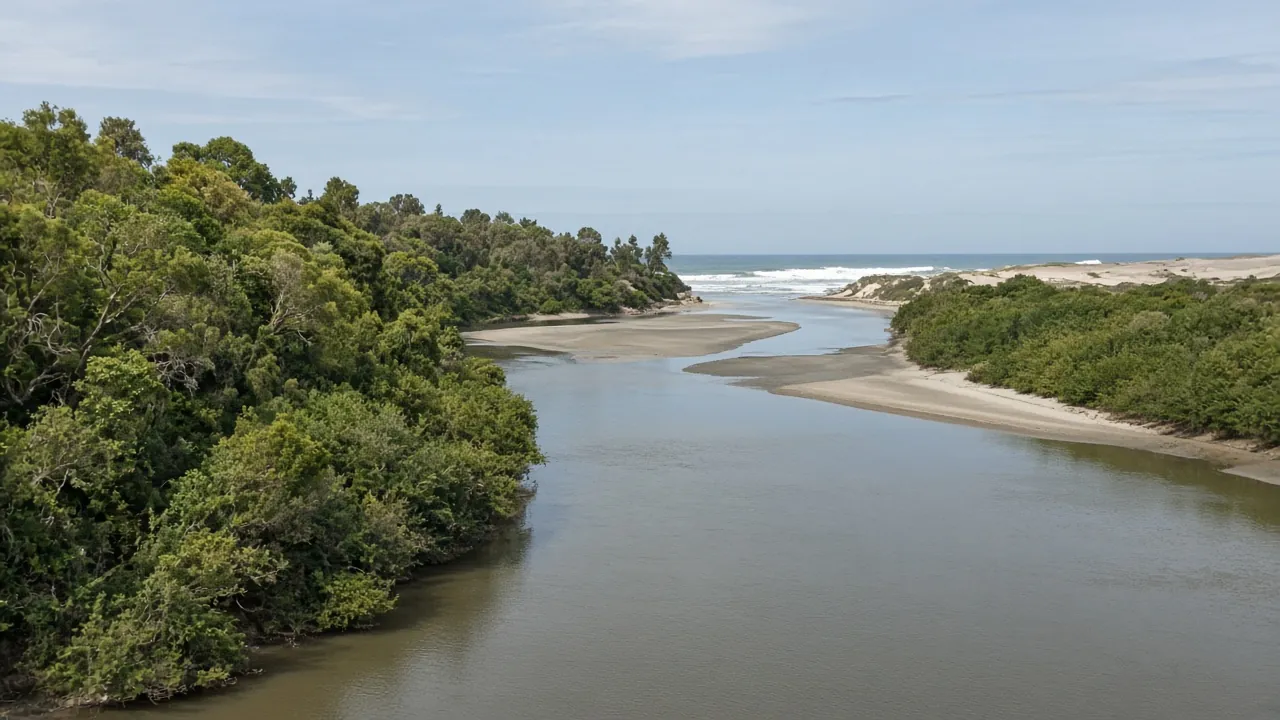
East London occupies the mouth of the Buffalo River on South Africa's Eastern Cape, a modest city with a working harbour, a long beach at Orient, and a civic centre a short way up from the water. It is the country's unusual river port, and cruise calls here are fewer than at Cape Town; the landing is a working dock rather than a visitor promenade, and a taxi or a short transfer is the usual way into town. The scale is honest and local: a museum or two, the esplanade, a lunch near the water. This is not Durban, and it is not the Cape. Leave time for the return through the harbour, which does not run on a tourist clock.
East London occupies the mouth of the Buffalo River on South Africa's Eastern Cape, a modest city with a working harbour, a long beach at Orient, and a civic centre a short way up from the water. It is the country's unusual river port, and cruise calls here are fewer than at Cape Town; the landing is a working dock rather than a visitor promenade, and a taxi or a short transfer is the usual way into town. That honesty is part of the place. You have landed in a real Eastern Cape city, not at a rebuilt waterfront designed for the gangway.
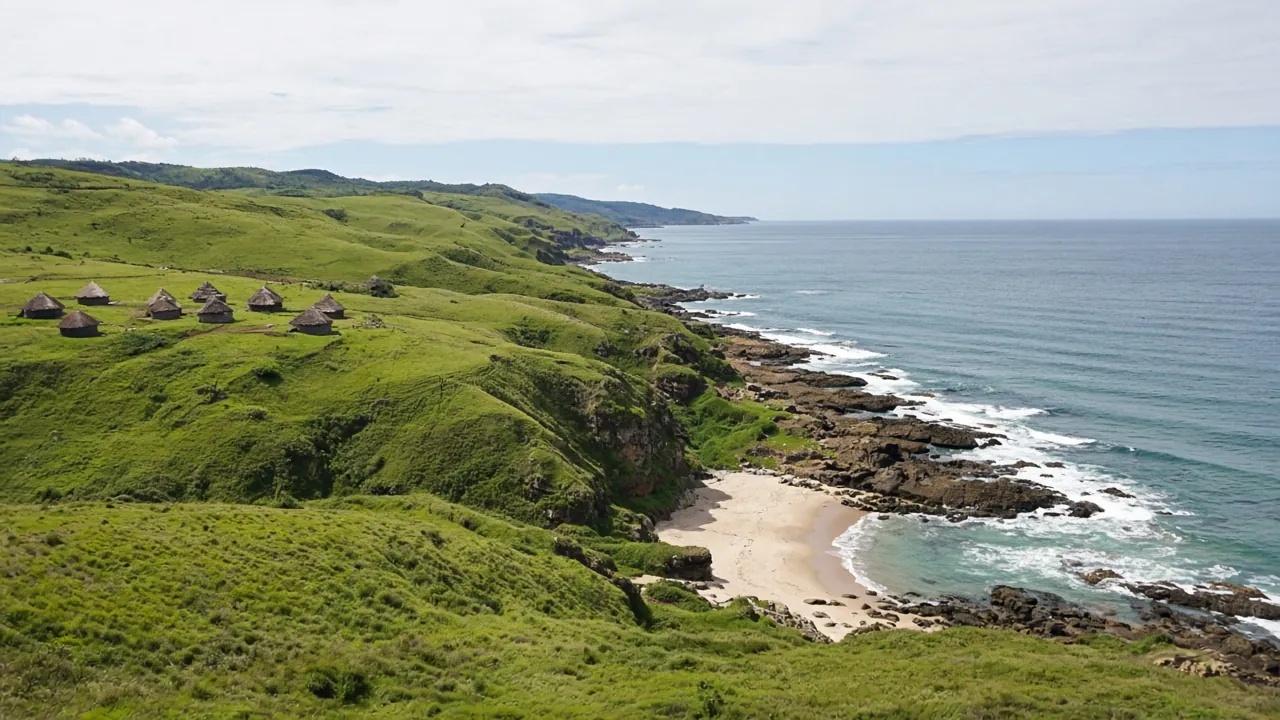
The scale is local: a museum or two, including a good natural and civic collection if you like a quiet interior, the esplanade, the beach, and a lunch near the water. The Buffalo River and the harbour mouth have their own interest if you like working ports. The surrounding country — the wilder Eastern Cape coast, the hills inland — is beautiful and slower, and it will take the rest of the day if you go. This is not Durban, and it is not the Cape; distances in this province are longer than they look, and a harbour afternoon is not the moment for a very long road.
The climate is milder than the interior, with a wind off the Indian Ocean and a chance of sudden weather. Food is South African and coastal, with the particular mix of the Eastern Cape; it is the food of a city, not of a resort. English and Afrikaans are both used, and isiXhosa is the language of a large part of the city's life. The last return through the harbour does not run on a tourist clock, and it is worth leaving a margin for the gate.
A day that stays with the town, the esplanade and the beach already has East London in hand, and that is a fair, local first encounter with this coast. If you go inland or along the shore, agree the last hour before you set off. The ship remains in a working river port, and the port keeps its appointment. Cape Town has its own harbour page, and the two calls should not be asked to stand in for each other.
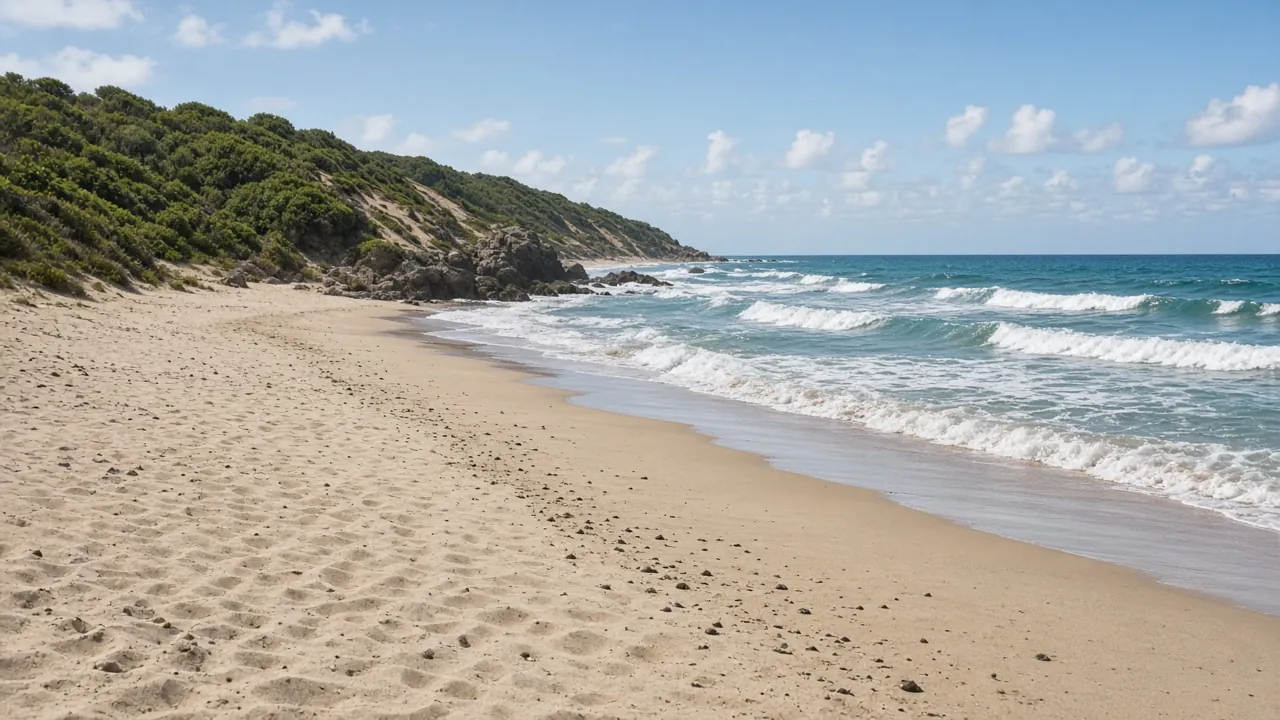
Orient Beach lies close to the river mouth and is the simplest pleasure of a short stay: a long, open shore and a municipal, everyday atmosphere rather than a private resort. The city centre is a little uphill and inland of the docks, a grid of later streets with the usual civic buildings of a regional South African town. Neither is grand, and both are genuine. Take them at walking or taxi pace, come back to the river port with time to spare, and the call will have had a clear, local shape.
Port landmarks