Dubrovnik, Croatia
Ports
Home • Ports • Europe • Croatia • Dubrovnik
About Dubrovnik
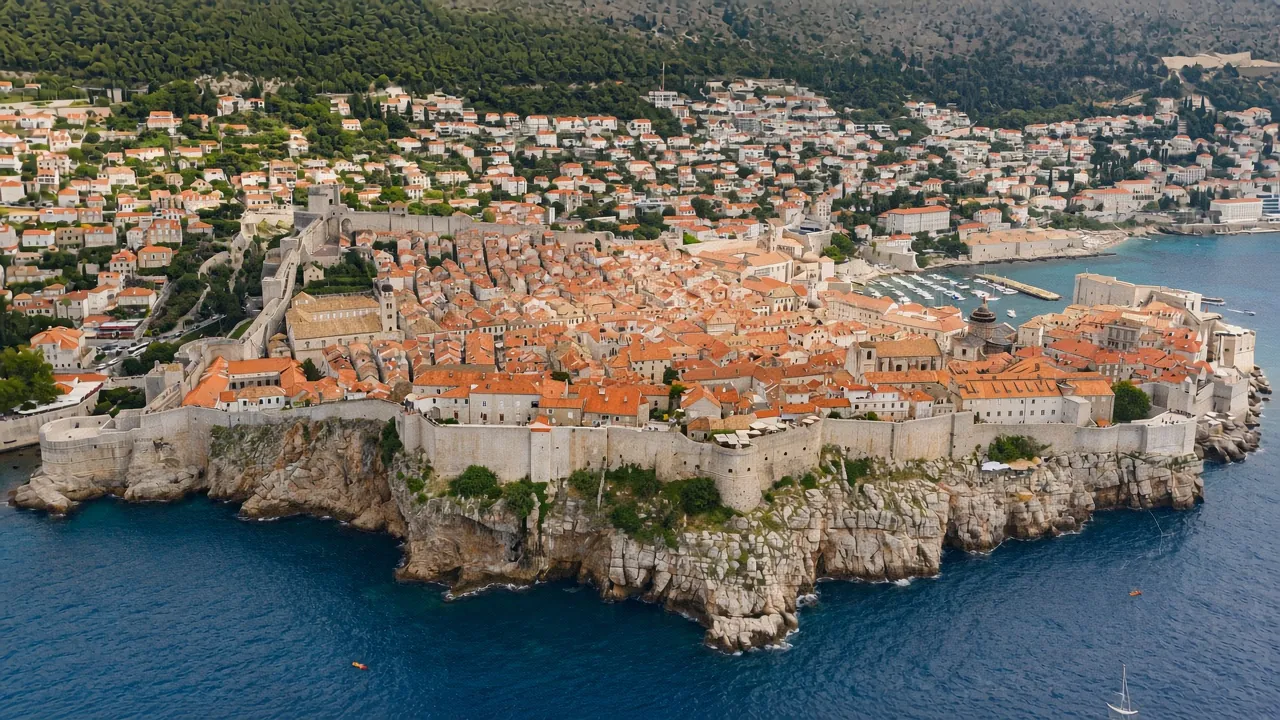
Dubrovnik is a walled city on the Adriatic, a compact limestone town of cloisters, walls and a paved main street that most visitors come to walk. The old town gathers around Stradun, with the city walls offering the widest view over red roofs and the sea. A first day is easily spent inside the gates if you keep the heat and the crowds in mind. Cruise ships berth at Gruž, a short ride or a longer walk from the old town, so plan the transfer and the return.
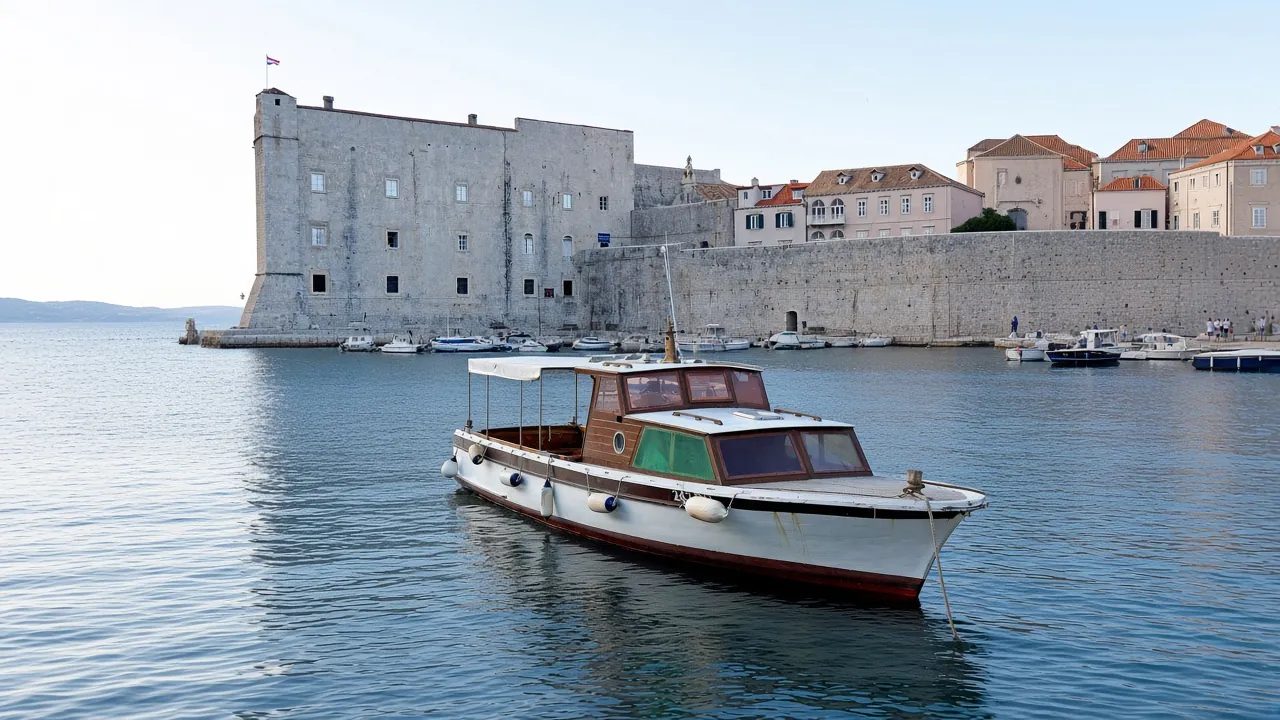
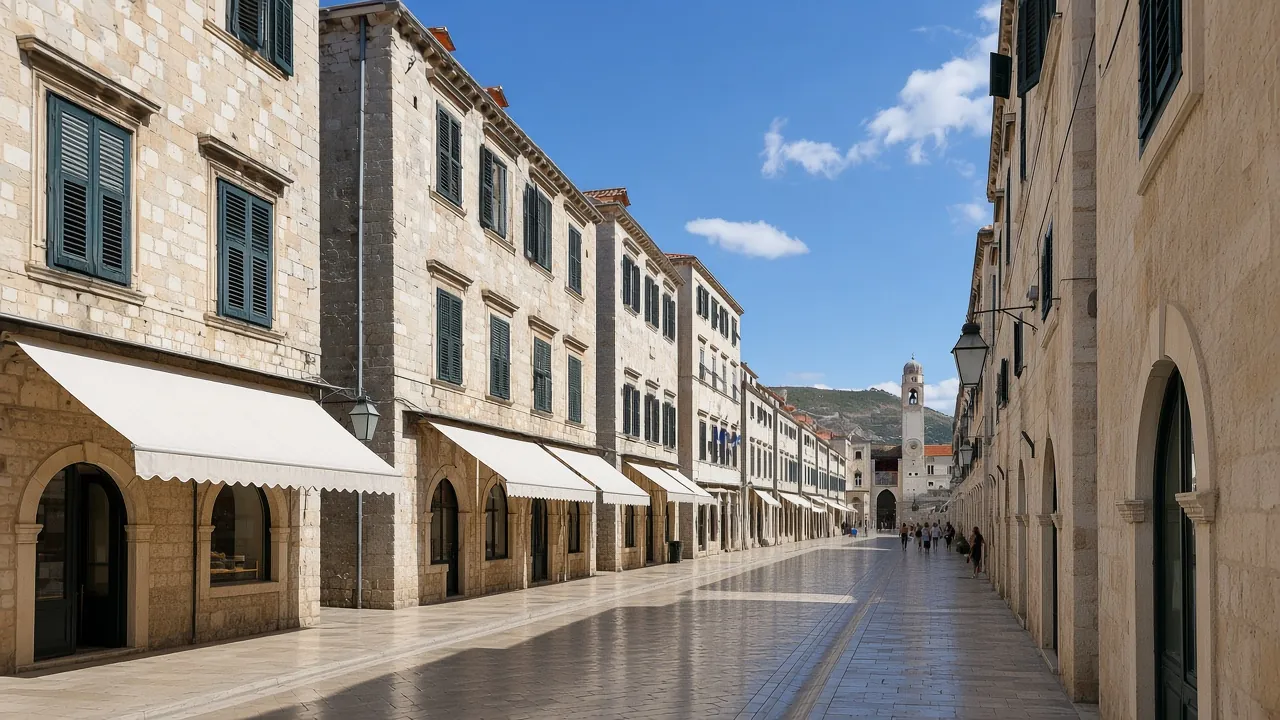
The Old Town is compact, paved, and best seen on foot. Stradun, the wide limestone street that runs from the Pile Gate toward the harbour end of the walls, is the spine of the place: a pale, polished corridor of shuttered palaces and church fronts, usually crowded by mid-morning. From there the side streets climb and drop between stone houses. The Old Port, with its basin, moles and the walls rising behind the boats, sits at the eastern edge and is one of the clearest views of how the city meets the water.
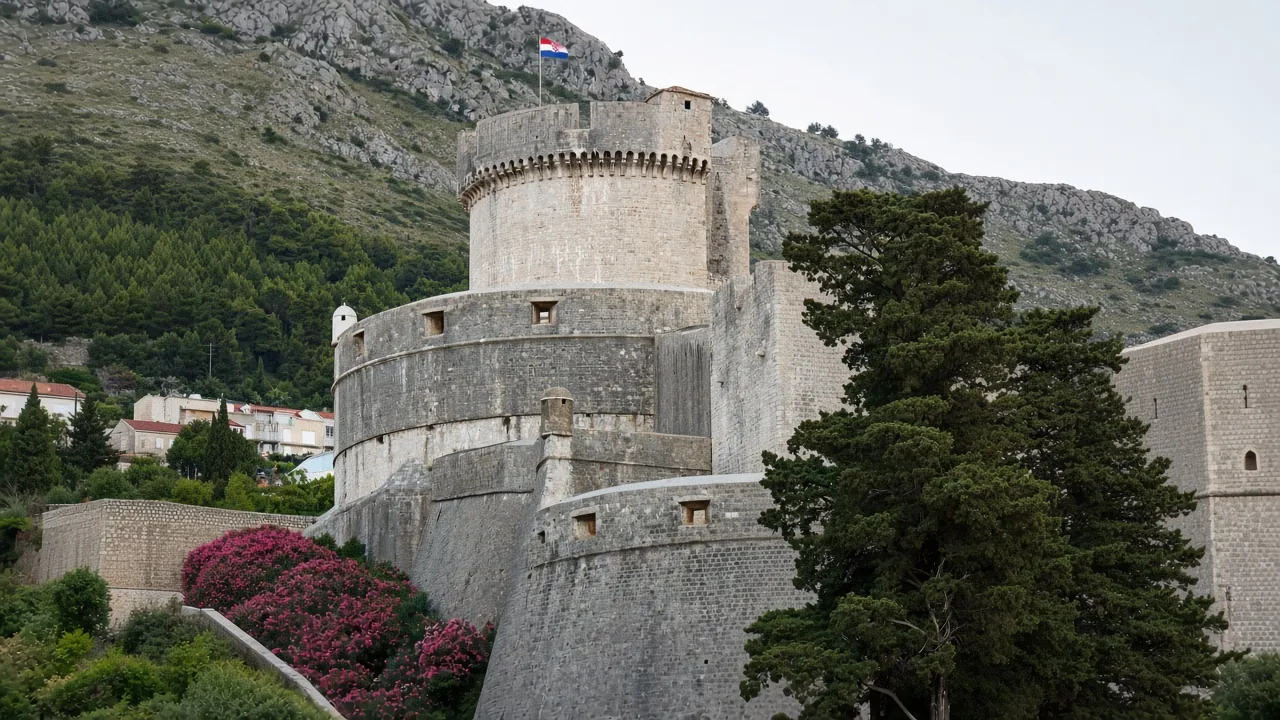
The city walls are the other essential circuit. They encircle the Old Town in a continuous walk of towers, battlements and sea views, and they are more demanding than they look from below: the steps are steep, the stone is uneven, and there is almost no shade at midday. Minčeta, the large round tower at the highest point of the walls on the landward side, is the silhouette that marks the northwest corner. Give the walls a clear block of time, or skip them rather than rushing a partial lap and then discovering you still have to get back to Gruž. Comfortable shoes, water and a hat are not optional in summer.
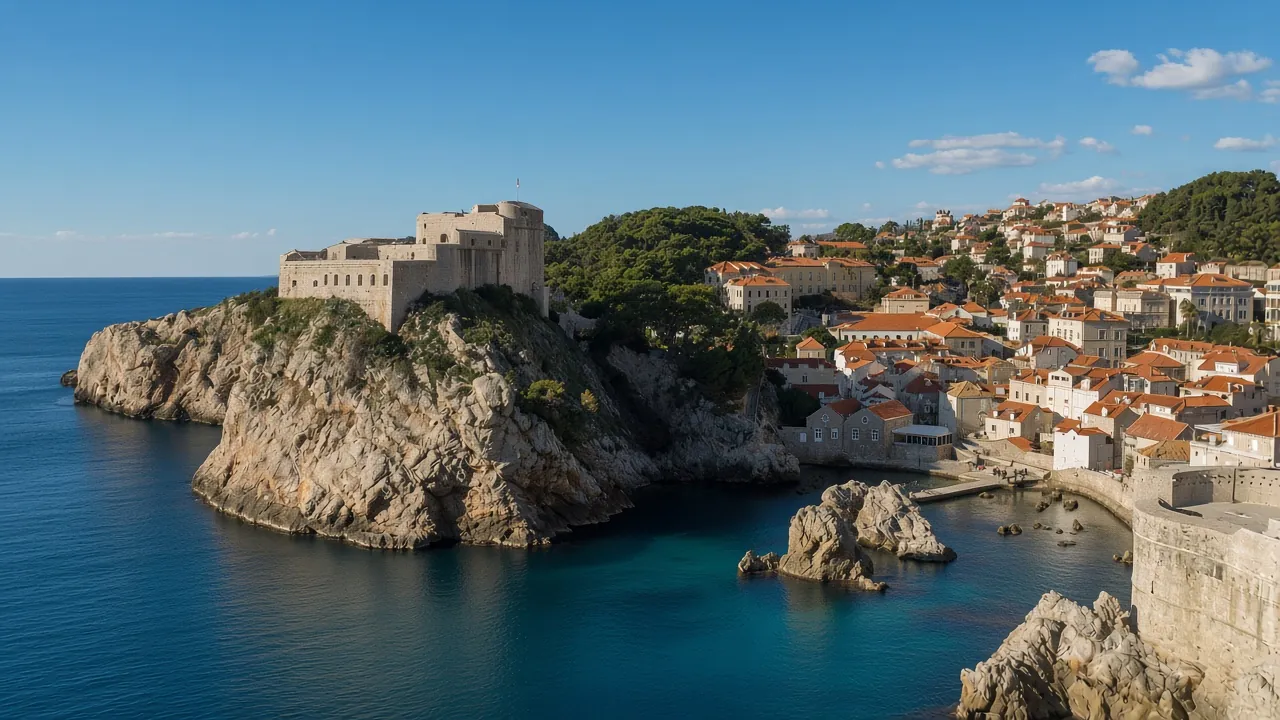
Just outside the western walls, across a narrow gap from the Pile Gate, stands Lovrijenac, the fortress on its rock above the sea. It is one of the most recognizable outlines of the city and is close enough to include if you arrive at Pile, provided you do not also try to walk the full walls, the Old Port and a long circuit of churches in the same short call.
A practical first visit is a transfer to Pile, a walk along Stradun to the Old Port, and either the walls or Lovrijenac as the main structured outing — not both plus a leisurely lunch if your ship is on a tight schedule. Eat inside the walls or just outside the gates; Gruž has its own cafes, but most people will want to spend their hours in the Old Town. The currency is the euro; cards are widely accepted, though a little cash is still useful. The stone underfoot is slippery when polished or wet, and the heat on the walls can be intense. Leave a clear margin for the ride back to Gruž: the harbour is close on a map and farther in a queue.
Port landmarks
Shore Excursions
- Private Shore Excursion: Dubrovnik Above & Beyond – 4 h
- Best of Montenegro Private Luxury Tour – 9 h 30 min
- Best Dubrovnik Tour for Cruise Passengers – 5 h
- Westeros Wonders: Private Game of Thrones Tour – 2 h 30 min
- Dubrovnik Panorama Tour & Dubrovnik On Your Own – 3 h
- Private Full Day Combo Tour: Dubrovnik, Peljesac & Ston – 7 h
- Private: Kotor In Montenegro From Dubrovnik With Optional Perast – 9 h
- Best of Dubrovnik-private luxury driving and walking tour – 4 h 30 min
- Private Pelješac Wine and Oyster Harvesting Experience by Boat – 5 h
- Private luxury tour to Mostar, Pocitelj and Blagaj – 9 h 30 min
- Private Dubrovnik City Sunset Tour with Glass of Wine – 2 h
- Dubrovnik Private Walking Tour – Old Town & Local History – 1 h 30 min
- Elaphiti Islands Aboard Luxury Ship Karaka w/ Optional Lunch & Wine-Tasting – 8 h
- Full-Day Private Speedboat: Elaphiti, Blue Cave & Šunj – 8 h
- Private Boat: Dubrovnik to Hvar via Mljet & Korčula – 8 h
- Dubrovnik Private Panorama Tour and War Exhibition – 2 h
- The Best of Museums Private Walking Tour – 2 h 30 min
- Dubrovnik City Tour: Panoramic Ride & Sightseeing Walk – 4 h
- Panoramic Sunset Cruise from Dubrovnik (adult only) – 1 h 30 min
- Discover Dubrovnik's Charm: Guided Tour, City Highlights & Majestic Walls – 2 h 30 min
- Dubrovnik Game of Thrones Driving Tour – 3 h
- Three Countries in One Day: Croatia, Bosnia, and Montenegro – 10 h
- Private Blue Cave Snorkeling and Swimming Tour – 5 h
- King's Landing Game Of Thrones Walking Tour from Dubrovnik – 2 h 30 min
- Dubrovnik to Mostar and Kravice Waterfalls Tour – 10 h
- My Private Dubrovnik Gastro and Wine Tour – 8 h
- Saint Blaise: Dubrovnik's Patron Saint – Private Walking Tour – 2 h
- Private Luxury Yacht Full-Day: Elaphiti Islands, Blue Cave & Šipan Lunch – 8 h
- Dubrovnik Private Shore Excursion: Sightseeing & Cable Car Ride – 6 h
- Private luxury wine tour to Korcula and Ston – 9 h 30 min
- Game of Thrones Complete Tour-driving and walking tour – 5 h
- Private Peljesac Wine & Ston Oysters Tour – 5 h
- Private Tour From Dubrovnik: Vjetrenica Cave Tour – 4 h
- Private Tour: Dubrovnik City & Panorama – 3 h
- Dubrovnik Panorama & Epic GOT walking tour – 4 h
- Private Walking Tour: A Story About The War – 1 h 30 min
- Dubrovnik Old Town Walking Tour – History & City Highlights – 1 h 30 min
- Dubrovnik Sunset Panorama Tour with Wine – 2 h
- Dubrovnik Highlights and Craft Beer Experience – 4 h
- Private Half Day Shore Excursion: Old Dubrovnik & Medieval Cavtat – 4 h 30 min