Darwin, Australia
Ports
Home • Ports • Asia • Australia • Darwin
About Darwin
Darwin is the capital of the Northern Territory, a tropical city on the Timor Sea, rebuilt more than once after the Japanese air raids of 1942 and Cyclone Tracy in 1974. The waterfront precinct, the cliff-top parks and, in the dry season, the sunset markets at Mindil Beach give a first visit a clear shape; the Museum and Art Gallery of the Northern Territory sits a short way from the centre. Cruise ships usually berth at Fort Hill Wharf, close to the waterfront, so the harbourfront and the city are a short walk. Kakadu and Litchfield are serious day outings, not a casual add-on.
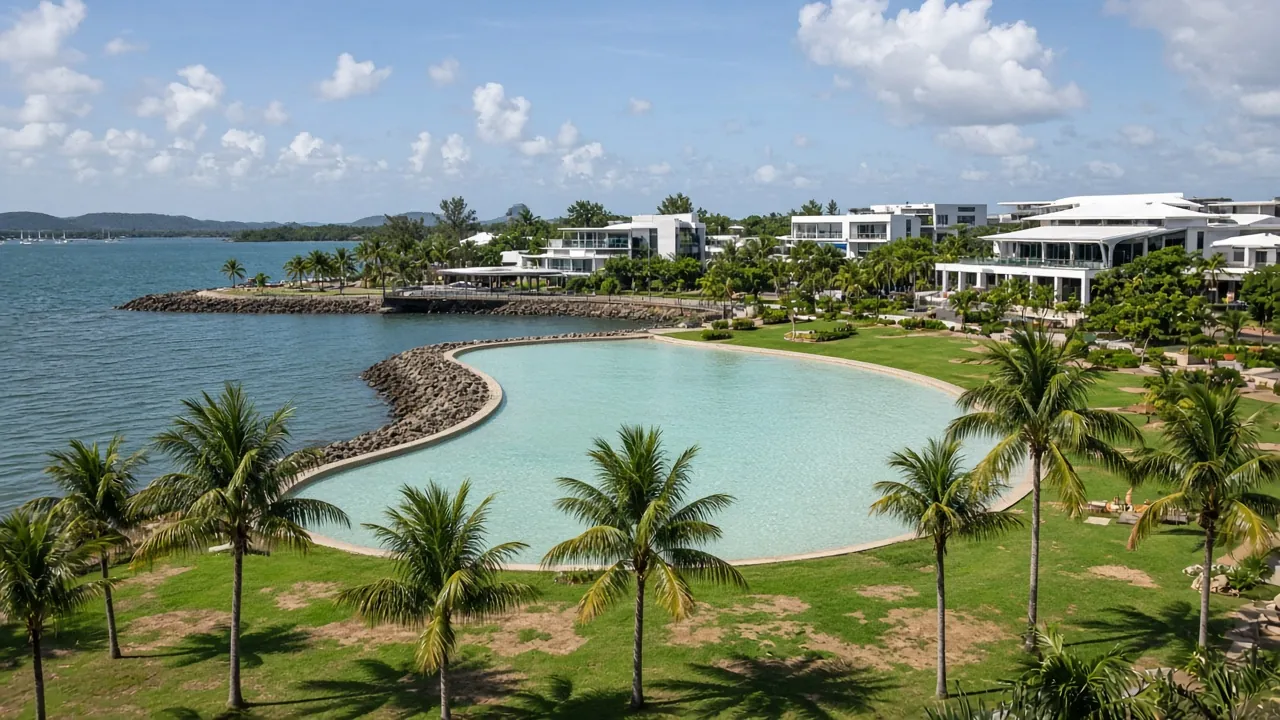
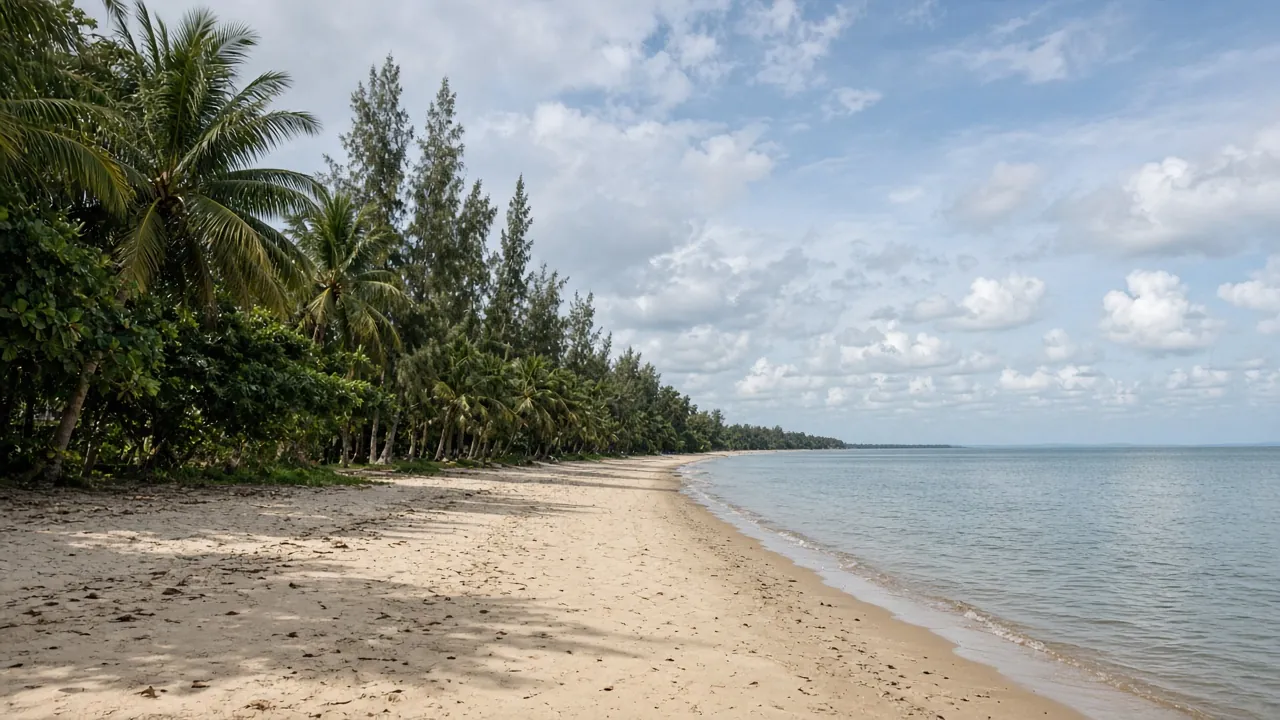
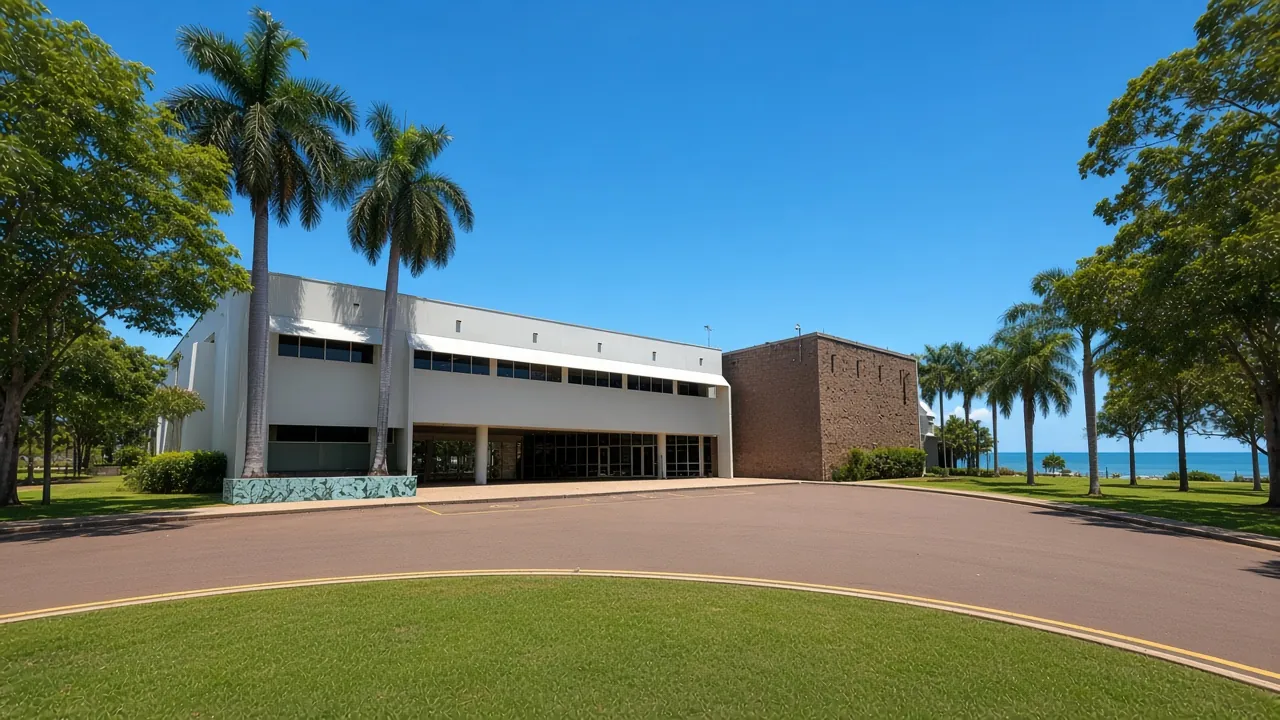
The city sits on a low peninsula, with a cliff-top esplanade looking over the harbour and a rebuilt waterfront precinct of lawns, a wave pool and restaurants at the edge of the central business district. Almost nothing of the pre-war or pre-Tracy streetscape survives in the centre; what you see is a late-twentieth-century tropical capital, open, informal and oriented to shade and the sea. The Museum and Art Gallery of the Northern Territory, at Bullocky Point a short way from the centre, is the one indoor stop that most clearly tells the place: Cyclone Tracy, the wartime raids, Aboriginal art and the natural history of the Top End. In the dry season, Mindil Beach holds evening sunset markets, with food stalls and a view over the Timor Sea; in the wet season the same shore is quieter and often humid and stormy.
A first visit can stay in this compact core: the waterfront, the esplanade parks, Cullen Bay or the gardens, and a museum visit. Food is a genuine strength, a mix of seafood, contemporary Australian cooking and a long South-East Asian influence that you will taste in markets and casual restaurants. The heat is real. Plan indoor time in the middle of the day, drink water, and do not treat a tropical afternoon as if it were a southern-city walk.
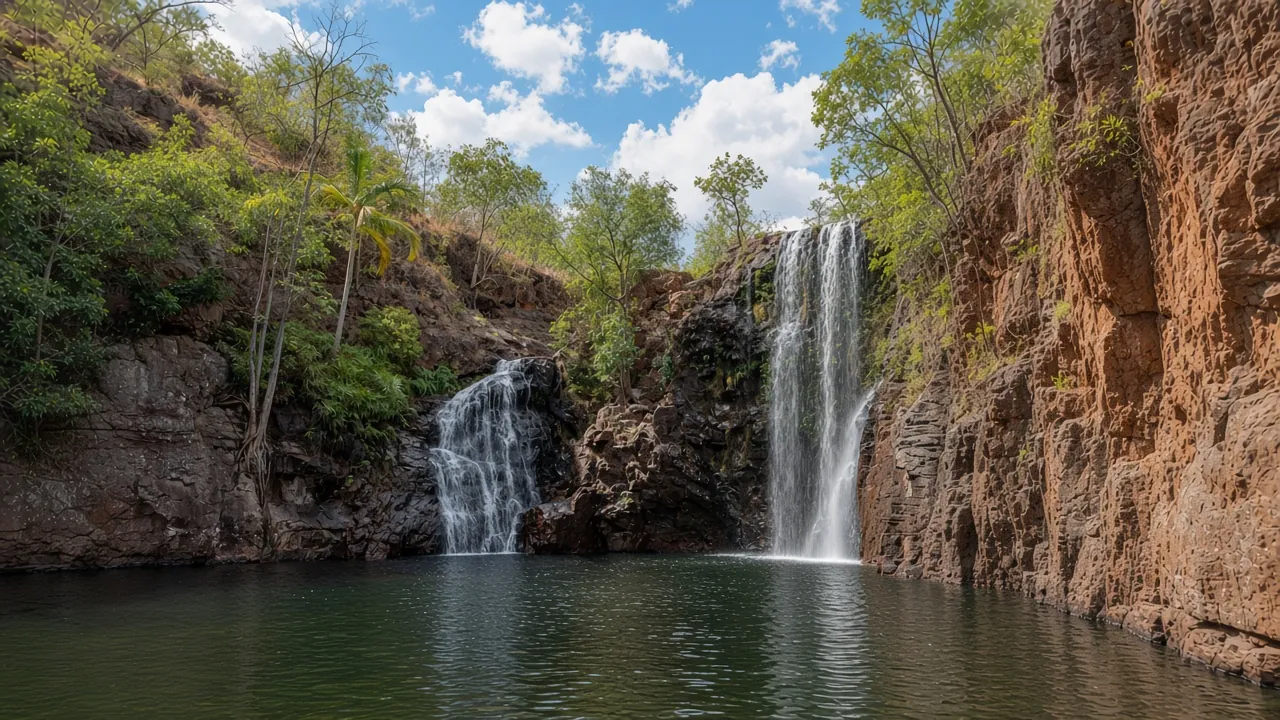
The great national parks of the Top End — Kakadu and Litchfield — are the reason many travellers come to Darwin, but they are not next door. Litchfield, with its waterfalls and termite mounds, is the closer of the two and can be done as a long day if the ship's hours allow; Kakadu is larger and further and rarely fits a short port call without a very early, tightly run tour. Neither is a casual taxi ride.
Fort Hill Wharf is close to the waterfront precinct, so you can walk into the harbourfront and the city without a transfer. That is the advantage of this call, and it is worth using: see Darwin itself, eat well, and only add a park if the timetable and the season are on your side. The return is short, but the climate and the park distances are not. Check whether the markets are actually on the day you land; they are seasonal, not daily. Crocosaurus Cove, in the city centre, is a close, indoor way to see saltwater crocodiles if you are not going out to a park, and Stokes Hill Wharf, next to the landing, is a practical place for a drink or a meal with a view of the harbour. The dry season, roughly May to October, is the easier time to be outdoors for long; the wet season is hotter, more humid and more liable to heavy rain.
Port landmarks
Shore Excursions
- Litchfield National Park Day Tour – 10 h
- The Croc Bus – 5 h
- Big Bus Darwin Classic - Hop On Hop Off Bus Ticket - 24 Hours – Flexible · valid 24 h
- Half Day Jumping Crocodile Cruise – 4 h 30 min
- Big Bus Darwin Deluxe - 2 Day Hop On Hop Off Bus Ticket – Flexible · valid 2 days
- Big Bus Darwin Premium - 2 Day Hop On Hop Off Bus Ticket – Flexible · valid 2 days