Colón, Panama
Ports
Home • Ports • America • Panama • Colón
About Colón
Colón stands at the Caribbean mouth of the Panama Canal, a historic terminal city on the Bahía Limón whose fortunes have long been tied to the waterway. Most cruise passengers come ashore at Colón 2000, a purpose-built terminal with shops and tour desks beside the harbour, rather than wandering the wider city as a first move. Gatún Locks and the canal itself are the usual reason ships call, a short drive from the terminal; Panama City, on the Pacific side, is a much longer road of an hour or more. The landing is useful to know in advance, and the last transfer back to the ship belongs in the same plan. This page is Colón, not Panama City or Portobelo.
Colón stands at the Caribbean entrance to the Panama Canal, on the Bahía Limón, a city whose whole history is bound to the isthmus and the waterway. It was built as a terminal and railroad town, and it remains a working port first. Most cruise passengers come ashore at Colón 2000, a purpose-built terminal of shops, desks and tour meeting points beside the water, and many of them begin and end the day there rather than in the wider streets. That is a practical fact of this call, not a slight; the terminal is organised for a short harbour day, and the organised tours leave from its doors.
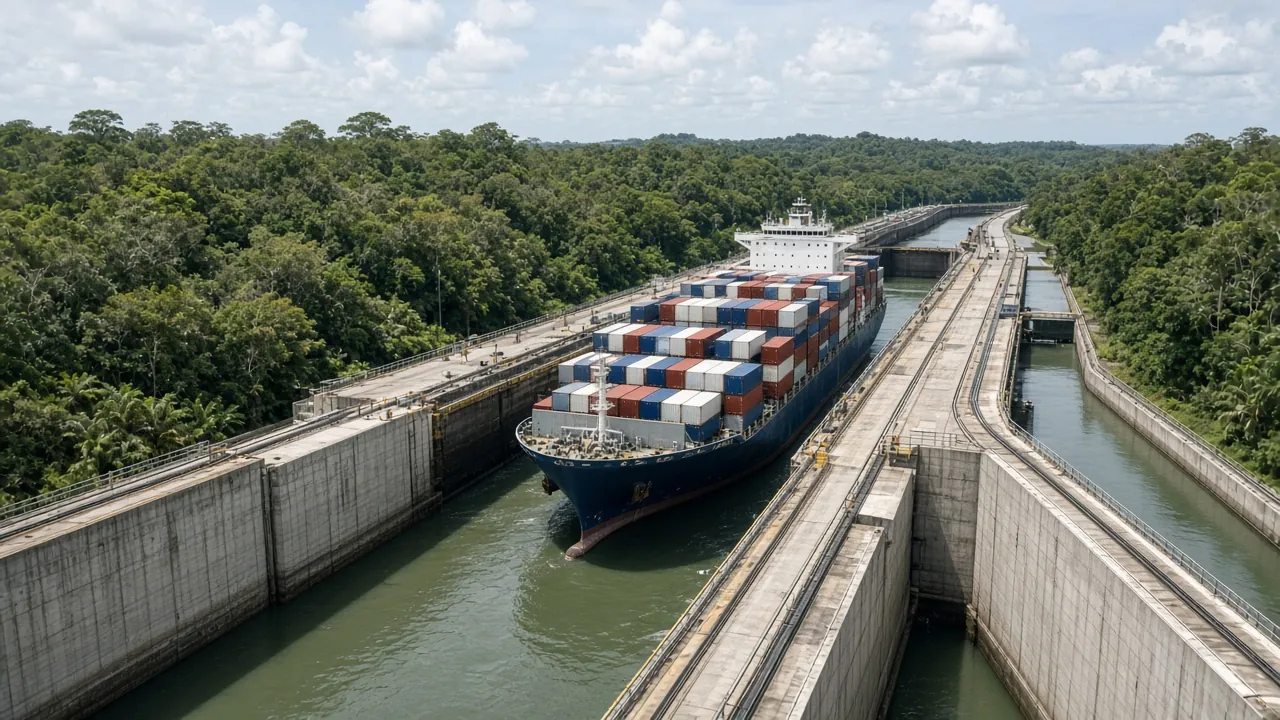
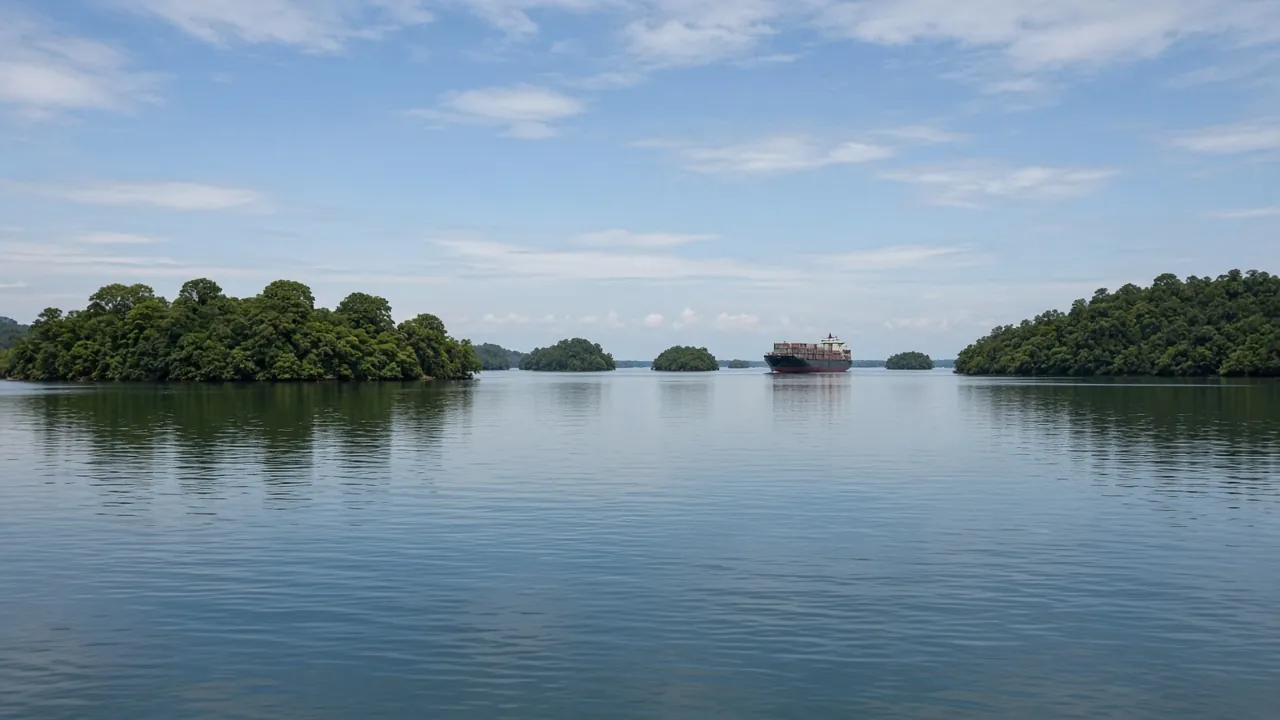
The reason most ships come is the canal. Gatún Locks, a short drive from the terminal, are the Caribbean steps of the waterway, and a morning there — watching a ship rise or fall between the lake and the sea — is the classic outing from this harbour. Gatún Lake itself, and the older railroad story of the isthmus, sit in the same landscape. Panama City, on the Pacific side, is a different city and a road of an hour or more each way, longer in traffic; it can be done, but it will use most of the day and it is not a casual addition after the locks.
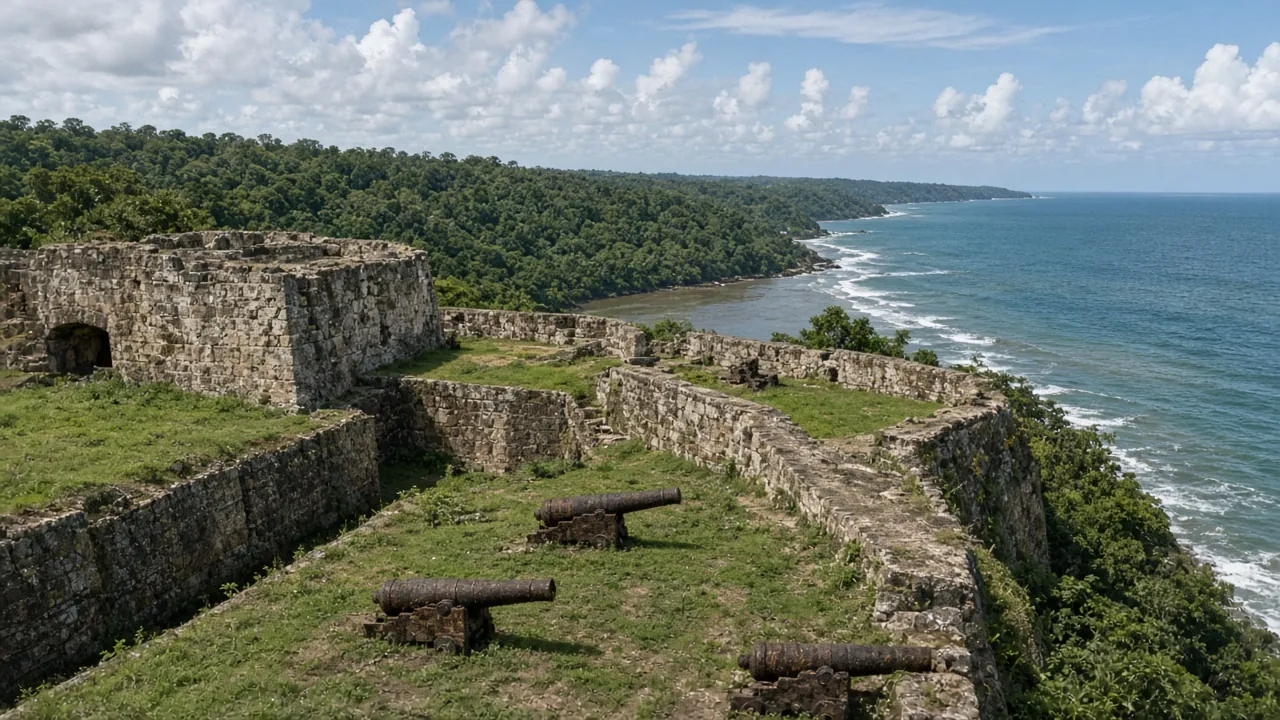
Portobelo, the small historic bay to the east, has its own harbour page and its own slower clock. It is a separate call, not a suburb of Colón. The landing you are on, and the last transfer back to the terminal and the ship, should stay in the day's plan, especially when several ships are in and the coaches queue.
The climate is hot and humid, with heavy rain always possible. Shade inside the terminal is easier than shade in the open port. Food at the terminal is simple and international; the wider city's kitchens are Panamanian and Afro-Caribbean, but many harbour-day visitors will eat close to the gate. English is common in the terminal and on tours; Spanish is the language of the city.
This page is Colón, the Caribbean mouth of the canal. It is not Panama City, and it is not the forts at Portobelo. A day that holds to the terminal, the locks and the water in front of you will already have the isthmus in view. Leave a margin for the way back.
Cristóbal, the historic American-era port district beside the bay, is part of the same harbour story, but it is not a substitute for a walkable old town in the European sense. The canal remains the central fact of the call: a cut through a continent, and a set of locks that still do the work they were built to do. If you stay with that, and with the terminal as a practical base, the day has a clear shape. If you try to add the Pacific capital on the same clock, the road will take the afternoon. The last coach or taxi through the terminal gate is the appointment that matters at the end.
Port landmarks
Shore Excursions
- Private Old Canal Zone Tour (Miraflores Locks, Former Bases, and Museum) – 5 h
- Snorkeling and Kayak Adventures in Portobelo Beach – 8 h
- Aguas Claras-Gatun Locks Visitor Center & City Tour in Colón – 5 h
- Day Tour to Venas Azules Portobelo Beach – 8 h
- Casco Antiguo walking tour and Panama Canal – 4 h
- Chagres River Farm Day Adventure Tour – 8 h
- Panamanian Geisha Coffee and Chocolate Tasting All Inclusive Tour – 2 h
- Colon Shore Excursion: Panama City And Canal Private Tour – 5 h
- Embera Tribe Tour and Village Exploration – 6 h
- City Sightseeing Hop On Hop Off Bus Tour Panama City – Flexible · valid 24 h
- Horseback Riding, Zipline, and Boat Ride Adventure – 8 h
- Emberá Villages Tour – 6 h
- Panama Canal Visitor Center and City Tour Shared Tour – 5 h 30 min
- Exploring Panama La Vieja Hidden Treasures of the Ancient City Private Tour – 3 h
- Private Colon City Tour: Exploring Caribbean Roots, Food, and Culture – 6 h
- Half Day Adventure to Gamboa Sloth Sanctuary and Monkey Island Wildlife Sig – 6 h
- Monkey Island Gamboa Rainforest Tour – 4 h
- Private Shopping in the Biggest Duty free Zone of Las Americas in a Day – 7 h
- Miraflores Locks Visitor Center and Monkey Island and Nature Private Tour – 4 h
- Panama Canal Visitor Center and City Tour Private Tour – 5 h 30 min
- Gatún Lake Sightseeing and Monkey Tour – 3 h
- Panama Canal and City Sightseeing Tour – 8 h
- Panama Viejo and Casco Antiguo Tour – 4 h
- Caribbean Gems: Portobelo and Grande Island Private Tour – 8 h