Charleston, United States
Ports
Home • Ports • America • United States • Charleston
About Charleston
Charleston, South Carolina, is a low historic city of church steeples, antebellum streets and a harbour at the meeting of the Cooper and the Ashley. Cruise ships now berth at the Columbus Street Terminal, a cargo landing about a mile and a half north of the historic centre, not at the older Union Pier, which no longer handles cruise calls. This page is Charleston, a walkable old city once you reach it. The Battery, the market and a house museum will fill the hours after the short transfer. Leave time for the return to Columbus Street, not to a downtown corner that is not your ship.
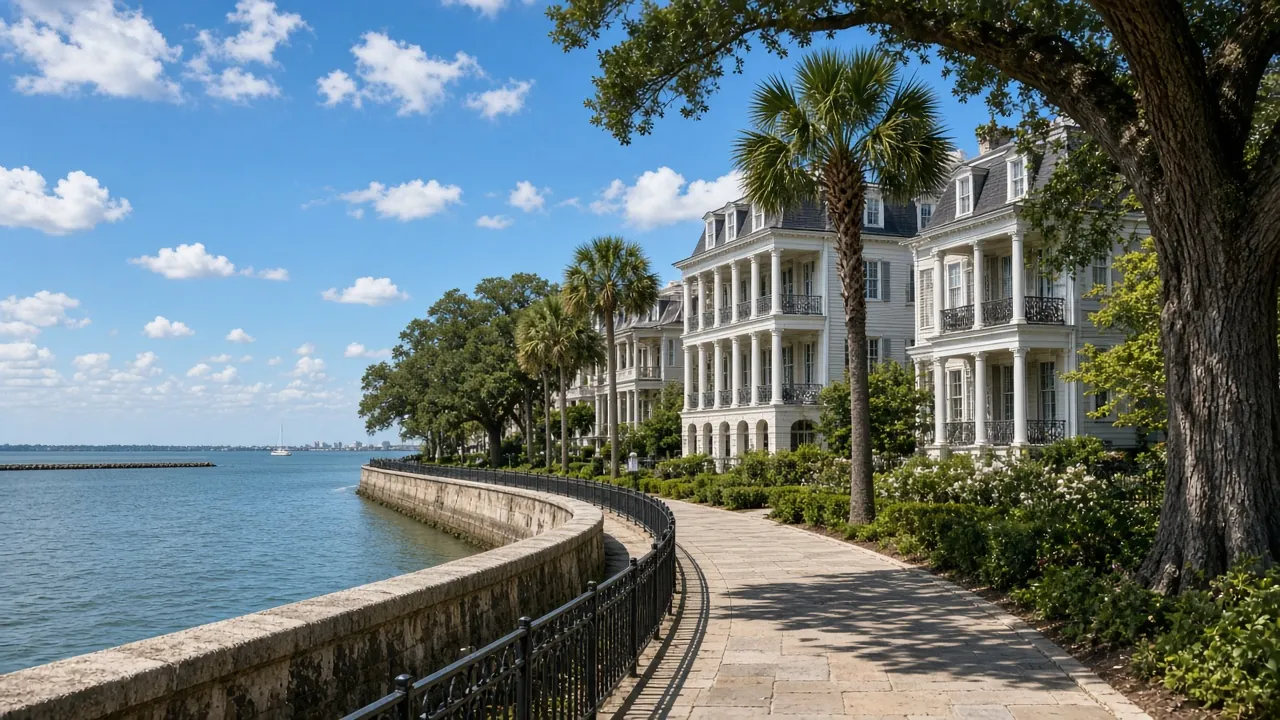
Charleston, South Carolina, is a low historic city of church steeples, antebellum streets and a harbour at the meeting of the Cooper and the Ashley. The old peninsula is walkable once you reach it: the Battery and White Point Garden at the tip, Rainbow Row and the house museums of the lower streets, the City Market, and King Street farther inland. The light is often humid and high, and the scale of the historic centre is smaller than the city's later reputation might suggest.
Cruise ships now berth at the Columbus Street Terminal, a cargo landing about a mile and a half north of the historic centre. The older Union Pier, which sat much closer to the lower streets, no longer handles cruise calls; its last ship left at the end of June 2026. The new arrangement is a short ride or a longer walk into the old city, and it is not the walk-off many older guides still describe. Taxis and prearranged transfers are the ordinary way in from the cargo gates. This page is Charleston, a walkable old city once you reach it.
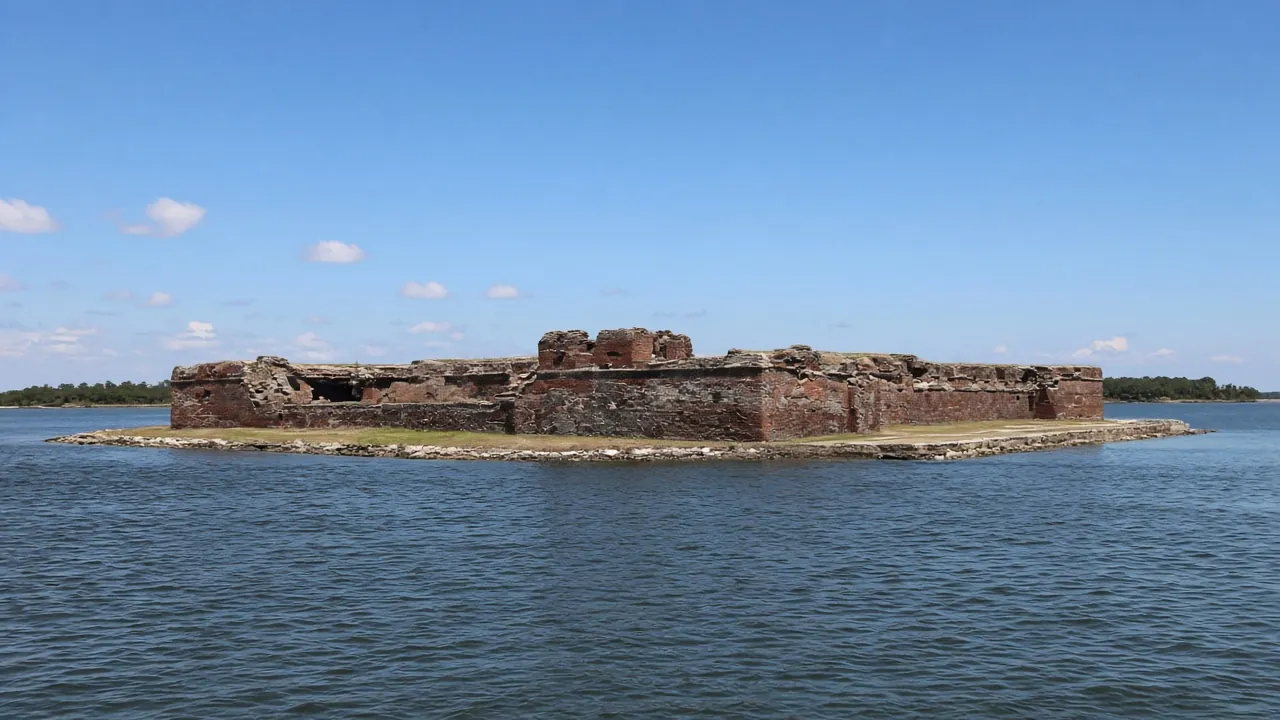
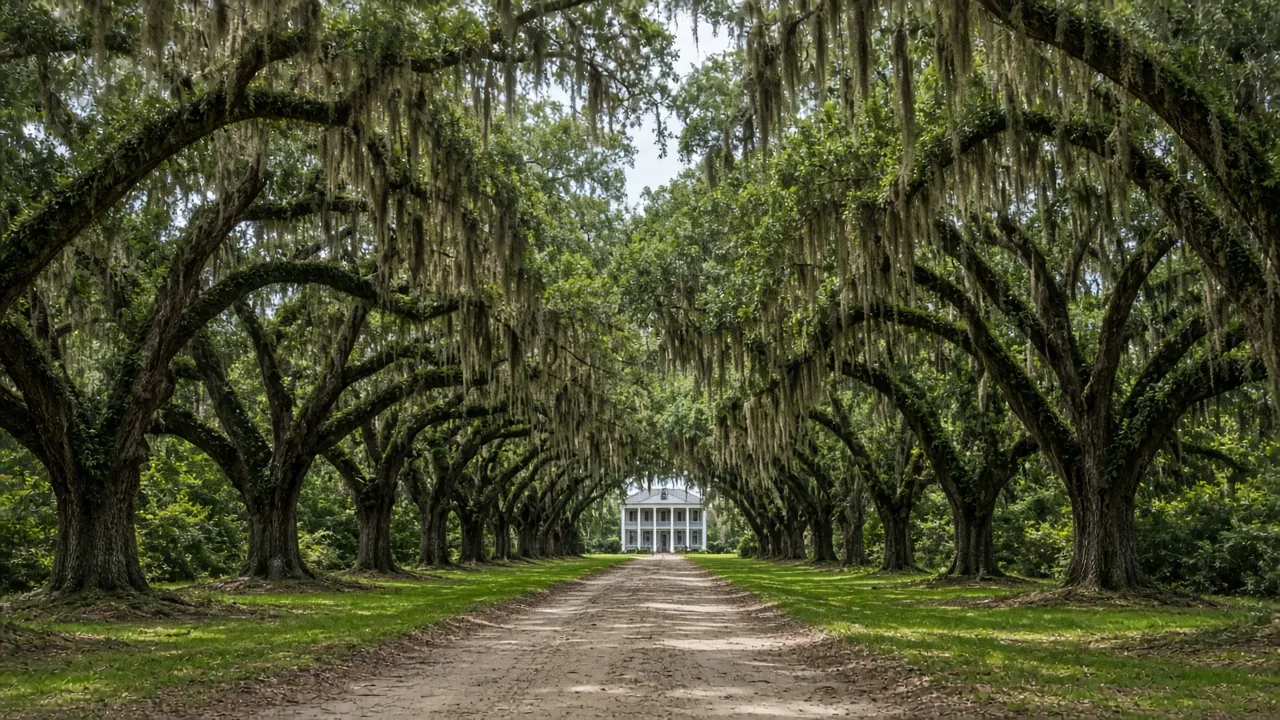
The Battery, a house museum and a slower hour in the market or on King Street will fill a first call. Fort Sumter, out in the harbour, is a boat outing with a fixed schedule; it is worth doing if you book the ferry and keep the return to Columbus Street in mind, and it will use a large part of the day. The plantation houses west of the Ashley — Magnolia, Middleton and others — are longer drives, and one of them is enough if the hours are generous. Carriage tours leave from the historic district and are a way of seeing the streets if walking in the heat is hard.
Lowcountry food — shrimp, grits, she-crab soup, rice dishes — is part of the city's character, and the climate is hot and close for much of the cruise season. A day that tries to do the Battery, a plantation and Fort Sumter usually returns late. Leave time for the return to Columbus Street, not to a downtown corner, a market stall or a garden gate that is not your ship.
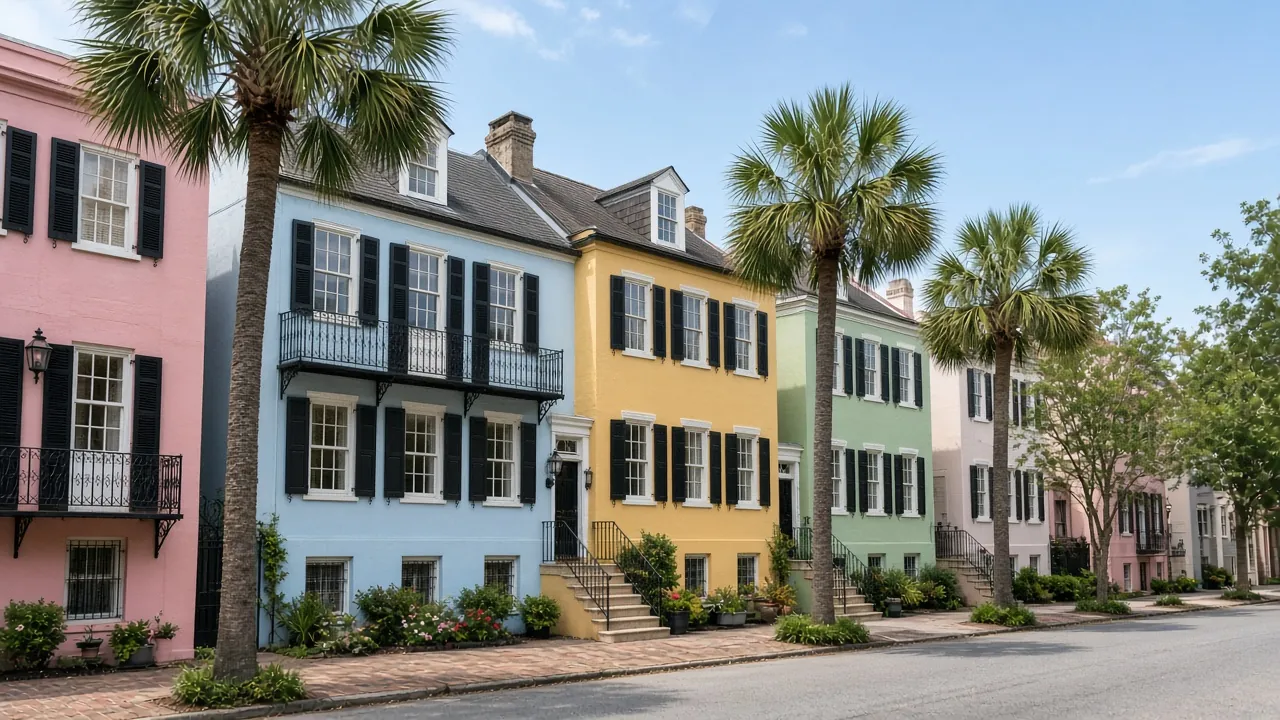
Waterfront Park and the pineapple fountain sit between the harbour and the lower streets, a useful pause in the heat. St. Michael's and the other churches of the peninsula give the skyline its steeples, and a short look inside, when a church is open to visitors, is part of the city's ordinary fabric. The streets are often uneven, and summer humidity makes a shorter walking loop wiser than a long one. Rainbow Row's pastel houses are among the most photographed fronts in the lower city; they are a pause, not a separate expedition.
Port landmarks
Shore Excursions
- Self-Guided: The French Quarter Charleston Solo Walking Tour – 1 h
- 1-hour Historic Residential Carriage Tour – 1 h
- Private Daytime Charter on Llibertat (36ft.) – 2 h 30 min
- Private Charter - Sunset Sail on Llibertat (36ft.) – 2 h 30 min
- Charleston Historic City Market & Sweet Treats Tour – 2 h
- Charleston Self-Guided Audio Walking Tour – 2 h