Cartagena, Spain
Ports
Home • Ports • Europe • Spain • Cartagena
About Cartagena
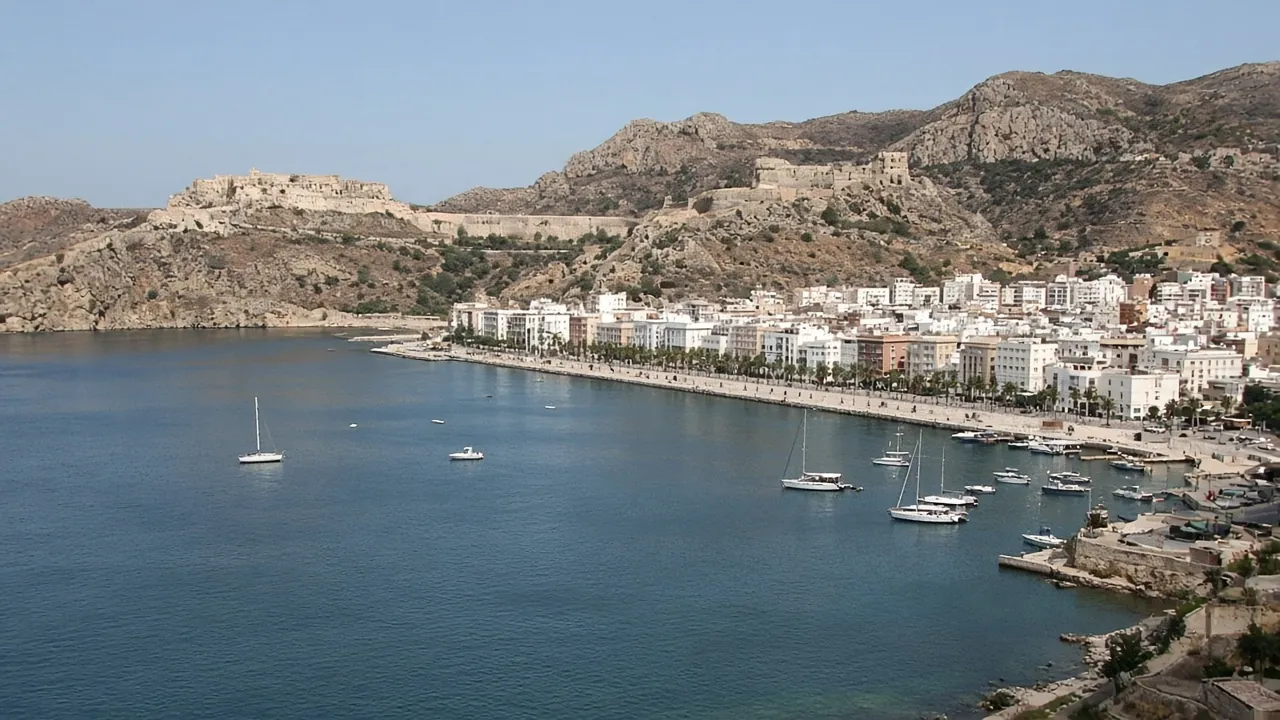
Cartagena sits on a deep, sheltered bay on Spain's Murcian coast, a naval city with a Roman theatre at its heart and a hilltop castle above the harbour. This is the Spanish Cartagena, not the Colombian city of the same name. Cruise ships berth in the commercial port; some quays leave you a short walk from the old streets, while others use a brief shuttle to the same gate. The Roman theatre, the sea walls and the harbour itself will fill a call without reaching inland to Murcia. Leave time for the return through the port, especially if you have climbed to Concejo or the castle.
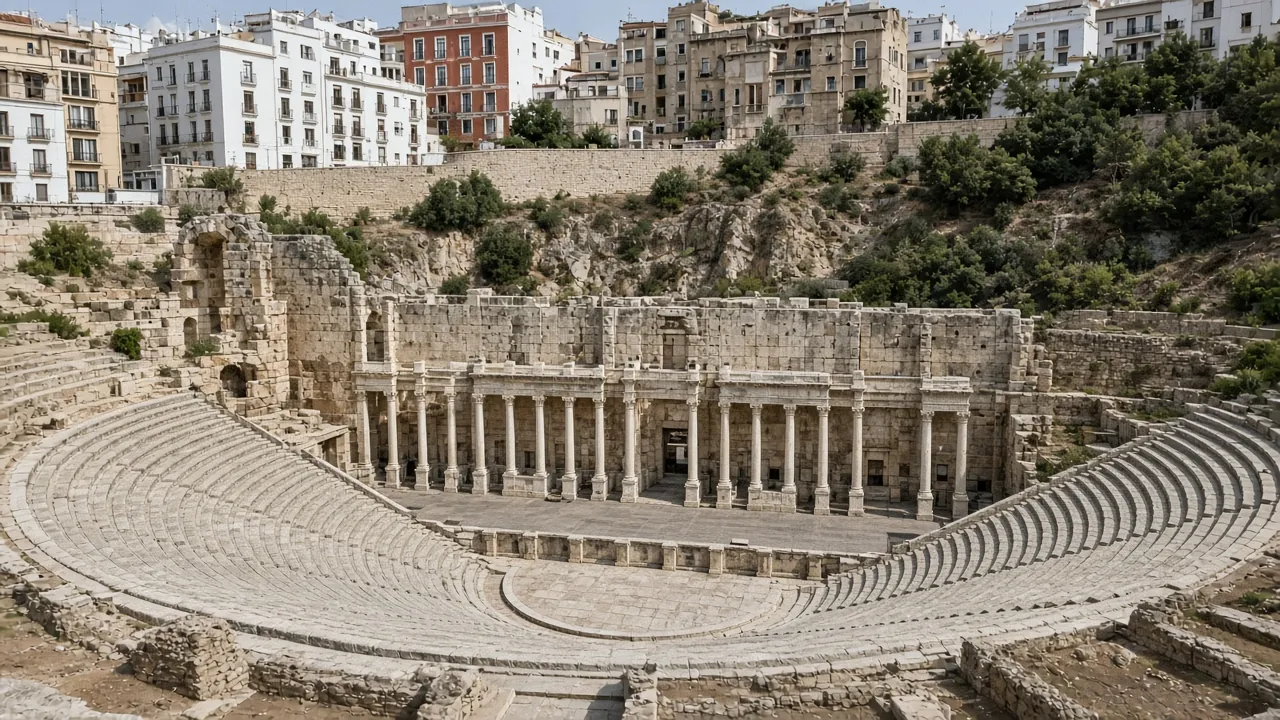
Cartagena has been a naval harbour for a very long time. The Carthaginians founded it as Qart Hadasht; the Romans knew it as Carthago Nova, and the great theatre they built into the hillside above the port is the first thing many visitors now come to see. It was excavated late, in the last decades of the twentieth century, and it sits in the middle of the old town, not out in a field. Above it, the castle of La Concepción looks over the harbour; below, the sea walls and the working naval base still give the city its character. This is the Spanish Cartagena, on the Murcian coast, and it should not be confused with Cartagena in Colombia.
Cruise ships berth in the commercial port. Some quays leave you a short walk into the old streets; others sit farther into the docks and use a brief shuttle to the same gate. The day's papers are worth a look before you assume a walk-off. Once you are through the gate, the Roman theatre, the harbour promenade and a few streets of the old town are close enough to fill a call without a long transfer. Murcia, the regional capital, is around forty-five minutes to an hour inland and will take a good part of the day if you go.
The theatre and its museum, the sea walls, and the climb to the castle make a natural first circuit. The National Museum of Underwater Archaeology, with the story of the wrecks off this coast, and the Peral, an early submarine, are close additions if the hours are generous. The heat in summer is serious, and the shade of the old streets is worth seeking out from the start. Cabo Palos and the Calblanque shore are longer coastal outings, not a short run from the gate.
Food is Murcian and of the harbour: fish, caldero rice, and tapas in the streets behind the theatre. Spanish is the language of the city; English is used around the port and the main visitor sites, more thinly once you leave them. The light is Mediterranean and often hard at midday.
A day that stays with the theatre, the walls and the harbour, with time left for the shuttle or the walk back through the port, will have seen the city that ships actually call for. Leave a margin for the return, especially if you have climbed the hill or gone inland toward Murcia, and come back to this harbour, not to another town on the same coast.
Port landmarks
Shore Excursions
- Cartagena - The Emblematic Short Walking Tour – 2 h
- Murcia Walking Tour – 4 h
- Cartagena - Explore Purebred Spanish Horses and Savour Local Gastronomy – 2 h
- Electric Bike Adventure through Cartagena – 2 h
- Cartagena Shore Excursion – 8 h
- Cartagena Foodie Experience – 3 h 45 min
- Special Murcia And Cartagena Private Tour – 6 h
- Cartagena Highlights Shore Excursion Private Walking Tour – 4 h
- Small Group Cartagena and Murcia Shore Excursion – 7 h