Burnie, Australia
Ports
Home • Ports • Asia • Australia • Burnie
About Burnie
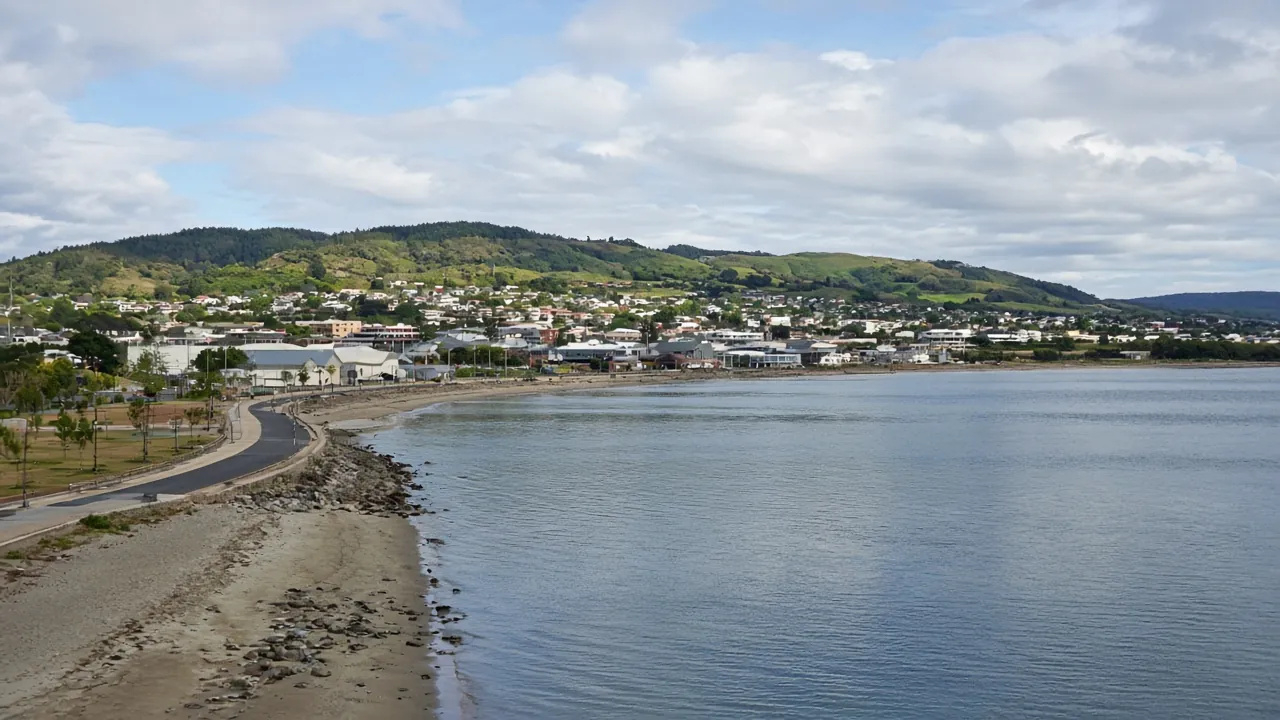
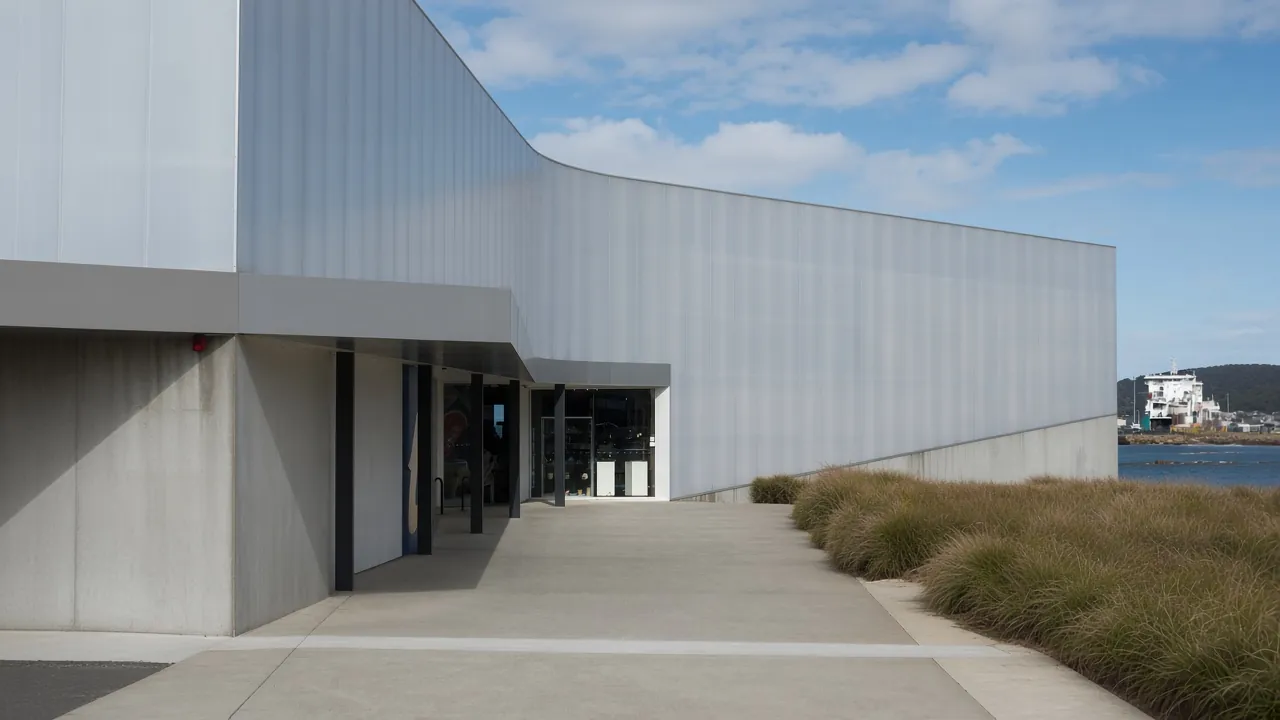
Burnie is a port city on Tasmania's north-west coast, on Emu Bay, smaller and more workaday than Hobart, with a waterfront that has grown from a paper and industrial town into a modest civic shore. The Makers Workshop, the beach and the headland walks are the close-in stops; the central north coast is also a base for drives toward the tablelands of the interior. Cruise ships berth in the harbour, a short way from the town centre, so you can be ashore and in the streets without a long transfer. A first day is better spent in town and along the bay than on a rushed crossing of the island.
Burnie faces Emu Bay on a curve of the Bass Strait shore, with a waterfront park, a beach and a civic centre that still shows its origin as a working industrial town — paper, mining and a deep-water port — rather than as a planned tourist capital. The Makers Workshop, on the shore, is the most useful first stop: a visitor centre and making space that introduces the region's crafts and the older paper story, with views of the bay. From there the beach and the coastal path are the natural circuit. The town is hilly in places, compact, and honest about being a regional city; that is part of its interest.
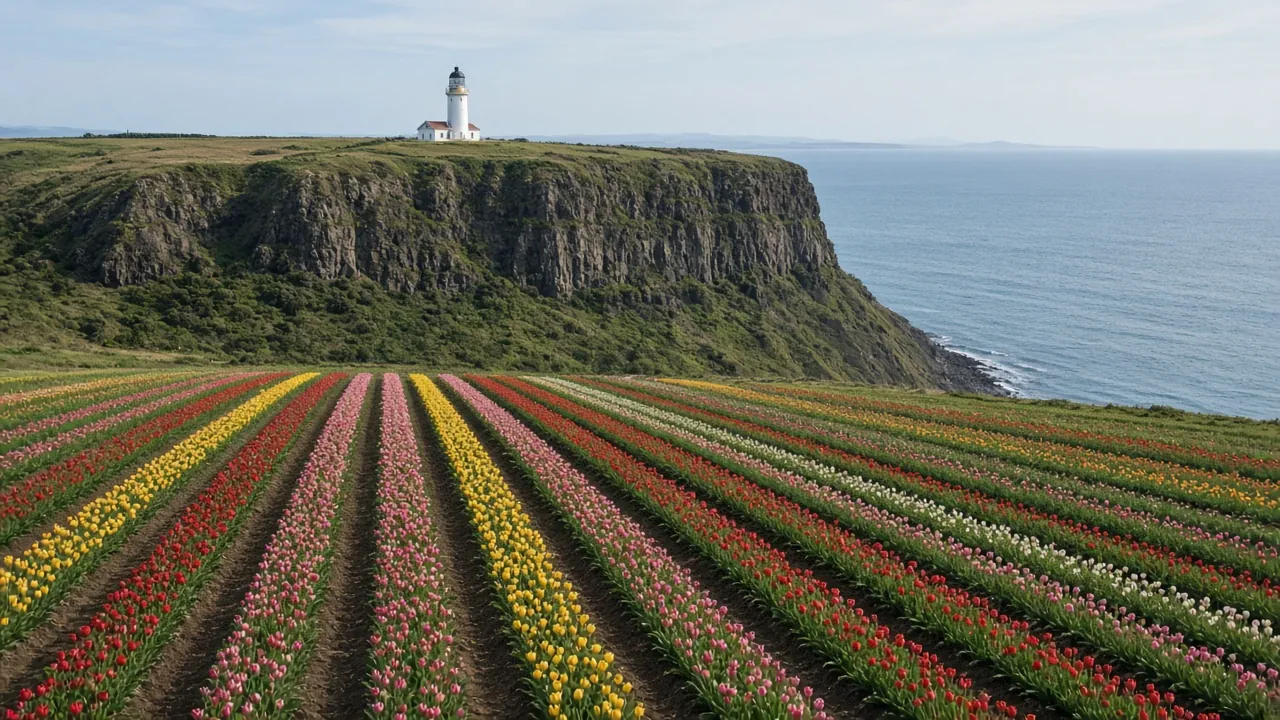
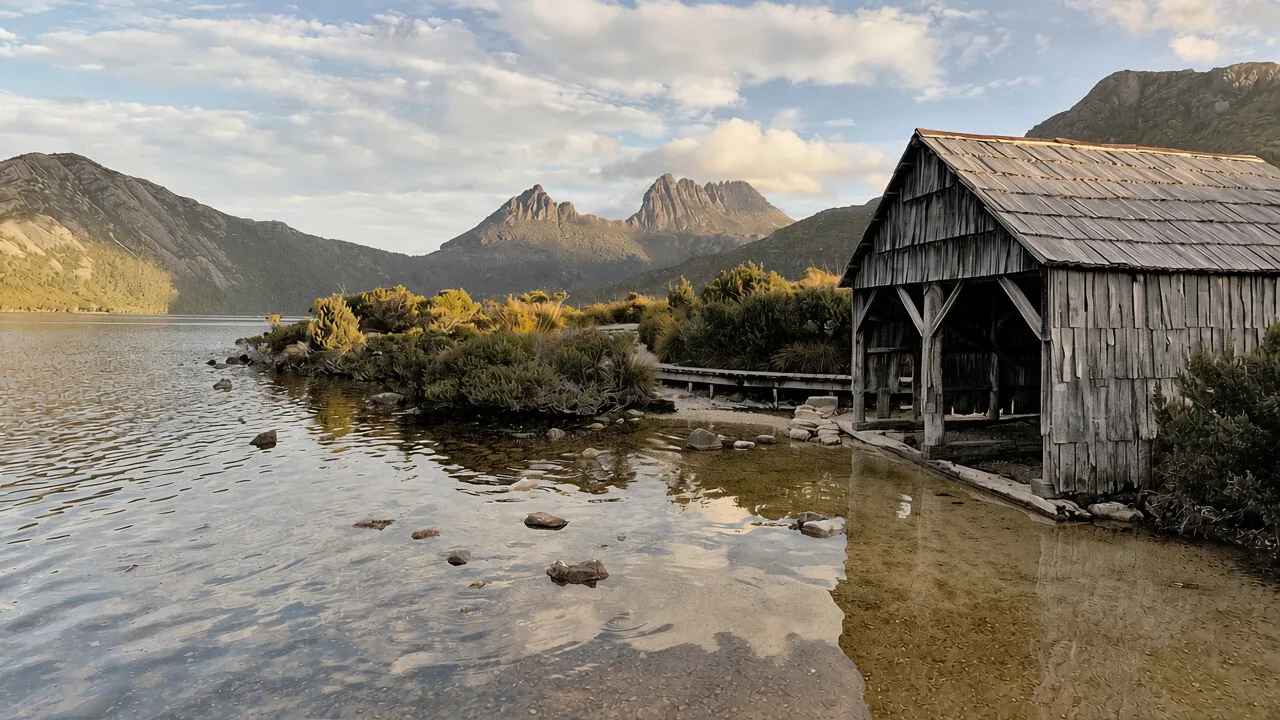
The north-west coast around Burnie is a landscape of agricultural hinterland, timbered hills and, further inland, the plateau country that leads toward Cradle Mountain–Lake St Clair National Park. Cradle Mountain itself is a beautiful, serious outing and a longish drive; it only fits a port day if the call is long and the tour or car is already arranged, with a conservative return. Closer to town, coastal drives toward Penguin or Table Cape are more realistic if you want a view beyond the bay.
Food is Tasmanian and informal: local cheese, seafood and café cooking, without the density of restaurants you would find in Hobart. Lunch near the waterfront or in the centre is the practical choice.
Ships berth in the port, close enough that the town is a short walk or a very short ride, not a transfer of the Adelaide or Brisbane kind. A good first day stays in Burnie: the workshop, the beach, a look at the civic streets, and time to come back without rushing. If you do go inland, treat it as the whole day and watch the clock. The weather on this coast can change quickly, and the attraction of the place is ordinary and local — a working Tasmanian city on a wide bay — rather than a list of famous monuments. The Burnie Regional Art Gallery and the civic streets just above the shore add a little indoor and town-centre time if the wind is up on the bay. Round Hill, at the edge of the city, is a short ride to a lookout over Emu Bay and the western approaches, a useful view if you want to understand the setting without leaving the district. The town of Penguin, along the coast to the east, is a separate small settlement with its own foreshore, close enough for a short drive, not a walk. Burnie is at its best when you take it as a regional Tasmanian city — work, weather and a wide beach — rather than as a list of famous names.
Port landmarks