Buenos Aires, Argentina
Ports
Home • Ports • America • Argentina • Buenos Aires
See all 34 tours in Buenos Aires
About Buenos Aires
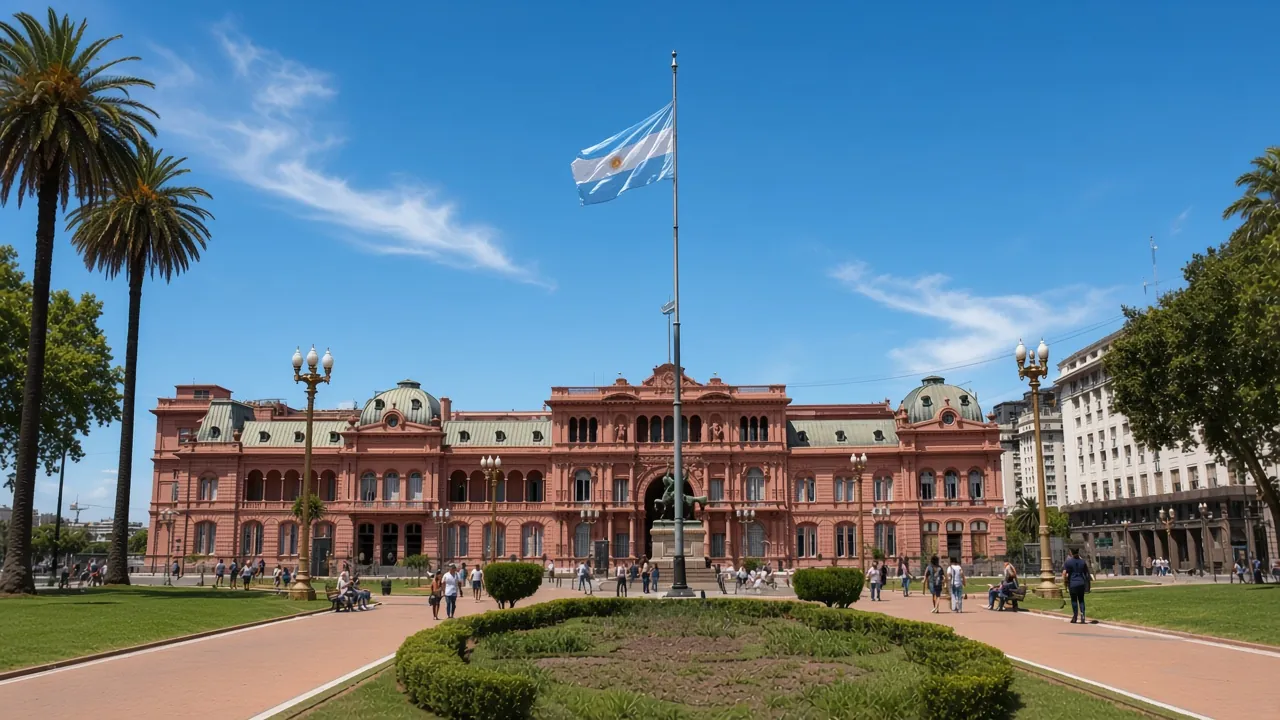
Buenos Aires is Argentina's capital, a vast city on the brown estuary of the Río de la Plata, known for its grid of avenues, café culture, tango and a dense mix of European and local architecture. The historic centre gathers around Plaza de Mayo and the Casa Rosada; to the south, the older streets of San Telmo and the waterfront of La Boca are the usual first walks. The cruise terminal sits near the redeveloped docks of Puerto Madero, a short way from the centre, comfortable on foot if you have time or a short taxi ride if you do not. A first day is better spent in a few neighbourhoods than in a race across the whole city.
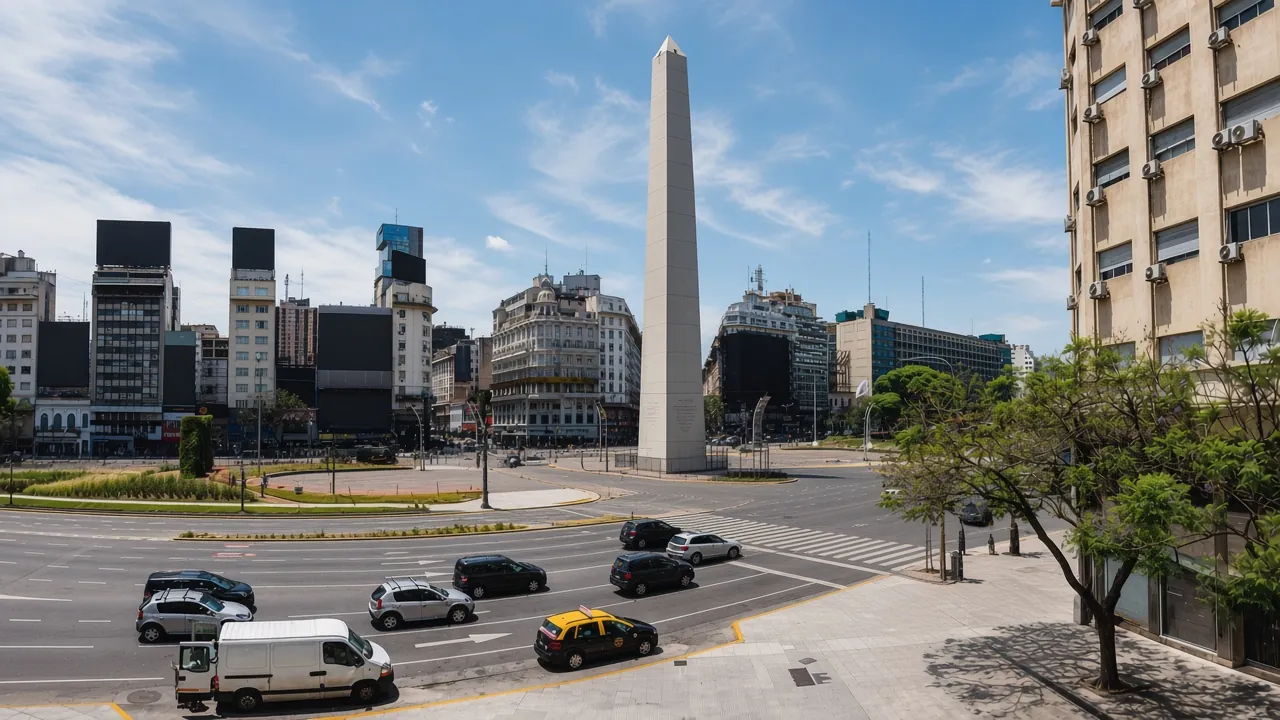
Plaza de Mayo is the civic starting point: the Casa Rosada on one side, the metropolitan cathedral nearby, and a square that has been the stage of Argentine public life since the colonial city was refounded in 1580 by Juan de Garay. From here the old grid opens into Avenida de Mayo and, a little further, the Obelisco and the great width of Avenida 9 de Julio. The scale is metropolitan; even a short list of names will fill a day if you try to treat them all as stops. It is better to walk one axis well than to collect facades from a moving taxi.
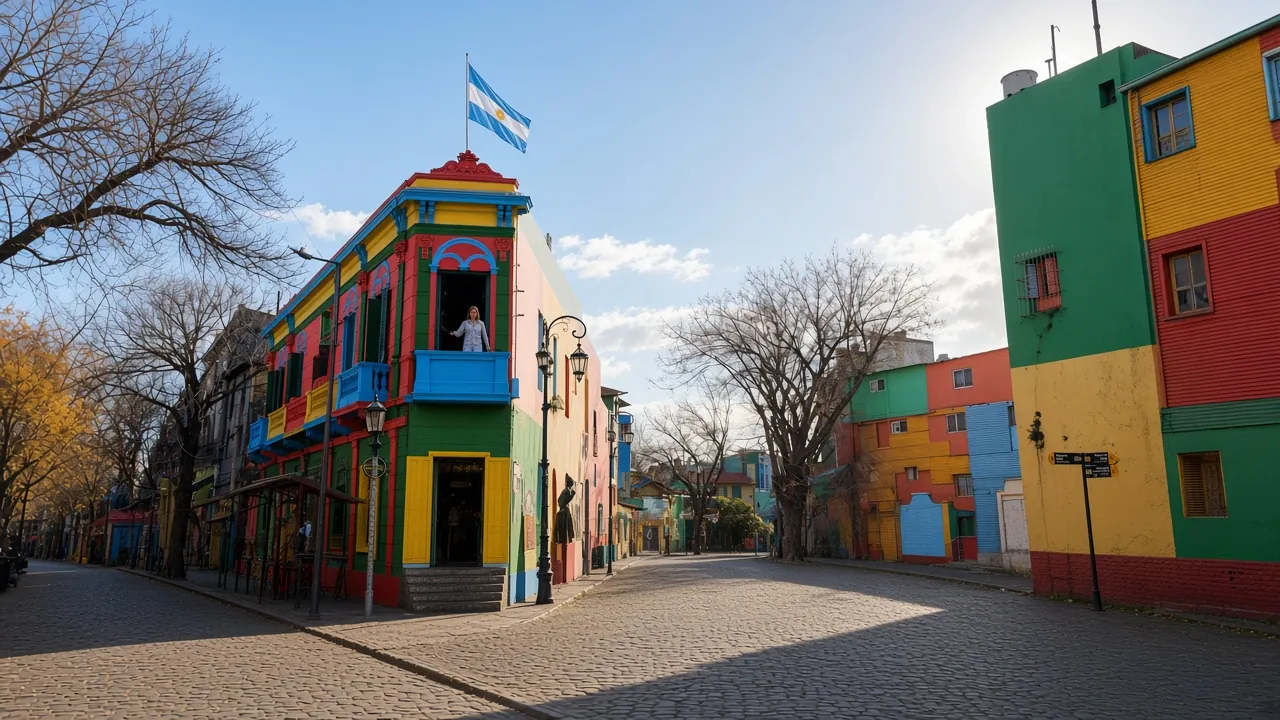
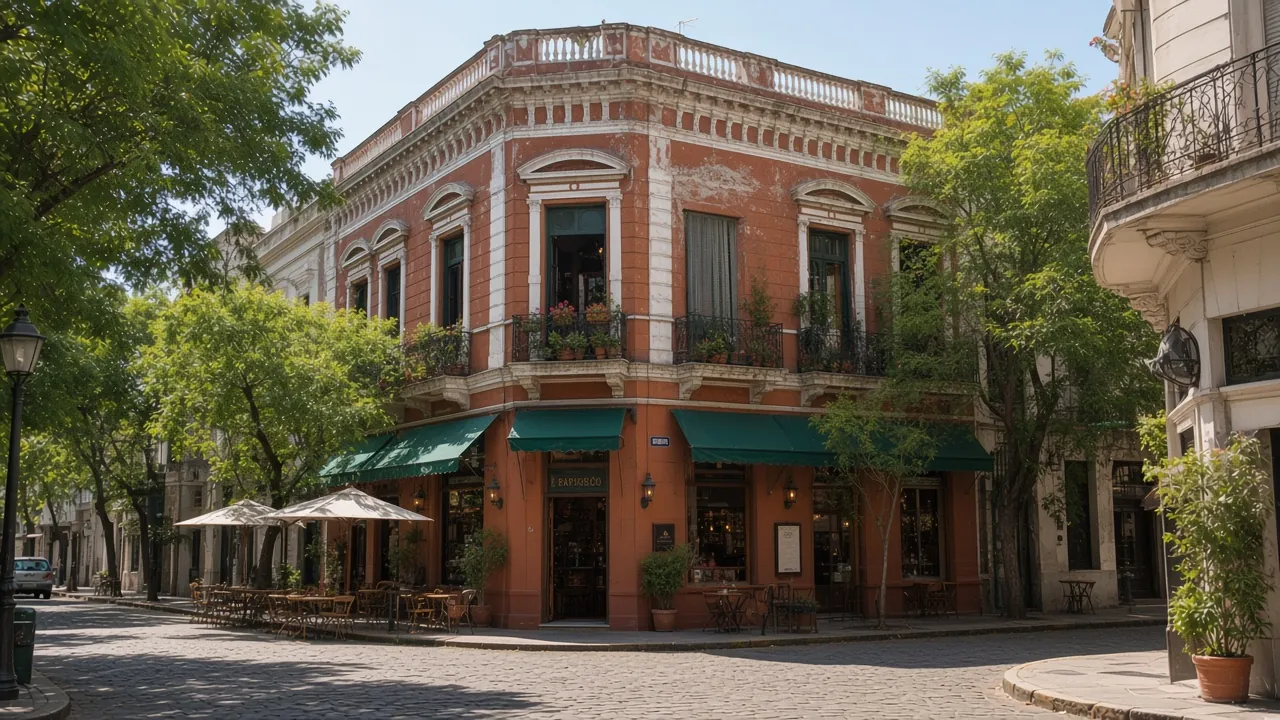
South of the centre, San Telmo is the older, lower-rise neighbourhood, with a Sunday antiques fair around Plaza Dorrego when the day coincides, cobbled side streets and a café culture that still feels local as well as touristic. Further on, La Boca is known for the brightly painted metal houses of Caminito, a short, very visited pedestrian street, and for the Boca Juniors football ground at La Bombonera. Caminito is lively and compact; it is also one small corner of a working riverside district, not a model of the whole city. Puerto Madero, by contrast, is the rebuilt docklands closest to many cruise berths: brick warehouses, wide promenades and a more recent skyline along the old basins, useful as a walk if you come ashore here, but not a substitute for the historic centre.
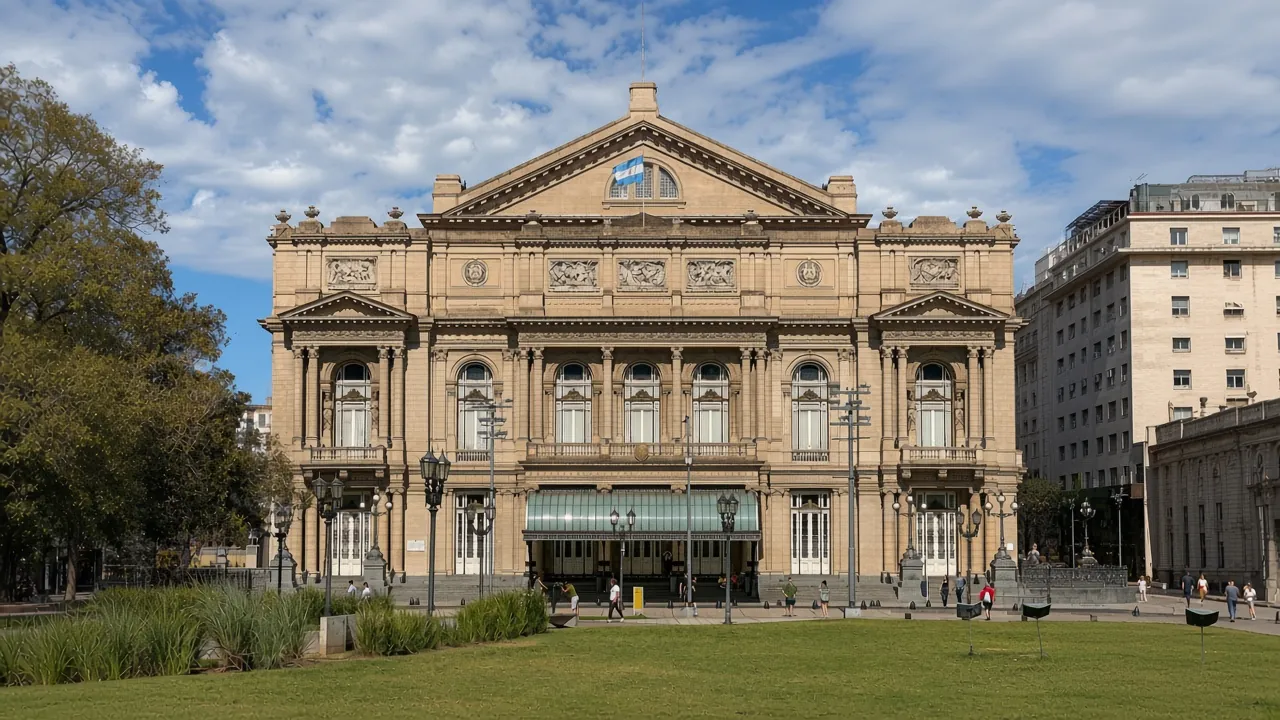
Recoleta, to the north of the centre, holds the famous cemetery, a dense city of family vaults where Eva Perón is buried, and a neighbourhood of palaces and wide pavements. The Teatro Colón, in the heart of the city, is one of the world's major opera houses; a tour or a performance is a planned event, not a casual look through a door. Food is central to the city's idea of itself: parrilla and beef, Italian-influenced pasta and pizza, cafés of milanesas and coffee, and wine from Mendoza on many lists. Lunch in San Telmo or the centre is an easier first-day plan than a long dinner transfer.
From the cruise terminal, Puerto Madero is the closest walk. Plaza de Mayo is further but still within a determined walk or a short taxi ride; San Telmo and La Boca are the next steps south; Recoleta is a separate move north. A sensible first day picks two neighbourhoods — for example the plaza and San Telmo, or Puerto Madero and Recoleta — and leaves the rest for another time. Taxis and ride-hailing are widely used; allow extra time in weekday traffic, and keep a clear plan for the return through the terminal.
Port landmarks
Shore Excursions
- Madero Tango VIP Dinner & Show – 3 h
- San Antonio De Areco And Lujan Day Trip From Buenos Aires – 1 h
- Buenos Aires By Night Private Tour With All-inclusive Dinner – 4 h
- Buenos Aires City Tour with Airport/Cruise Port Transfer- Shared or Private – 5 h
- Buenos Aires Private City Tour – 4 h
- Customizable Food Tour of Palermo Viejo – 3 h 30 min
- Shore Excursion: Private Day Tour To Tigre & Parana Delta – 6 h 30 min
- Shore Excursion: Private Buenos Aires By Night With Dinner – 4 h
- Shared Day Trip To Tigre And Parana Delta From Buenos Aires – 7 h
- Shore Excursion: Bike Tour - Buenos Aires North Circuit – 3 h 30 min
- Farm & Countryside Tour – 9 h
- Buenos Aires City Tour at Night – 3 h
- Small Group Craft Beer Adventure Colegiales – 4 h
- Private Half Day Street Art and Graffiti Tour – 4 h
- Buenos Aires Shore Excursion - Asado Cooking Class with Port Transfers – 5 h
- La Ventana Tango Show – 2 h
- Asado Experience and Street Art Tour in Palermo Viejo – 5 h
- Private Jewish Day Tour of Buenos Aires – 3 h
- Private Tour To Tigre And The Parana Delta – 7 h
- Private Highlights of Buenos Aires Tour – 3 h
- Private City Tour Of Buenos Aires – 7 h
- El Aljibe Early Dinner + Tango Show – 2 h
- Shore Excursion: Private Buenos Aires City Tour – 3 h
- Shore Excursion: Shared Buenos Aires City Tour – 3 h
- Shore Excursion: Buenos Aires City Tour by Bus – 3 h
- Small Group Buenos Aires By Night With All Inclusive Dinner – 4 h
- Shore Excursion: Shared Buenos Aires Tour By Night With Dinner – 4 h
- Shore Excursion: Shared Day Trip To Tigre And Parana Delta – 7 h
- Custom Buenos Aires City Tour – 7 h
- Buenos Aires City Tour – 3 h
- Famous Rojo Tango Dinner & Show – 2 h
- Rooftop Barbecue: Asado & Argentinean Flavors. #1 RANKED EXPERIENCE – 2 h 30 min
- Shore Excursion: Gaucho Day Trip at Santa Susana Ranch – 8 h
- Tigre Delta Tour by Boat and Van with Optional Snacks – 5 h 30 min