Brisbane, Australia
Ports
Home • Ports • Asia • Australia • Brisbane
About Brisbane
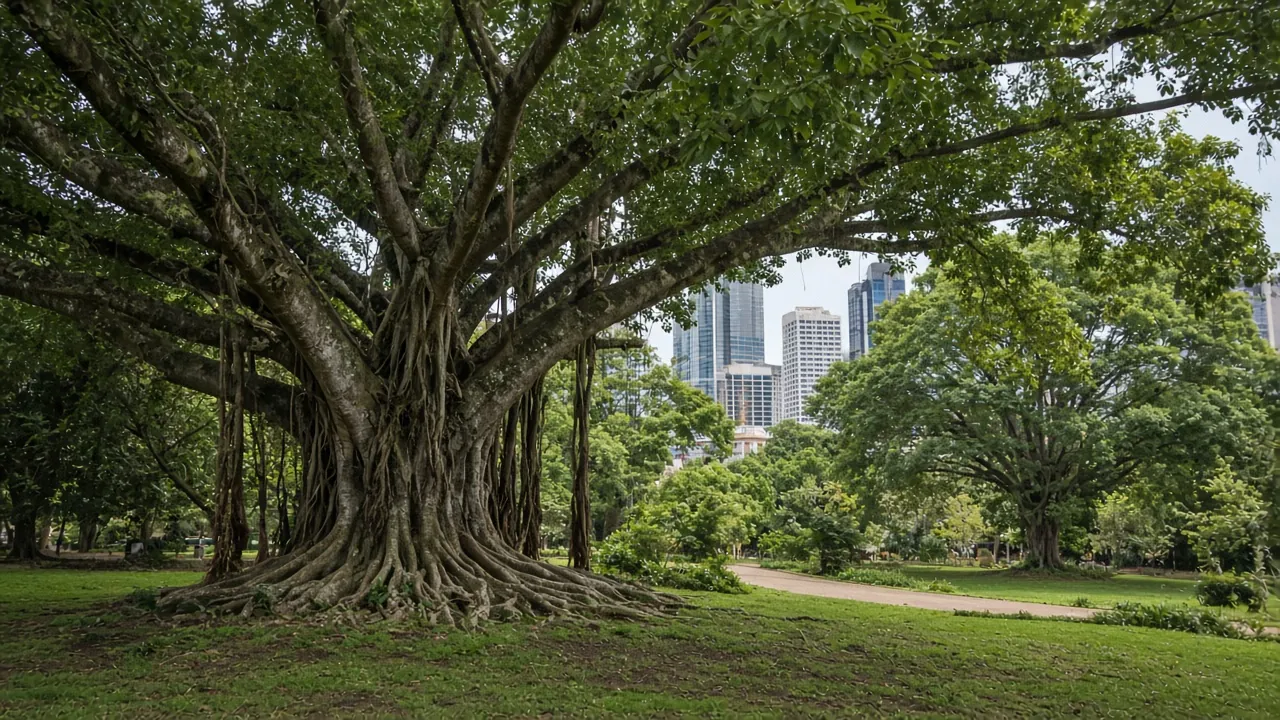
Brisbane is the capital of Queensland, a subtropical river city of informal streets, fig trees and a bend of the Brisbane River between South Bank and the central business district. The riverside park at South Bank, the cultural buildings beside it and the older streets around the botanic gardens are the easy heart of a first visit. Cruise ships usually berth at the Brisbane International Cruise Terminal at Luggage Point in Pinkenba, about 20 kilometres from the city — not a walk, and there is no public transport to the terminal. A taxi, rideshare or ship shuttle is the normal first step; allow time for the drive back.
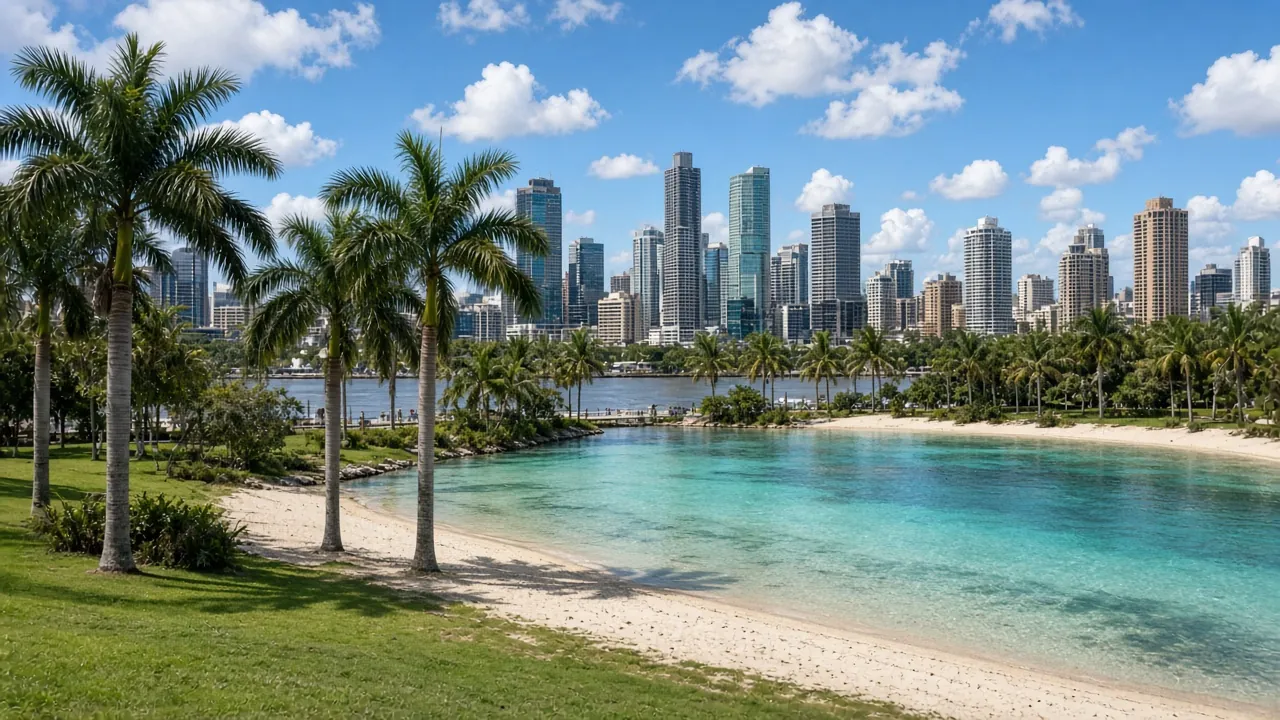
South Bank is the easy civic park of the city: lawns and a swimming lagoon on the river, the Queensland Cultural Centre, the art gallery and the performing-arts buildings, all facing the towers of the central business district across the water. A river walk, a ferry or the bridges will take you from one bank to the other. The City Botanic Gardens and the older government precinct sit at the northern bend of the same loop; New Farm and the Teneriffe riverside, a little further downstream, add converted warehouses and a slower neighbourhood pace if you have time. The climate is subtropical, the trees are generous, and the city is more informal than Sydney or Melbourne, with a habit of living outdoors along the river.
The centre itself is a mix of older sandstone civic buildings and a later high-rise grid, with Queen Street Mall as the main pedestrian shopping street. Lone Pine Koala Sanctuary, upriver, is a well-known animal park and a trip that needs its own hours, not a stop on a casual city walk. The same is true of Moreton Island or the Gold Coast: they belong to a longer day and a reliable transfer back to Luggage Point, which is not in the middle of town.
Food in Brisbane is casual and good: cafés, a strong coffee culture, riverside restaurants at South Bank and in the inner suburbs, and a mix of Australian and Asian cooking that reflects the city. Lunch on the river is the simple first-day plan.
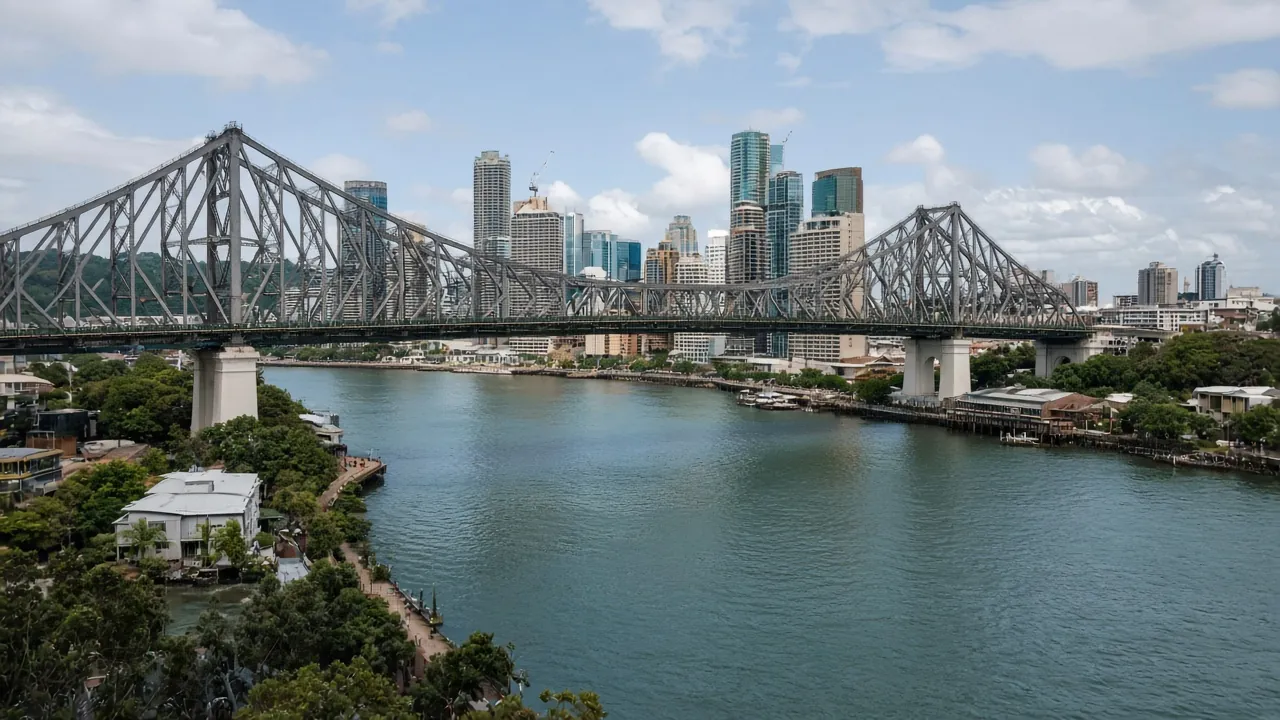
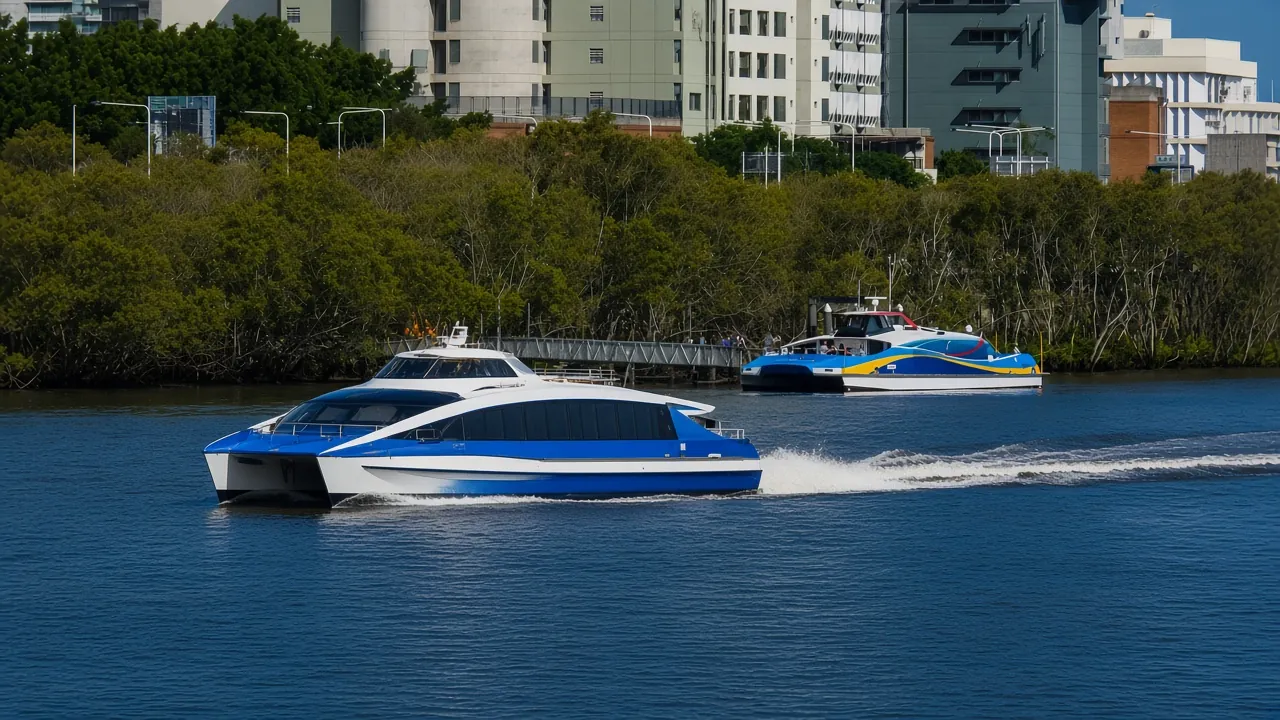
The practical constraint is the terminal. The Brisbane International Cruise Terminal at Luggage Point in Pinkenba is about 20 kilometres and around half an hour by road from the centre, in an industrial corner of the river mouth, with no train or bus to the door. Taxis and rideshare are the ordinary independent options; some ships run a city shuttle on port-call days. There is nothing to walk to from the gate. Plan the outbound ride, the time in South Bank or the gardens, and a return that starts early enough to absorb traffic. If your ship is one of the smaller vessels still using an older riverside berth closer in, the geography will be kinder, but you should not assume that: check where you are actually alongside before you set a walking plan. CityCat and other river ferries are a pleasant way to see the city from the water once you are in town, and the Story Bridge is the steel span that most clearly marks the reach of the older centre. None of this solves the terminal problem; it only makes the hours in the city better once you have arrived.
Port landmarks
Shore Excursions
- Private Australia Zoo & Scenic Reserve or Caloundra Tour – 9 h
- Half-Day Bike Hire – 4 h
- Day Kayak Adventure – 1 h 30 min
- Private Brisbane Tour with Lone Pine Koala Sanctuary – 6 h
- Day Abseil Adventure – 2 h
- Private Brisbane Shore Excursion With Return Transfers – 6 h
- Full Day Bike Hire – 8 h
- Day Rock Climb Adventure – 2 h
- Twilight Abseil Adventure – 1 h 30 min
- Private Welcome to Brisbane Sightseeing Tour – 6 h
- Private Sunshine Coast Hinterland Scenic Views Tour – 9 h
- Aquaduck Gold Coast Tour – 1 h
- Private Mount Tamborine and Gold Coast Winery Tour – 9 h
- Best of Brisbane Full Day Brewery Tour – 6 h
- Private Custom Highlights & Hidden Gems Full-Day Tour of Brisbane – 4 h
- Dash Of Brisbane Half Day Brewery Tour – 4 h
- Private Tour of Noosa Heads & Eumundi Markets – 9 h
- Private Full-Day Gold Coast and Surfers Paradise Tour – 9 h
- Kayak Hire on the Brisbane River – 2 h
- Twilight Kayak Adventure – 1 h 30 min