Bordeaux, France
Ports
Home • Ports • Europe • France • Bordeaux
About Bordeaux
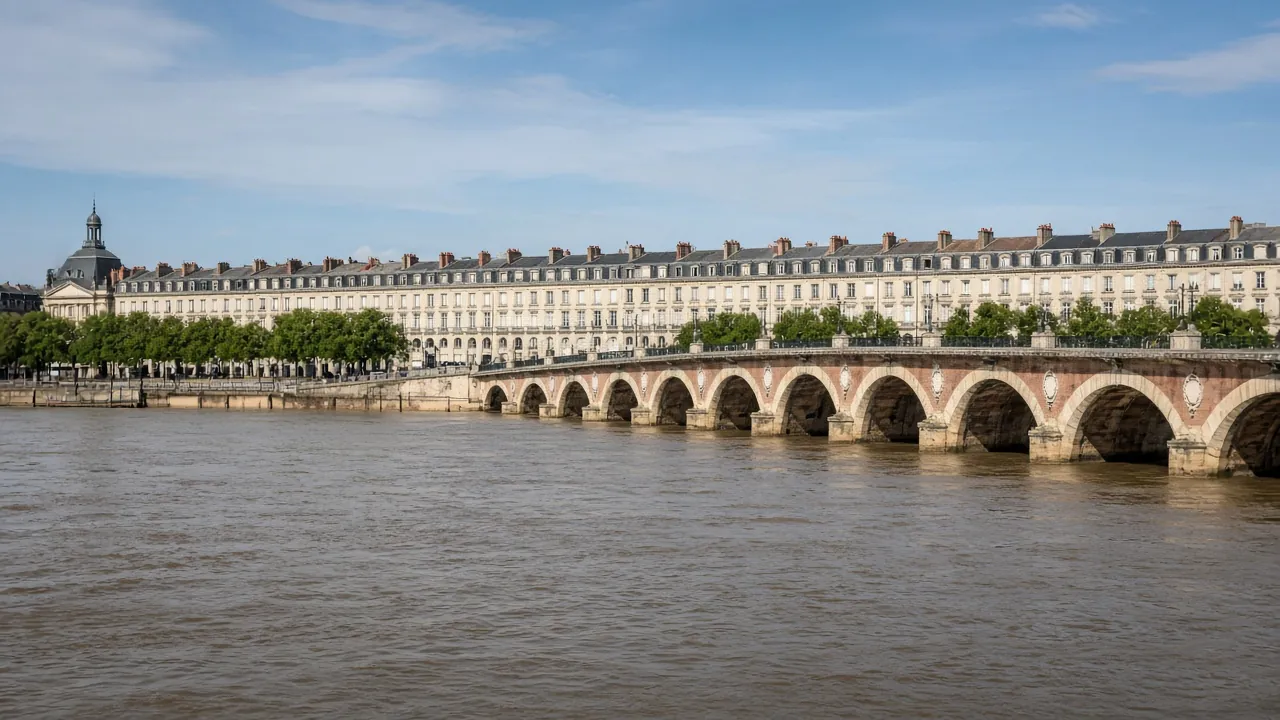
Bordeaux sits on a wide curve of the Garonne in southwest France, a UNESCO-listed port city of pale classical façades and a later wine trade that still shapes the streets. Some ships can berth close to the centre or at the Bassins à flot, within reach of the historic quays; larger vessels may use Pauillac or Le Verdon farther down the estuary, with a transfer that will take a good part of the clock. The berth in use is worth knowing in advance, because the first move changes with it. A first day in the city itself is the stone riverfront, not a long run through every vineyard.
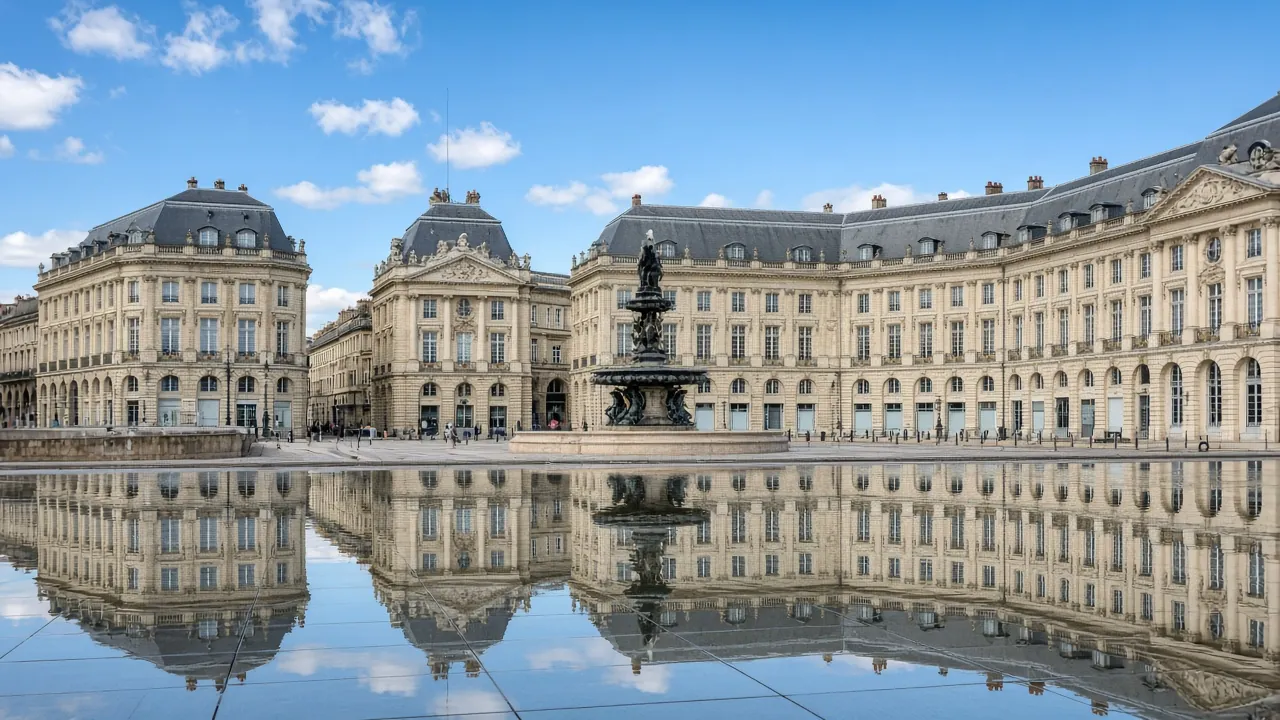
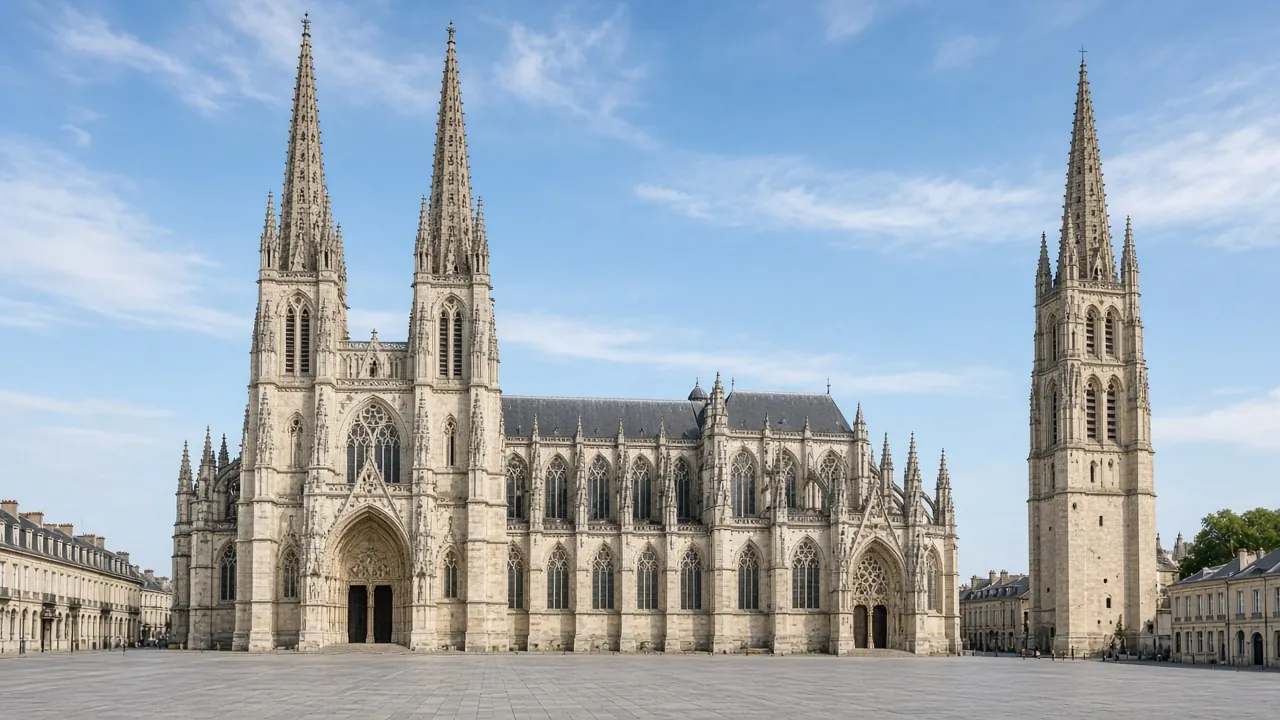
The civic heart is the river and the eighteenth-century front that faces it: the Place de la Bourse and the reflecting pool, the stone quays, and a walkable historic centre of squares, later shops and a serious café life. The waterfront is the first visit, and it is already a complete one if you walk it slowly, cross into the inner streets, and stop for lunch. Saint-André cathedral and a few civic interiors will add a layer if you want one; you do not need a second itinerary. The Bassins à flot, a later dock district, is part of some closer landings and has its own, more industrial charm; it is not a substitute for the classical river if you have come a long way.
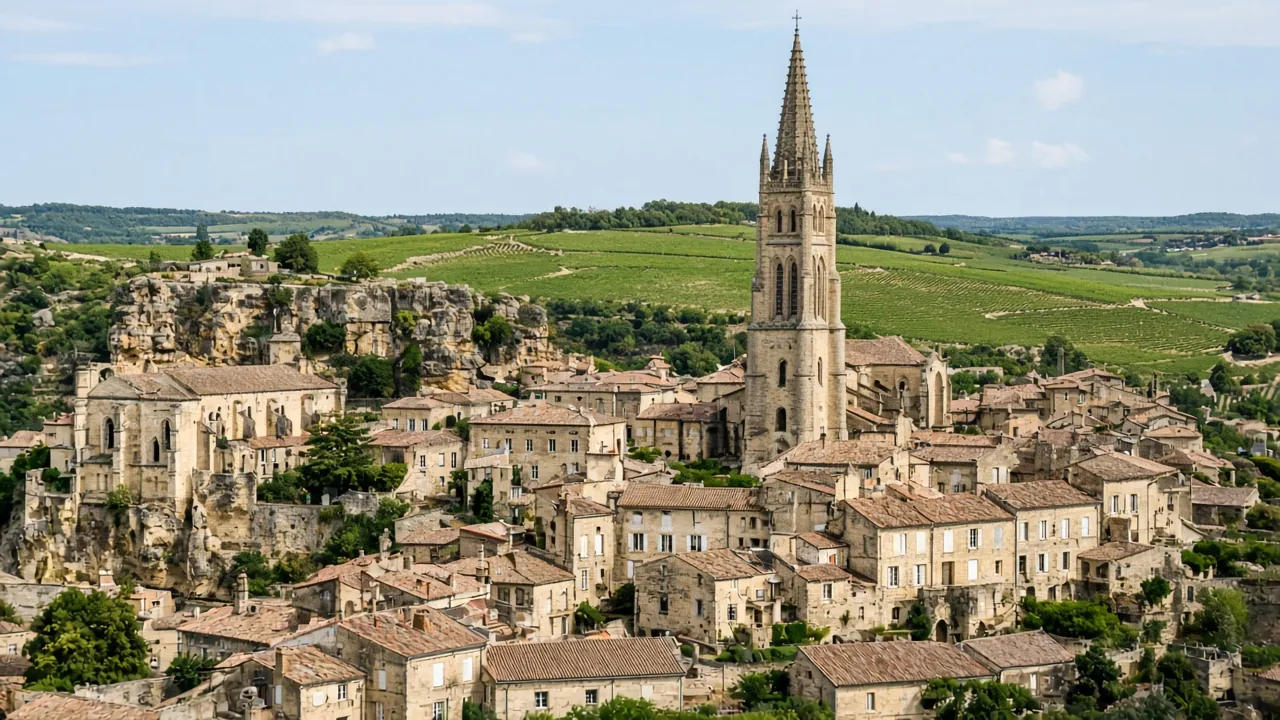
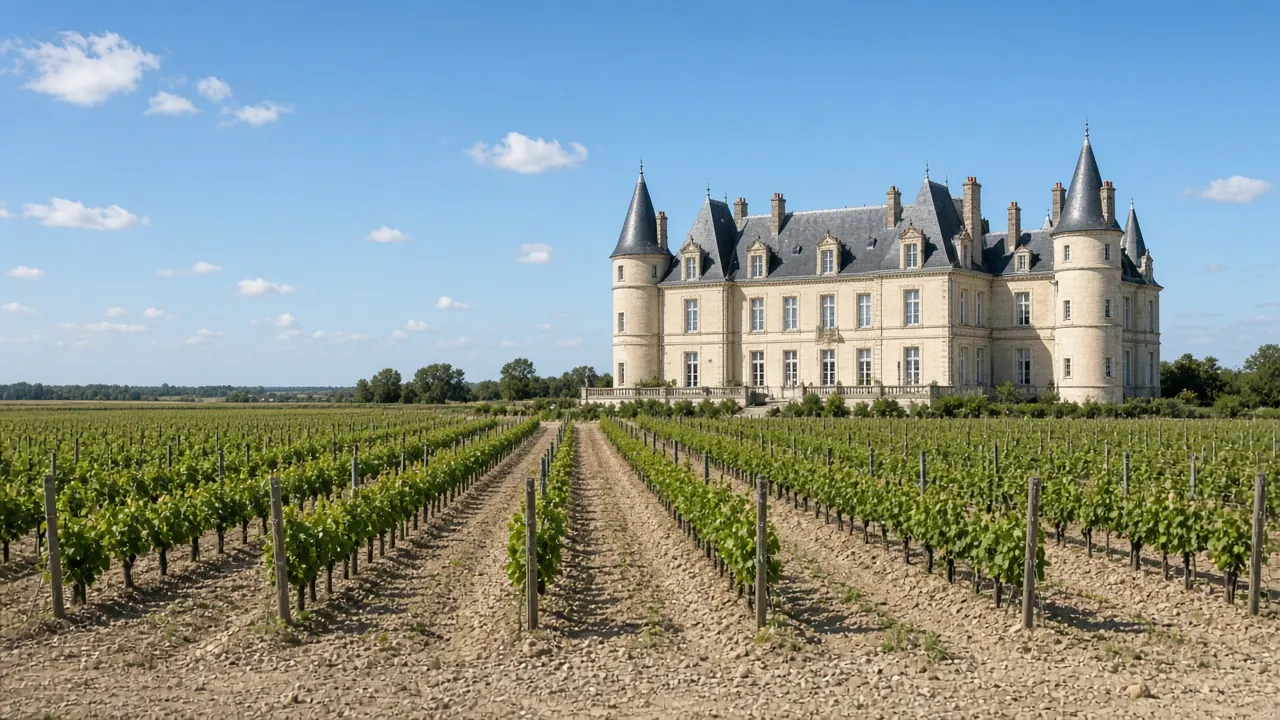
Wine is the city's older trade and a real outing: Saint-Émilion, the Médoc, and closer cellars can all be reached by a planned transfer. Any one of these will consume a good part of a day. It is worth doing if the hours and a reliable return are already arranged, and if you have not also planned a long walk in the centre. It is a poor last-minute addition after a late start in town, especially if your ship is not in Bordeaux itself. The vineyards are the landscape; the city is the first harbour.
Food is one of Bordeaux's pleasures: southwestern cooking, wine, markets and a dense restaurant scene along the river and in the inner streets. Lunch in the centre is the easy plan.
If you have berthed in the city or at the Bassins à flot, the walk or a short tram may be enough. If you have come from Pauillac or Le Verdon, the transfer is the first fact of the day: build it into the outbound and the return, and do not treat the estuary as a short taxi hop. A first day on the stone quays, with or without one wine outing, is a complete visit. A first day that tries to collect the city, a classified village and a second château will be spent on the road. Come back earlier than you think you need. The Garonne front, taken slowly, is the visit you will remember. The river weather can be warm in summer and wet in other seasons, so a plan that does not depend on a long outdoor wait will serve you well. If you have come from down the estuary, treat the transfer as part of the day, as something worth leaving time for. The stone quays, a meal and one well-timed outing already make a complete first call in this wine port.
Port landmarks
Shore Excursions
- Bordeaux Food Tour: Cannelé & Local Wine – 3 h 30 min
- Private Sauternes Sweet Wine Tasting Experience from Bordeaux – 8 h
- Private Saint-Émilion Village Tour & Pomerol Grand Cru Wine Tour – 8 h
- Private Margaux & Médoc Wine Tour with Classified Châteaux Tastings – 8 h
- Médoc Wine Tasting & Private Shore Excursion from Pauillac Port – 6 h
- Immersive 3-Hour Guided Bike Tour of Historic Bordeaux – 3 h
- Walking Tour in Bordeaux with Tastings and Stories – 2 h
- Immersive 3-Hour E-Bike City Tour of Historic Bordeaux – 3 h
- Explore Bordeaux on a Bike Tour with Wine Tasting – 3 h 30 min
- Bordeaux Old Vintage Wine Tasting Experience – 1 h
- Guided Half-Day Saint-Émilion E-Bike Wine Tour with Wine Tasting – 4 h
- Private Pessac-Léognan Wine Tour with Tastings in Graves Region – 8 h
- Private Grand Cru Classé Wine Experience in Médoc’s Left Bank – 8 h