Bilbao, Spain
Ports
Home • Ports • Europe • Spain • Bilbao
About Bilbao
Santurtzi and the neighbouring quays sit on the Nervión estuary, the working mouth of the port of Bilbao, a short way downriver from the Basque city's later centre and the Guggenheim. This listing is the Santurtzi side of the estuary; many cruise ships instead use the Getxo pier on the opposite bank, and the two landings are a metro or a taxi apart, not a walk. From either shore, Bilbao's galleries and the old town at Casco Viejo are twenty to thirty minutes by metro or taxi, not a stroll from the gangway. The estuary towns have their own harbour character, fishing boats and promenades. The berth on the day's papers is worth knowing before you plan a route to the museum.
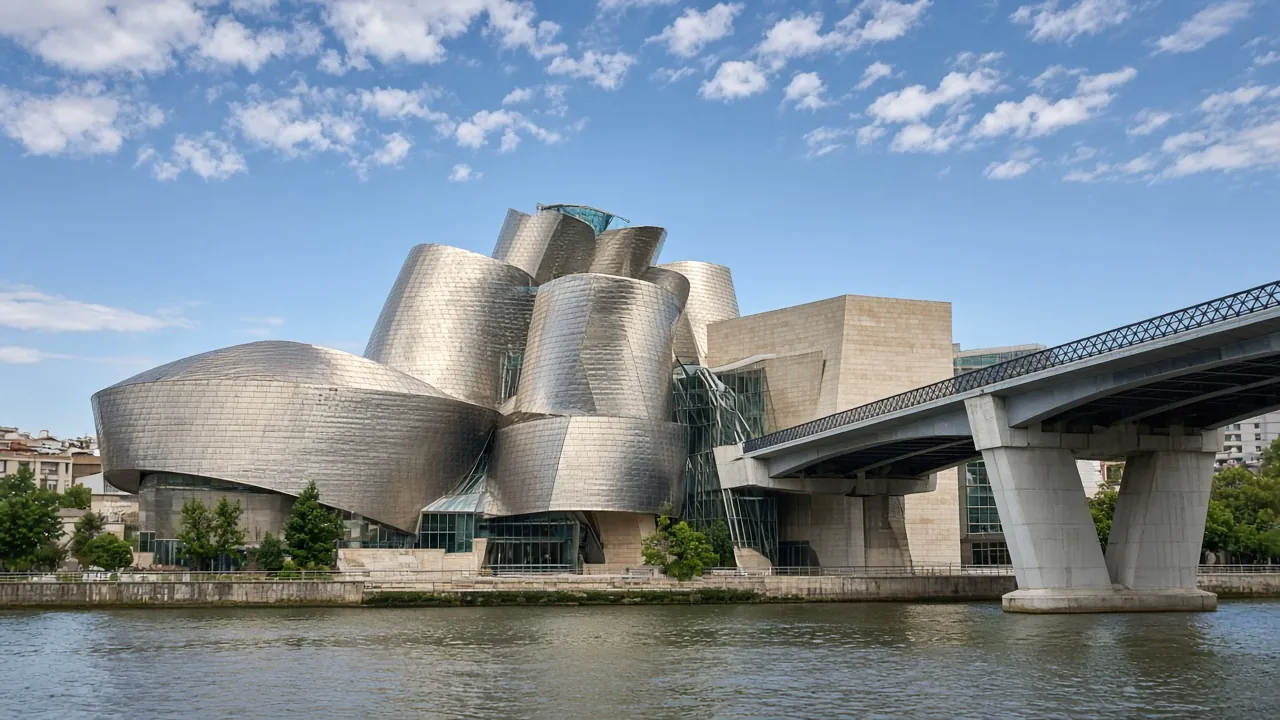
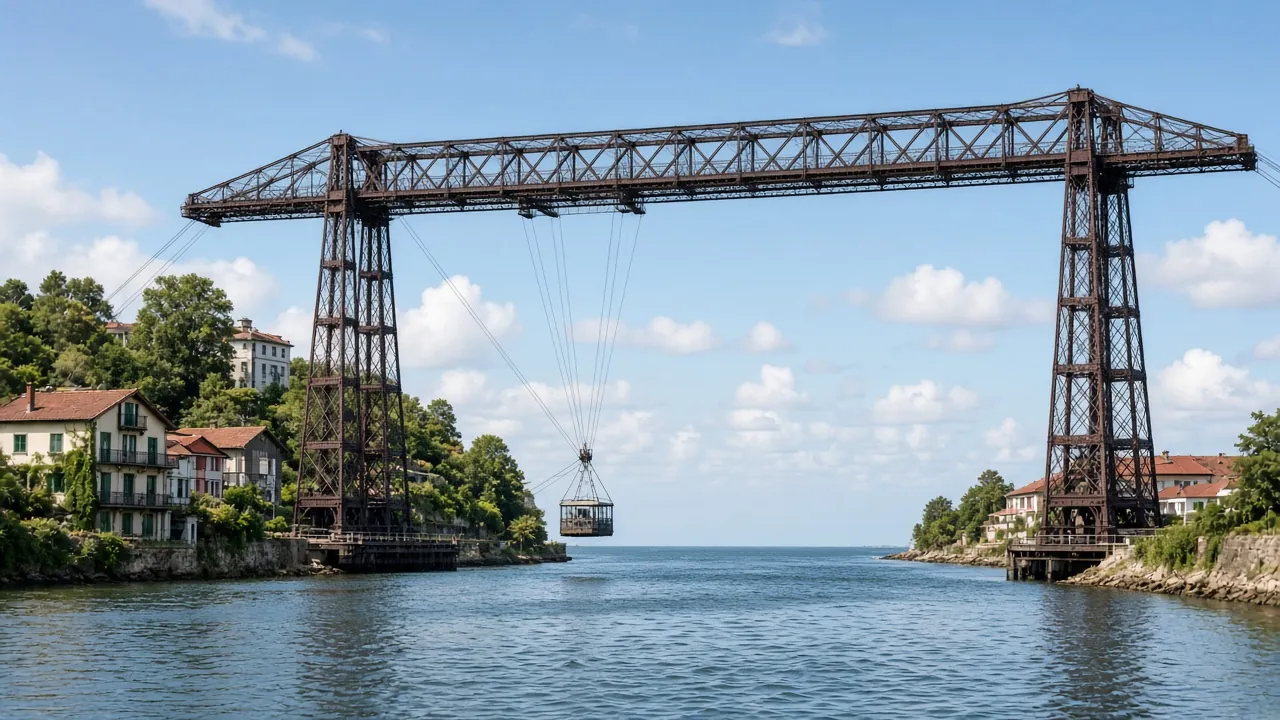
Santurtzi and the neighbouring quays sit on the Nervión estuary, the working mouth of the port of Bilbao, a short way downriver from the Basque city's later centre and the Guggenheim Museum that remade its reputation. The estuary is a landscape of docks, cranes, iron bridges and waterside towns, and it is not the museum plaza. This listing is the Santurtzi side of the estuary, a fishing and port town on the left bank, with a harbour of its own and a metro into the city.
Many cruise ships instead use the Getxo pier on the opposite bank, at the mouth of the estuary, a landing that has become the more usual ocean-cruise door to Bilbao. The two sides are a metro or a taxi apart, not a walk, and the berth on the day's papers is worth knowing before you plan a route to the museum. From either shore, Bilbao's galleries and the old town at Casco Viejo are twenty to thirty minutes by metro or taxi, not a stroll from the gangway. The metro is the practical thread of this call, and the last ride back to the correct bank belongs in the same plan.
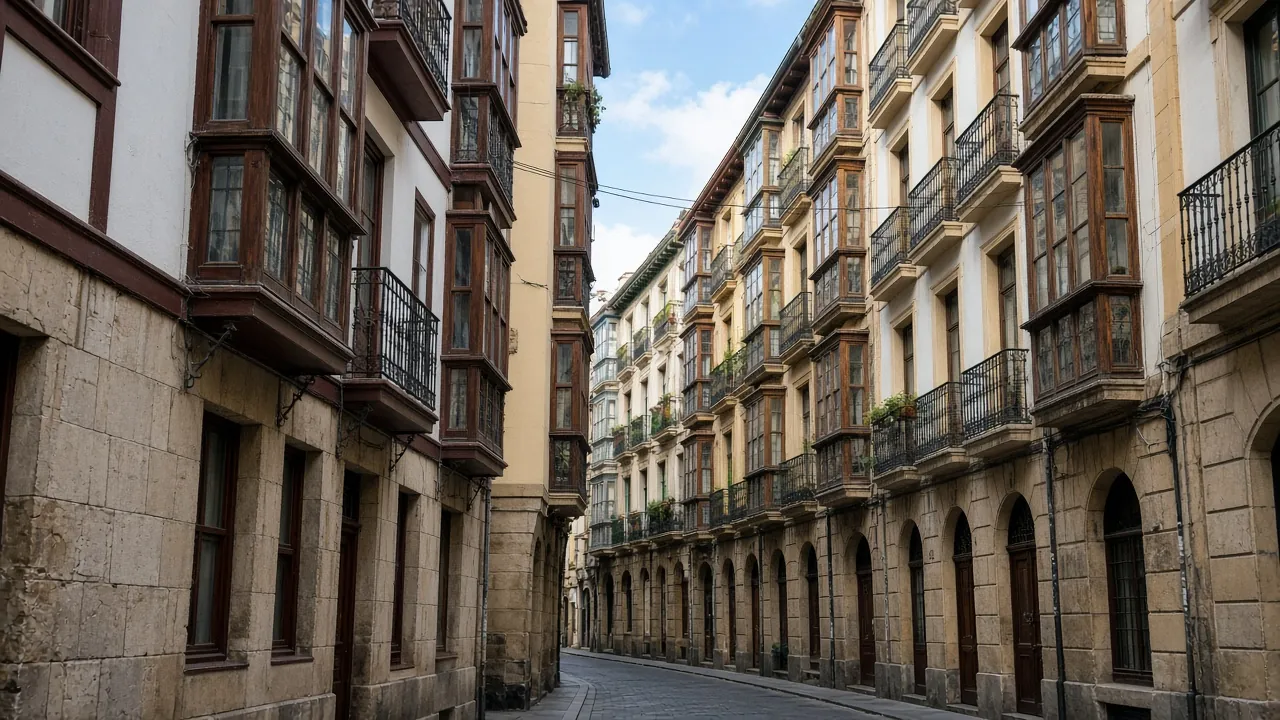
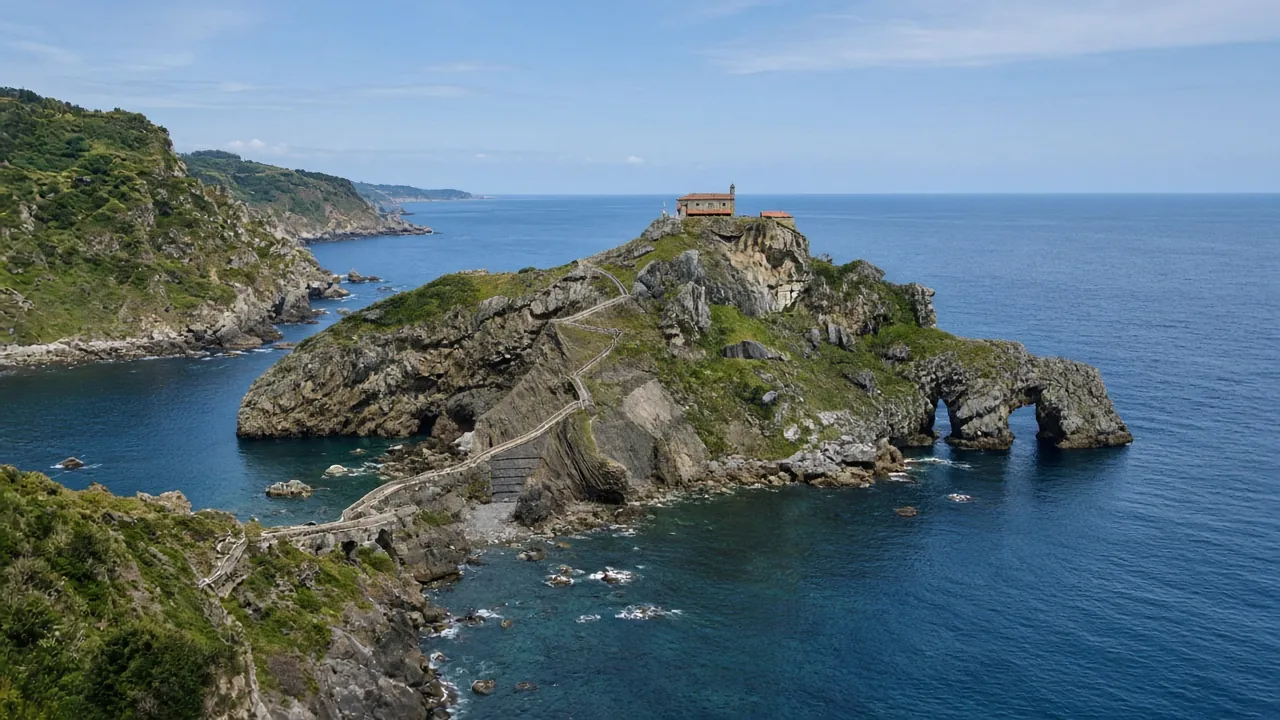
A good harbour day can be the Guggenheim and one other piece of the city — the old town, a market, a walk along the later riverside — which is already a full, rich day. The estuary towns have their own character, fishing boats and promenades, and a first hour in Santurtzi or Getxo is not time wasted if you like a working water. San Juan de Gaztelugatxe and the wilder Basque coast are longer outings and will take a good half of the day if you go.
The climate is Atlantic Basque: it can be green and wet, and it can be mild and grey, with a light that is softer than the Spanish south. Food is one of the reasons to come, and even a short day can include a serious meal: pintxos in the old town, fish, the particular plenty of a Basque kitchen. Spanish and Basque are the languages of the city; English is used in the visitor core around the museum. Leave a margin for the metro, confirm the bank, and let one great gallery and one old street be enough. The ship remains on the estuary, and the estuary is not the plaza.
The Guggenheim is as good as its reputation, and it is also a large interior that can take a serious couple of hours if you go in, which is worth knowing before you also plan a long lunch and a walk through Casco Viejo on a short call. The river, remodelled in the same years as the museum, is a pleasure to walk, and it costs nothing but time. Confirm whether you are on the Santurtzi side or at Getxo, ride the metro with that name in mind, and the estuary will deliver you to the city and home again. The last train is the practical fact of the afternoon.
Port landmarks
Shore Excursions
- San Sebastian and Getaria from Bilbao – 8 h
- Private Rioja Wine Tour: Winery Visit and Traditional Lunch from Bilbao – 8 h
- Santander Customizable Tour by Private Van - 8 hours – 8 h
- Santander Customizable Tour by Private Van - 4 hours – 4 h
- Dragonstone, Mundaka and Guernica in Small Group from Bilbao – 6 h
- Bilbao Food Tour: Pitxos, Cider & Local products – 3 h 30 min
- Dragonstone and San Sebastian Private Tour from Bilbao – 10 h
- Txakoli Wine Private Tour from Bilbao – 4 h 30 min
- Hondarribia and San Sebastian with Pintxos in Small Group from Bilbao – 9 h
- Bilbao: Guided Pintxos Tour – 3 h
- Bilbao Modern Architecture Ranking – 1 h 30 min
- Rioja Wine Tour: Winery & Traditional Lunch From Bilbao – 8 h
- Bilbao Classic & Modern – 3 h
- The Magic Of The Guggenheim Museum (Interior & Exterior - 2 Hours With VIP – 2 h
- Casco Viejo Or 7 Streets – 2 h
- Txakoli wine tour in small group from Bilbao – 4 h
- Biarritz and the French Basque Coast in Small Group from Bilbao – 10 h
- Private tour Dragonstone, Mundaka and Guernica from Bilbao – 6 h
- Bilbao Shore Excursion – 8 h
- Private Wine Tour in La Rioja: Two wineries from Bilbao – 8 h
- Rioja Wine Tour: 2 Wineries From Bilbao – 8 h
- Santander Customizable Tour by Private Car - 8 hours – 8 h