Berlin, Germany
Ports
Home • Ports • Europe • Germany • Berlin
About Berlin
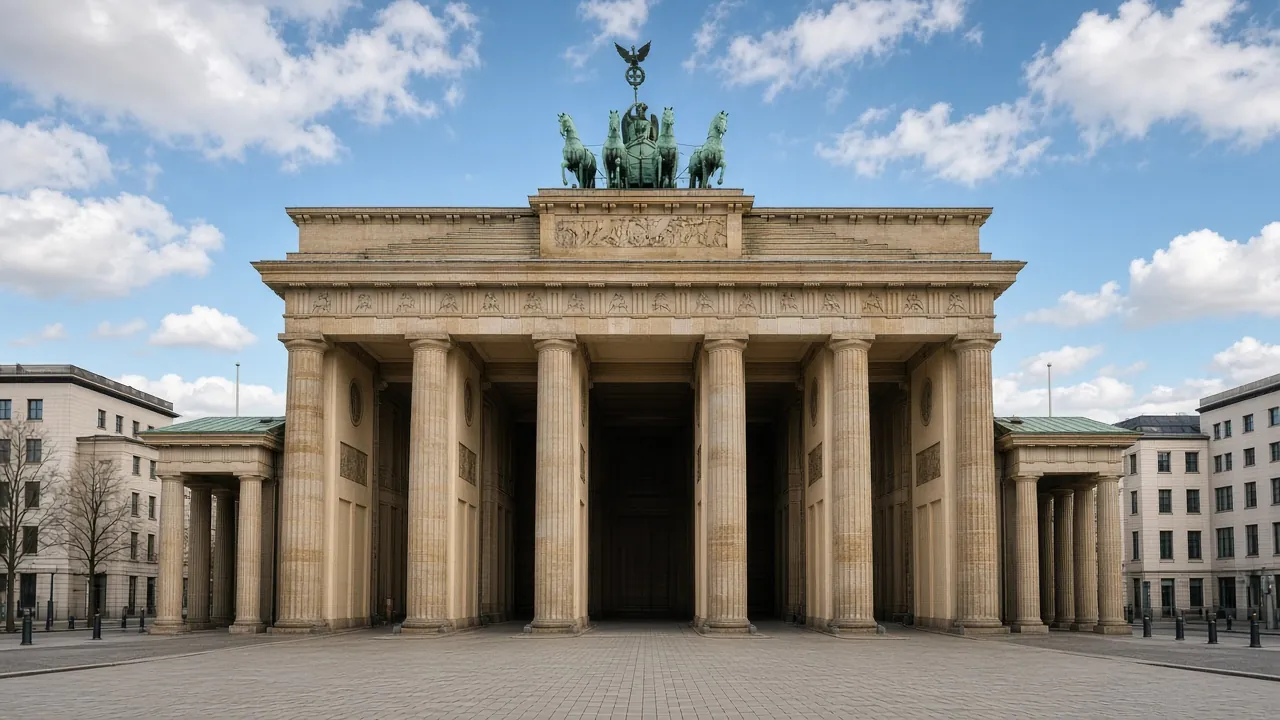
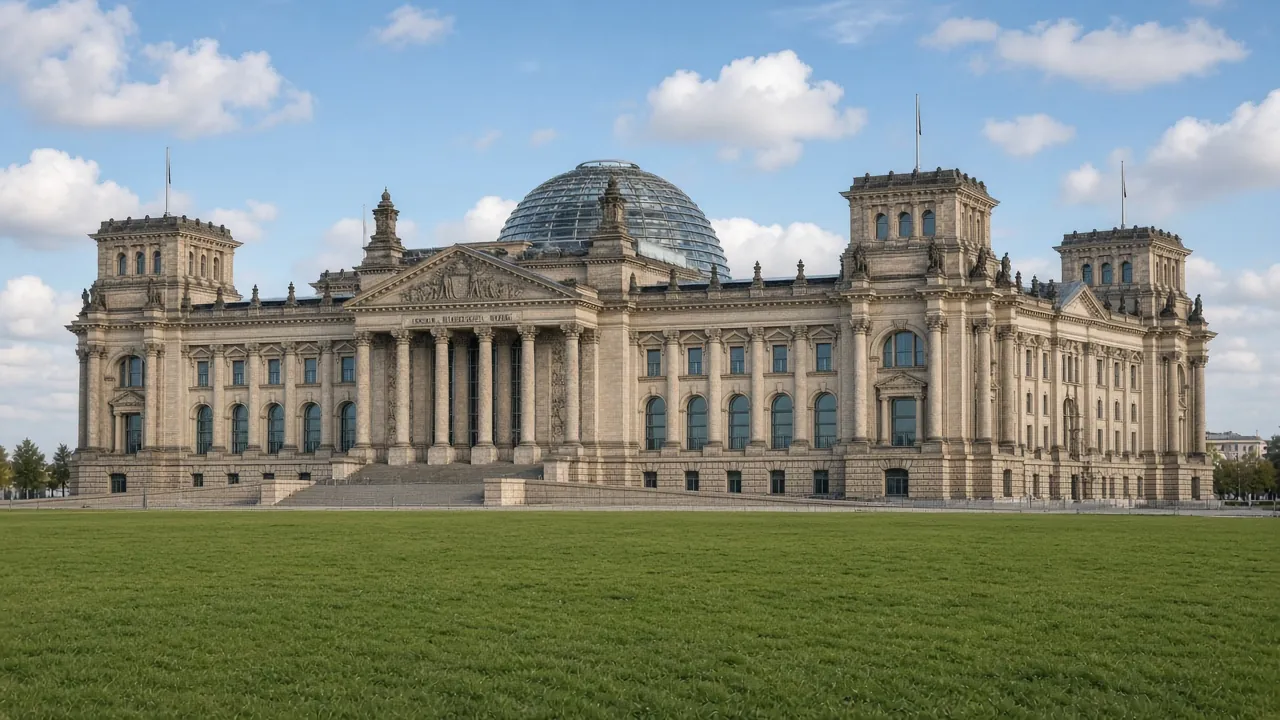
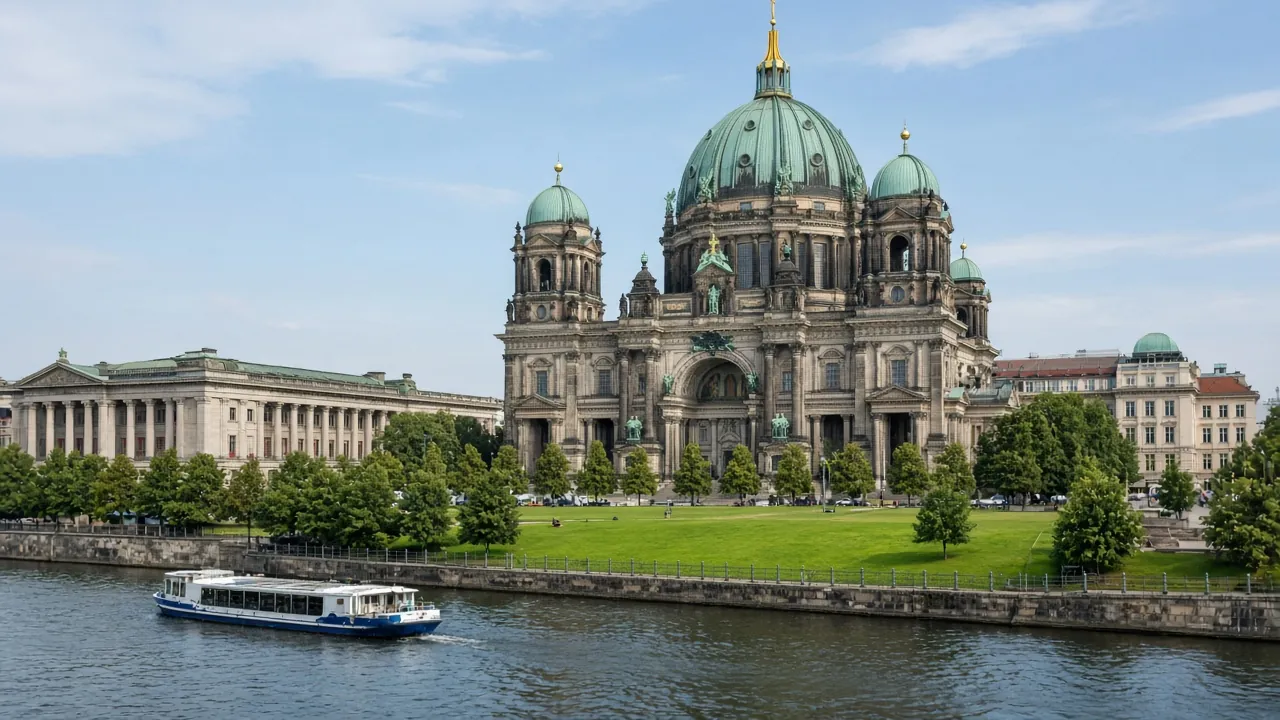
Berlin is not a seaport. It is Germany's capital, an inland city on the Spree, which ocean-cruise passengers reach only overland from a Baltic harbour — most often Warnemünde or Rostock, typically around two and a half to three hours by train each way — or as a stay in its own right. This page is that capital: the Brandenburg Gate, the Reichstag, Museum Island, and a city divided after 1945 and reunited in 1990. It is not a realistic outing on a short ship call from the coast. Build the transfer both ways, or treat Berlin as a longer journey, not a last-hour add-on from the gangway.
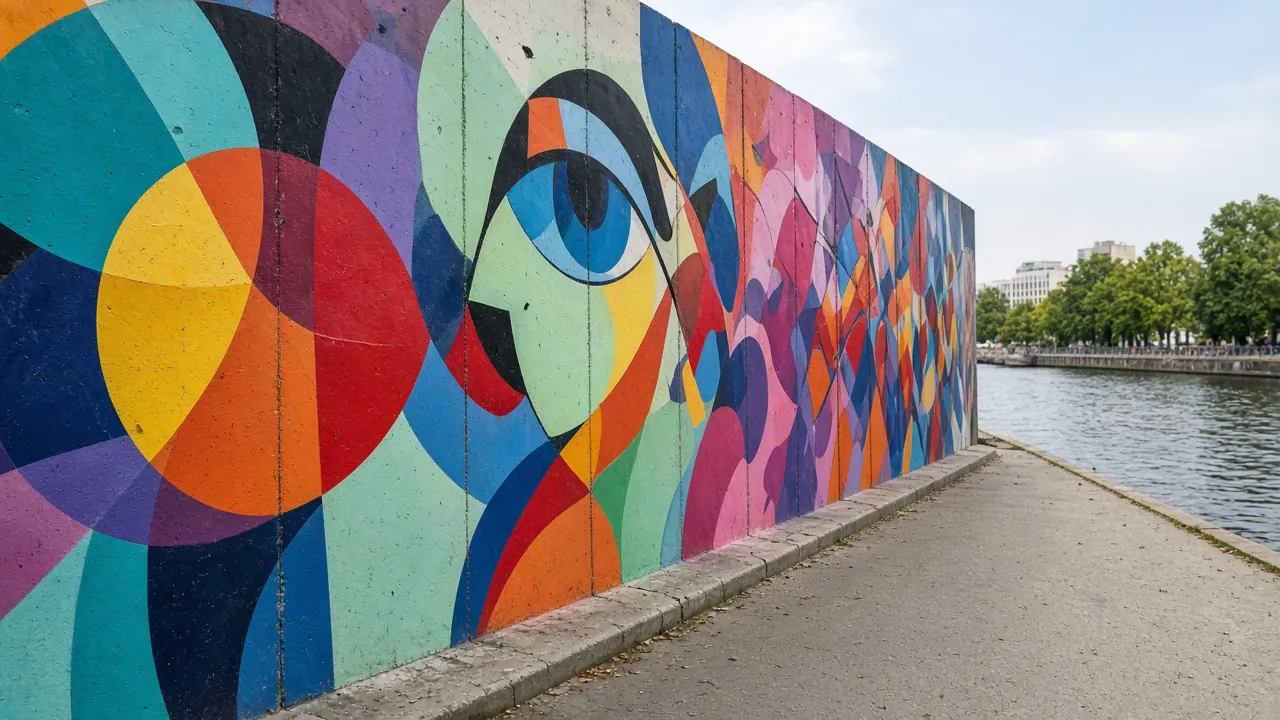
If you are already in Berlin, or if your itinerary has been built around an overland stay, the city is a capital of gates, museums and later streets: the Brandenburg Gate, the Reichstag, Museum Island, and a fabric still marked by the former line of the Wall. It became the imperial capital in 1871, was divided after 1945, and was reunited in 1990. A first day can take one axis — the gate and the Reichstag, or the island and the later river. You do not need to race from one end of a large city to the other. The later civic Berlin is the character of the place, not a preserved harbour quarter at the edge of a tide.
This page is not a seaport. Ocean-cruise passengers reach Berlin only overland from a Baltic harbour, most often Warnemünde or Rostock, typically around two and a half to three hours by train each way, or as a stay in its own right. That transfer will consume almost a whole port day if you try to do it both ways from a ship, and it is not a realistic outing on a short call from the coast. Build the journey before you go, or treat Berlin as a longer visit, not a last-hour add-on from the gangway. Hamburg is another coastal door again, and still a long inland ride.
The food is civic and varied: later rooms in the central districts, a dense café and restaurant culture, markets. Eat in the quarter you are actually walking. The city is large; summers can be warm, winters cold. Take a layer and leave more time than a map suggests between museums.
The honest use of this page is a planned inland capital, not a walk from a ship. If you have come from Warnemünde, the last train back to the coast is the fact that closes the day, not another museum island. Come back earlier than you think you need. A first day on one central axis is a complete visit to this city. A first day that tries to collect every memorial, a second district and the coast again will be spent in transit. The gate and the later streets, seen slowly, are the image you will take away. There is no ocean-ship berth on the Spree. If the hours cannot spare the train from the coast, do not force the capital into a short ship call. The inland city will still be there for a stay that can hold it.
Port landmarks
Shore Excursions
- Berlin Blitz Private Driving Tour – 2 h
- Hitler’s Berlin – The Rise & Fall - Small Group Tour – 2 h 30 min
- Big Bus Berlin Essential - Hop On Hop Off Bus Ticket - 24 Hours – Flexible · valid 2 days
- Berlin: Jewish Heritage and History Private Guided Tour – 3 h
- Private Best of Berlin Walking Tour – 6 h
- Berlin: Bike or E-Bike Rental – Flexible · valid 24 h
- Private Berlin Street Art & Graffiti Tour by Car or on Foot. – 3 h
- Berlin: Sachsenhausen — The Camp That Built the Nazi System – 5 h
- 6-hour Private Walking Tour Of Potsdam, City of Kings – 6 h
- Big Bus Berlin Discover - Hop On Hop Off Bus Ticket - 24 Hours – Flexible · valid 24 h
- Clash of Titans: Battle for Seelow Heights WW2 tour – 8 h
- Big Bus Berlin Explore - 2 Day Hop On Hop Off Bus Ticket – Flexible · valid 2 days
- City Of Kings Potsdam Private Driving Tour – 6 h
- Best of Berlin Electric Bike Tour – 3 h
- Berlin: Highlights of Berlin Guided Bike & E-Bike Tour – 3 h
- Berlin Highlights Private Driving Tour – 3 h
- Berlin Under the 3rd Reich: 3-hour Private Tour by Car or Foot – 3 h
- Private Walking Tour: Cold War Berlin – 3 h
- Berlin's Festival Of Lights Tour - October – 2 h
- Berlin's Best Christmas Markets Tour – 3 h
- LGBTIQ Berlin: Private Walking or Driving Tour – 3 h
- Berlin: Street Art & Hidden Spots Bike or E-Bike Tour – 3 h 30 min
- Private 3-Hour Berlin Highlights Walking Tour – 3 h
- Private Tour of Potsdam with Time For Palace Entry – 8 h
- Personal Travel and Vacation Photographer Tour in Berlin – 2 h
- Guided Berlin Layover Tour & a Private Vehicle from BER – 8 h
- Berlin: Ultimate Bike or E-Bike Tour with Beer Garden Stop – 5 h 30 min
- From Berlin: Potsdam Palaces Bike or E-Bike Tour – 6 h 30 min
- Berlin Food Tour: Currywurst, Döner & Craft Beer – 3 h 30 min