Belize City, Belize
Ports
Home • Ports • America • Belize • Belize City
See all 19 tours in Belize City
About Belize City
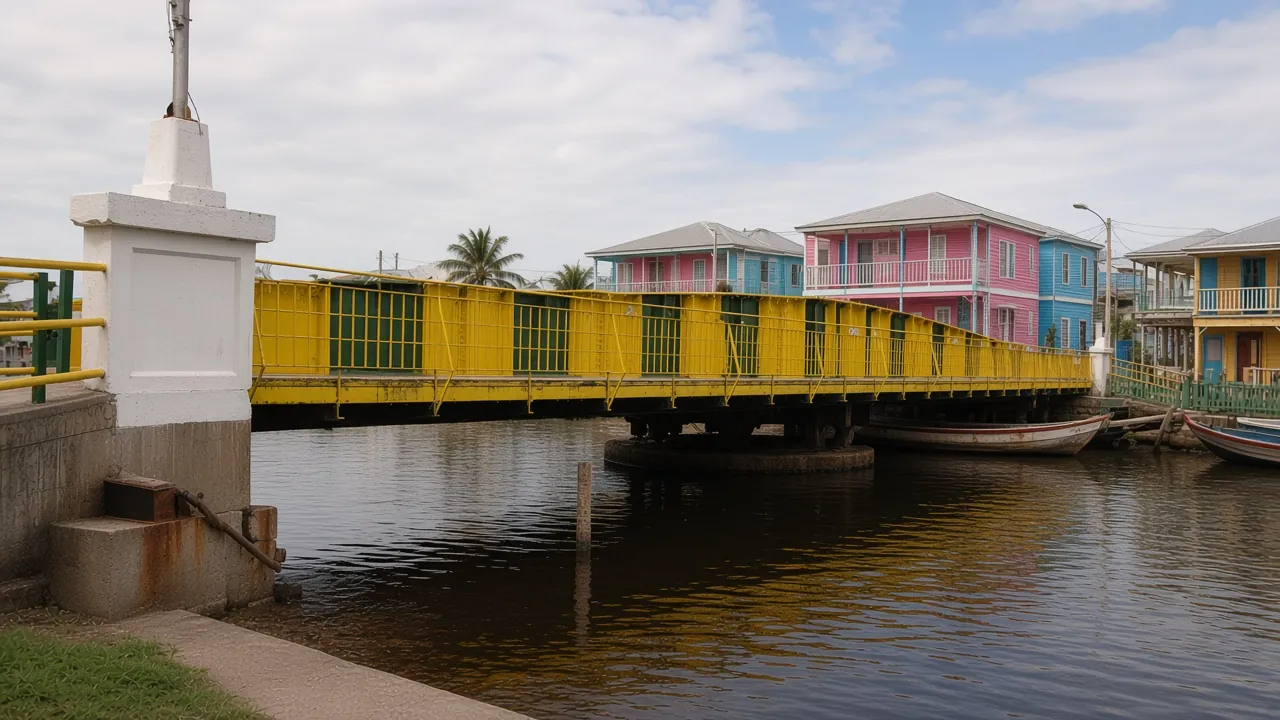
Belize City is the largest city in Belize and the former capital of British Honduras, a low-lying town at the mouth of the Belize River, with wooden houses, a swing bridge and a tight historic district around the Fort George area. The capital moved inland to Belmopan after Hurricane Hattie in 1961; the city remains the commercial centre and the usual landing for ships. Many passengers use it as a gate to Maya sites such as Altun Ha or Xunantunich, or to a caye such as Caye Caulker, rather than spending the whole day in town. Ships typically come ashore at the Tourism Village; downtown is close, but the ruins and the cayes need a planned transfer.
The historic core is small and low, a town of wooden houses, faded colonial civic buildings and a swing bridge over Haulover Creek, the mouth of the Belize River. The Fort George area, with its quieter streets, the former colonial houses and the Museum of Belize in a nineteenth-century brick prison, is the most coherent walk. This was the capital of British Honduras until Hurricane Hattie in 1961 devastated the city and the government later moved inland to Belmopan. What remains is a commercial port town, frank about its weather, its poverty and its energy, not a polished historic showpiece. A careful walk in the central streets, in daylight and with the usual city awareness, will tell you more than a list of monuments.
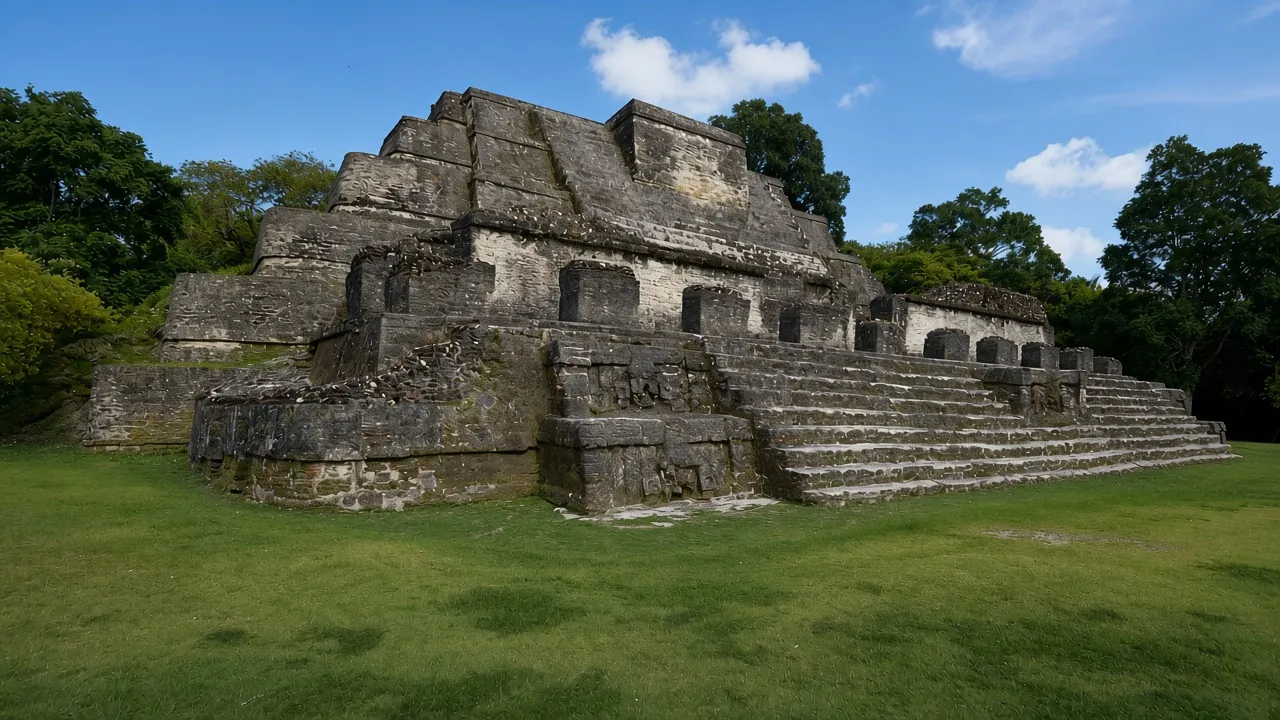
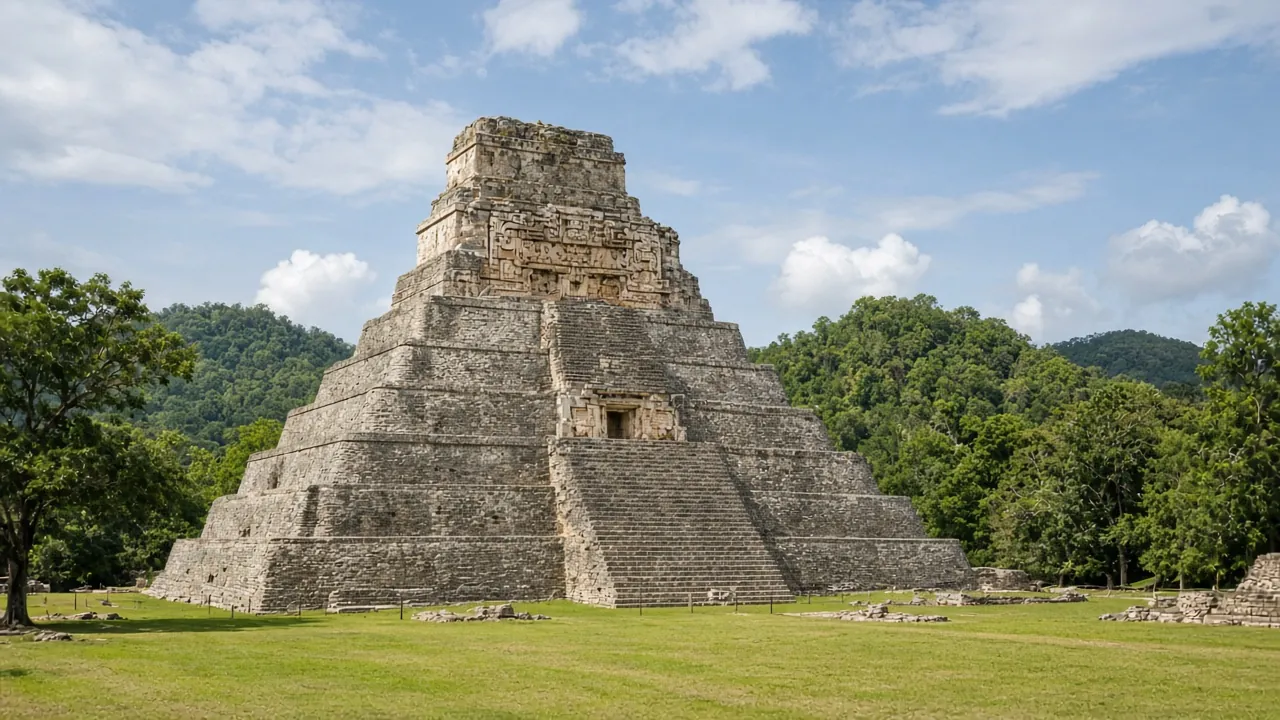
Most passengers, however, use Belize City as a gate. Inland, the Maya sites of Altun Ha, about an hour to the north, and Xunantunich, further west toward the Guatemalan border near San Ignacio, are the usual archaeological outings; they are real sites, with temples and plazas, and they need a planned transfer and a conservative return. Offshore, a boat to a caye — Caye Caulker is the closer, more informal of the well-known pair — is a reef-and-beach day, also a commitment of hours. The Barrier Reef is the country's great natural fact, but you will not see it from the Tourism Village.
Food in the city is Belizean and varied: rice and beans, stewed chicken, seafood, and a mix of Creole, Mestizo and other influences. Lunch is easy near the landing or in the centre; the best meals are often the simplest.
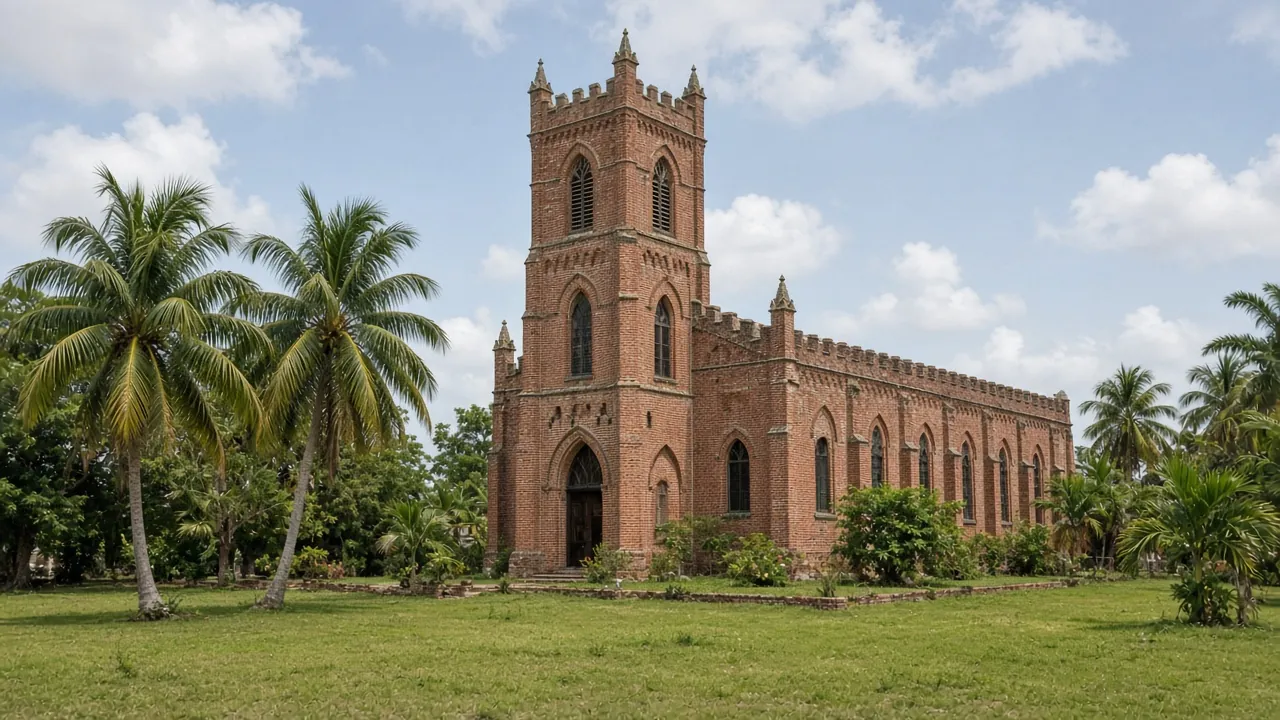
Ships typically come ashore at the Fort Street Tourism Village, a gated landing of shops and tour desks at the edge of the old town. Downtown is close enough to walk if you want the museum and a short circuit. The ruins and the cayes are not. Decide before you leave the gate whether this is a city walk or a tour day, and do not try to combine a distant site with a late, casual return. Heat, traffic and boat timetables all eat the clock. A first day that stays in the Fort George streets and the museum is a legitimate visit to the city; a first day that goes to Altun Ha or a caye is a legitimate visit to the country. They are not the same plan. St. John's Cathedral, an early-nineteenth-century Anglican church, is one of the few older civic buildings that still give the centre a historic outline, and it sits close enough to the Fort George area to include on a short walk. Keep valuables simple and stay in frequented streets; this is a city to walk with ordinary awareness, not with a sense of spectacle.
Port landmarks
Shore Excursions
- Zona Magica Zipline from Belize City – 2 h 45 min
- Nohoch Che'en River Cave Tubing – Private Tour from Belize City – 5 h
- The Belize Zoo – 3 h 30 min
- San Pedro: Belizean Food Experience – 3 h
- Belize Zip Line Canopy Tour – 4 h 30 min
- Community Baboon Sanctuary – 3 h
- Altun Ha Maya Temples & Belize City Highlights – Private Day Tour – 4 h
- Altun Ha Maya Temples & Nohoch Che'en River Tubing – Private from Belize City – 6 h
- Crooked Tree Wildlife Sanctuary Tour – 5 h
- San Pedro Snorkeling at Hol Chan & Shark Alley – 3 h 30 min
- Belize City Ziplining & River Tubing w/Lunch – 3 h 30 min
- Interactive Food Tour & treasure Hunt adventure San Pedro Belize – 3 h
- Belize City Via Ferrata Adventure – 2 h 15 min
- Nohoch Che'en River Cave Tubing & Jungle Canopy Zipline – Private from Belize City – 6 h
- Belize City Ziplining & Via Ferrata Combo – 4 h
- The Real Belize City Tour – 2 h
- Belize Cave Tubing Adventure Through No'och Che'en National Park – 4 h
- Lamanai Riverboat Safari & Maya Temples – Private from Belize City – 6 h
- Belize Zoo Rescued Wildlife & Belize City Highlights – Private Tour – 4 h