Bath, England
Ports
Home • Ports • Europe • England • Bath
About Bath
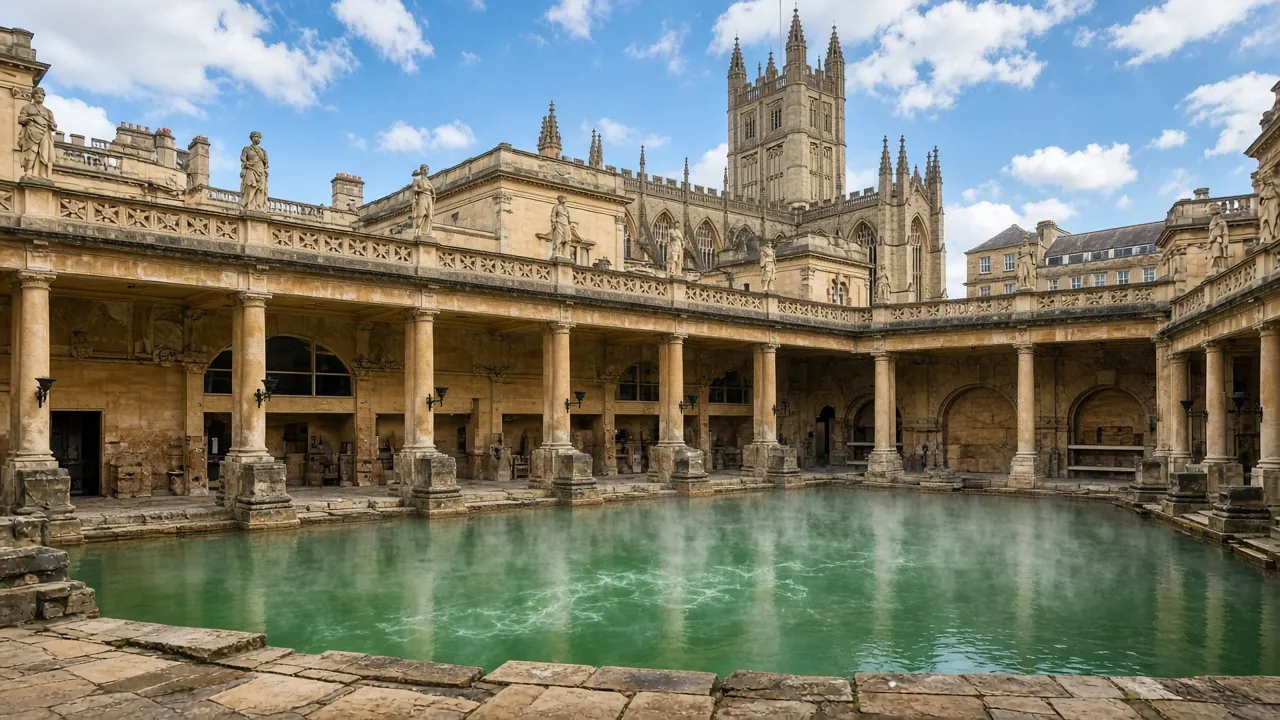
Bath is a historic spa city on the River Avon in inland England, and it is not a seaport. Cruise and tour passengers reach it overland from a coastal or river berth, then walk a compact Georgian centre of limestone streets, a Roman bath and an abbey in a sheltered valley. The Roman Baths and the later crescents are the reason a call is sold under this name. A first day here is a city walk, not a harbour stroll, and it only works when the transfer and the return are planned with a wide margin.
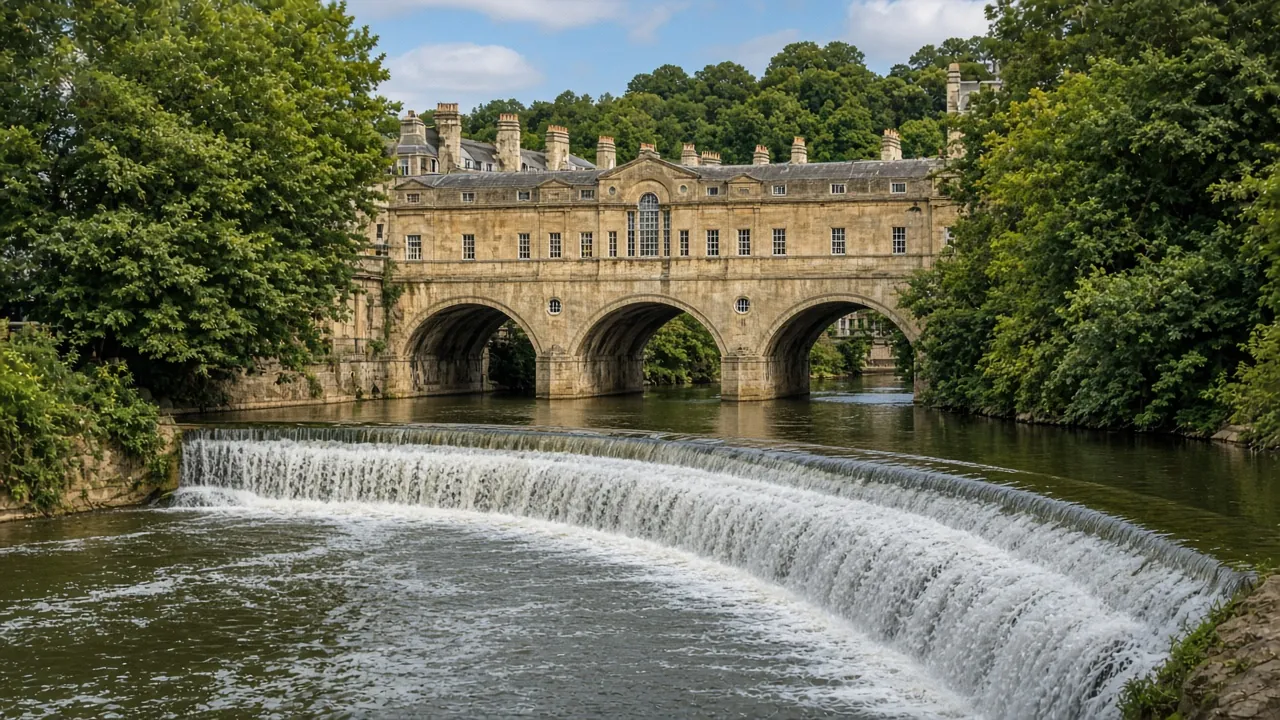
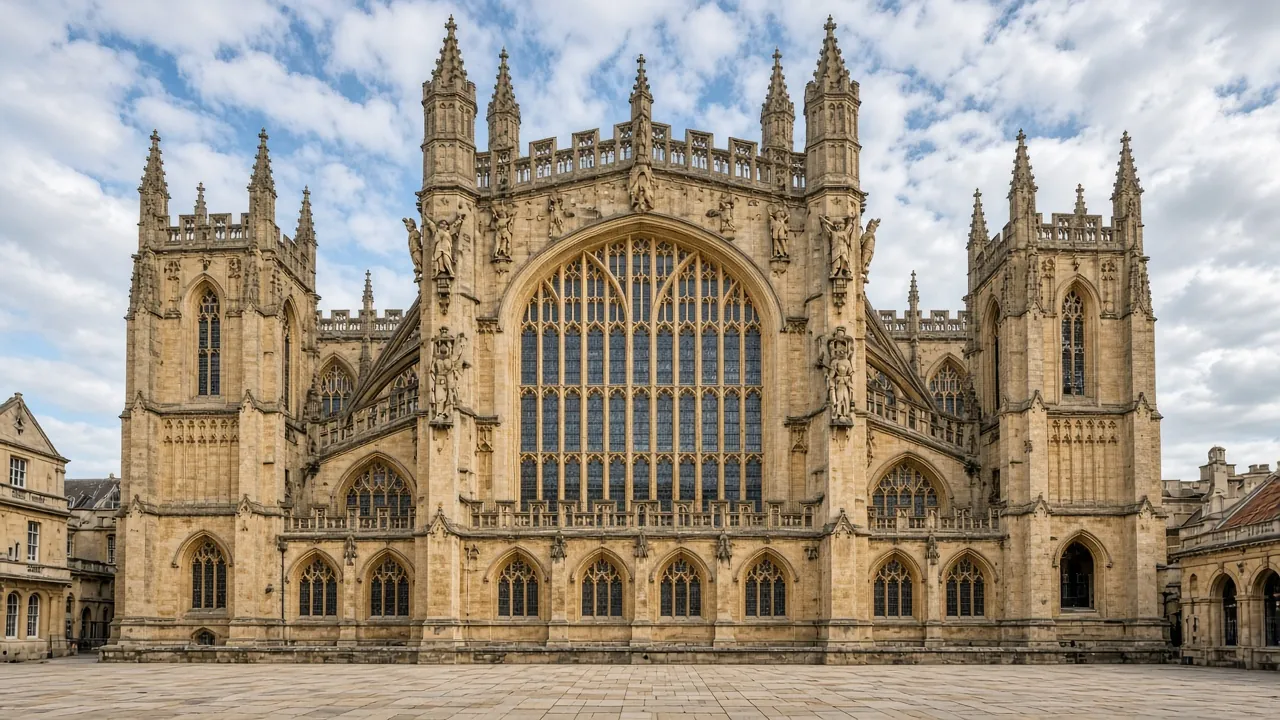
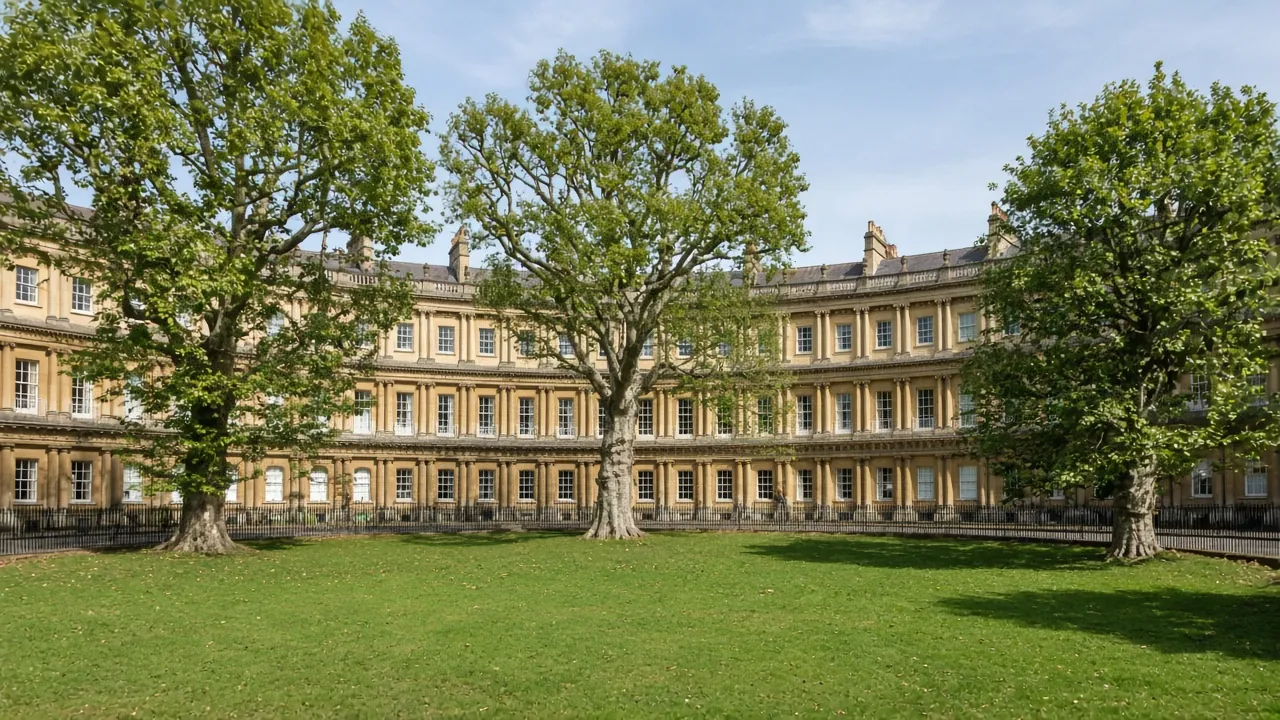
The heart of the visit is small enough to walk slowly: the Roman Baths, still fed by the same hot springs, the adjoining Pump Room, and Bath Abbey, whose facade and later vault stand at the centre of the civic core. From here the Georgian city unfolds in a planned sequence of streets and set pieces — the Circus, the Royal Crescent, Pulteney Bridge — built in the pale local stone that has made the place instantly recognisable. It is a UNESCO World Heritage city, and it feels like a complete world rather than a reconstructed village. You can spend a morning in the baths and the abbey, eat well, and still have time for one crescent and the river, which is the right scale for a first visit.
The surrounding country is beautiful, and it is also how people run out of time. A long loop through every nearby village and every countryside viewpoint will consume a call that still has to return to a ship. The spa museums and a single further house or garden are enough if you want an indoor contrast; they are not all required. Jane Austen's connection to the city is part of how Bath presents itself, and it can be a light thread through the same streets, not a separate expedition.
Food is one of the city's strengths: a dense, walkable restaurant and café scene in the centre, tearooms, and a civic life that takes lunch seriously. Eat in town. A meal at the far edge of the valley is a poor idea when a transfer is still ahead of you.
You will have arrived by road or by train from a coastal or river berth, not by walking off a ship in the city. Bristol and the Severn shore are relatively close; other English cruise harbours are farther, and the time must be counted in both directions. There is no single standard home port for every itinerary. If the hours are generous and the transfer is already arranged, Bath is a complete, satisfying visit — baths, abbey, crescents, a meal, and a return that starts earlier than you think you need. If the hours are short, the better day is the one spent in the port city you actually landed in. Wear shoes for stone streets, bring a layer for a valley that can be cool even in summer, and let this inland city be a outing you set time aside for, not a sprint.
Port landmarks