Astoria, United States
Ports
Home • Ports • America • United States • Astoria
About Astoria
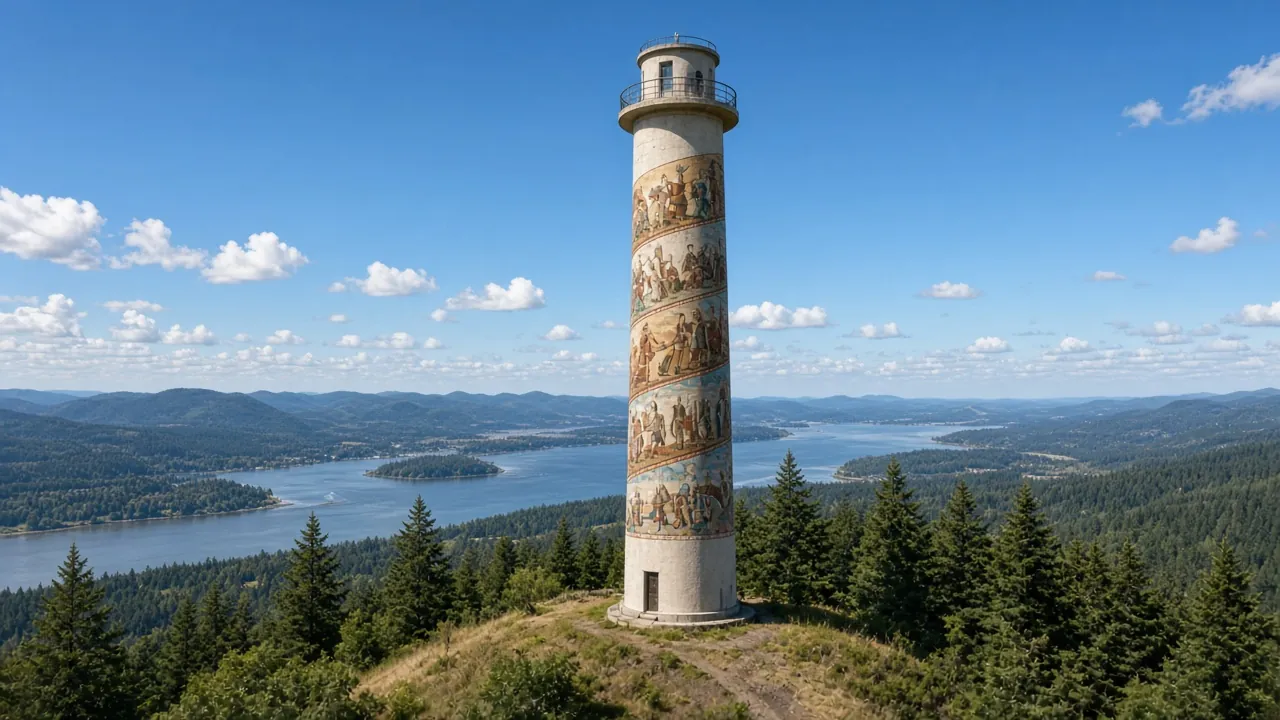
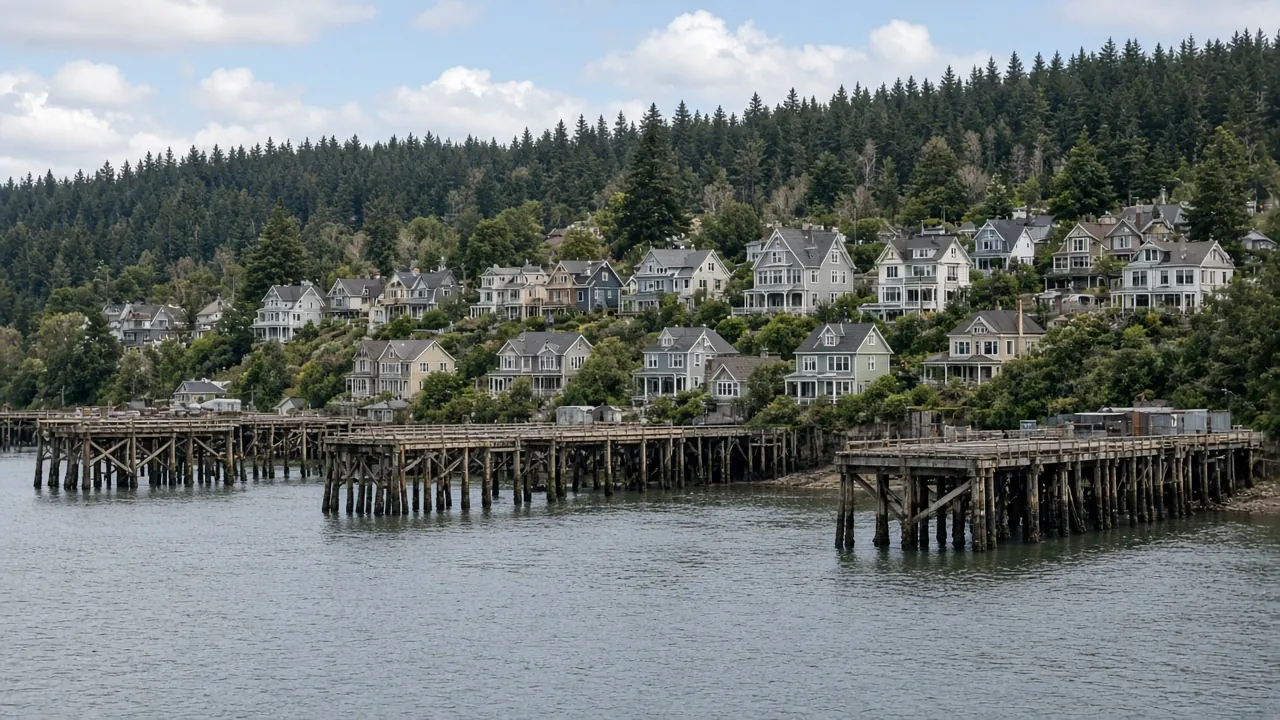
Astoria stands at the mouth of the Columbia River, a working river town of steep streets, a high column on the ridge and a waterfront of old piers and canneries. Cruise ships use the river docks close to the centre, so the riverwalk, the maritime museum and a climb or ride to the Astoria Column can fill a first day. This page is Astoria, Oregon, not a Pacific landing farther south. The light is often grey and maritime, and the river is wide enough to feel like a sea. Leave time for the return to this quay.
Astoria stands at the mouth of the Columbia River, a working river town of steep streets, a high column on the ridge and a waterfront of old piers and canneries. It is one of the older American settlements on the Pacific side of the continent, founded as Fort Astoria in the early nineteenth century, and the river is still the reason the town exists. The water is wide enough to feel like a sea, the light is often grey and maritime, and the bridges and the pilings give the harbour a working character rather than a resort one.
Cruise ships use the river docks close to the centre. From a typical berth the riverwalk and the Columbia River Maritime Museum are a short walk, and a climb or a ride reaches the Astoria Column on Coxcomb Hill, a tall memorial shaft with a spiral frieze and a view over the river, the town and, on a clear day, the bar where the Columbia meets the Pacific. The hillside streets hold wooden houses and a steep sense of the ridge. This page is Astoria, Oregon, not a Pacific landing farther south, and not Portland, Oregon, which is a long way upriver and is not the Maine city of the same name.
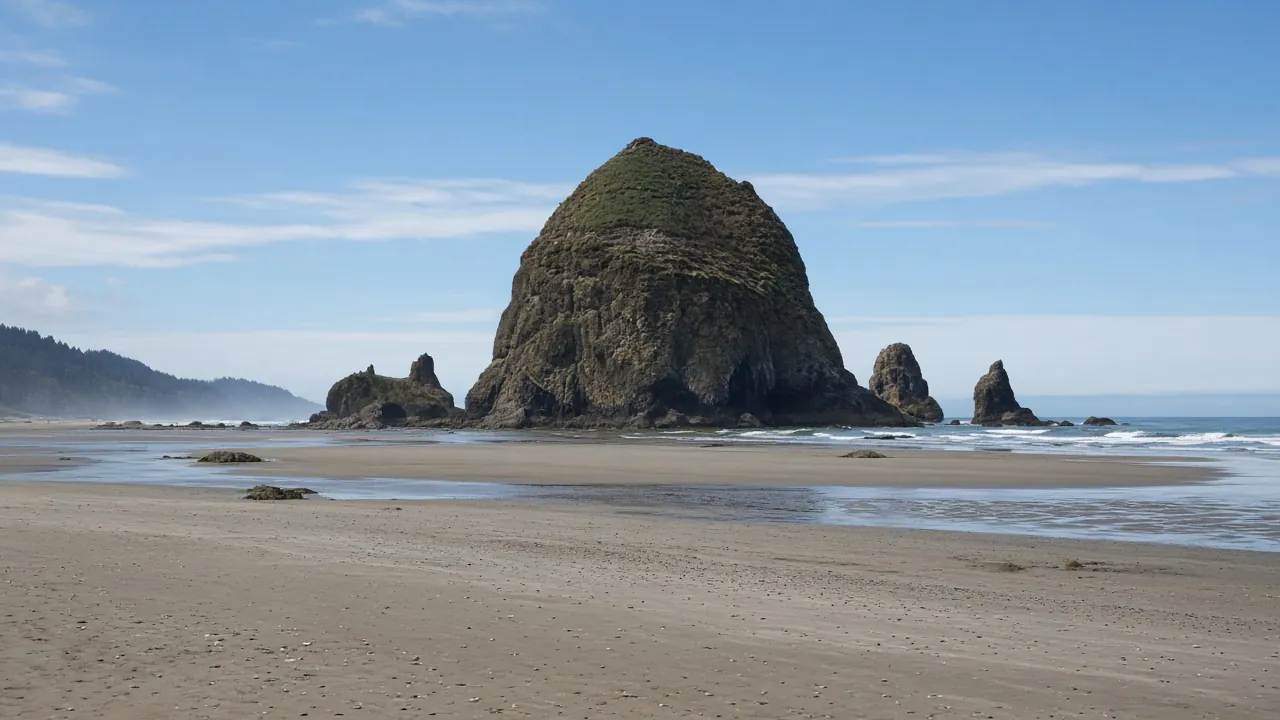
Fort Clatsop, the reconstructed winter camp of the Lewis and Clark expedition, is a short drive south and can fill part of a longer call. The ocean beaches at the mouth of the river are farther, and they need a schedule that can absorb the road. For a first visit, the museum, the riverwalk and the column are enough. The town is used to weather: wind, mist and sudden clear spells.
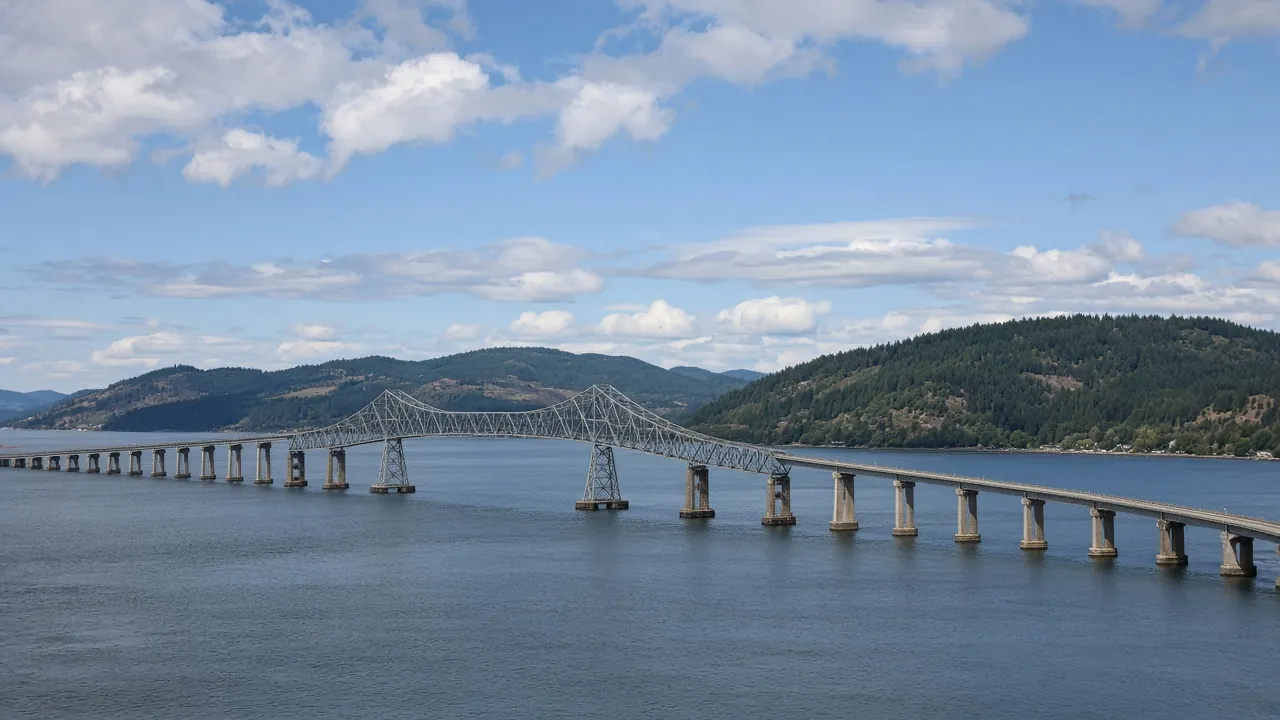
Food is of a working coast — seafood, a later café culture in the downtown streets, and the ordinary services of a small river city. A day that tries to add the ocean beaches, the fort and every viewpoint usually runs late. Leave time for the return to this quay, even when the walk from the museum looks short, and treat the river current and the ship's departure as the edge of the day. The Astoria-Megler Bridge crosses the Columbia in a long, high span to the Washington shore, and it is part of the view from the column and the riverwalk. The Flavel House, a large Victorian museum in the town, and the seasonal waterfront trolley add a closer hour if you do not go south to Fort Clatsop. Uniontown and the older cannery streets sit along the river west of the centre. The bar at the river's mouth is famous for its difficulty; you see it as a line of water and weather, not as a place to visit. Wind is ordinary here, and a clear day over the bar is a gift rather than a promise.
Port landmarks