Ashdod, Israel
Ports
Home • Ports • Asia • Israel • Ashdod
About Ashdod
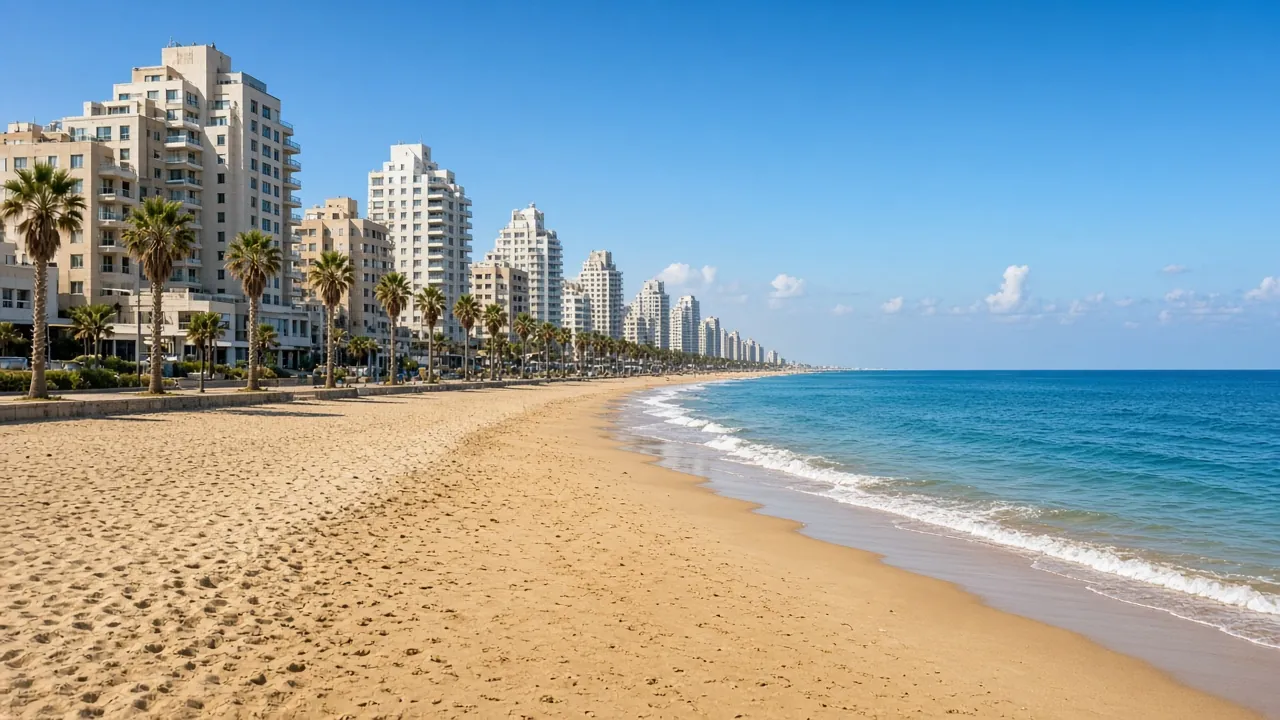
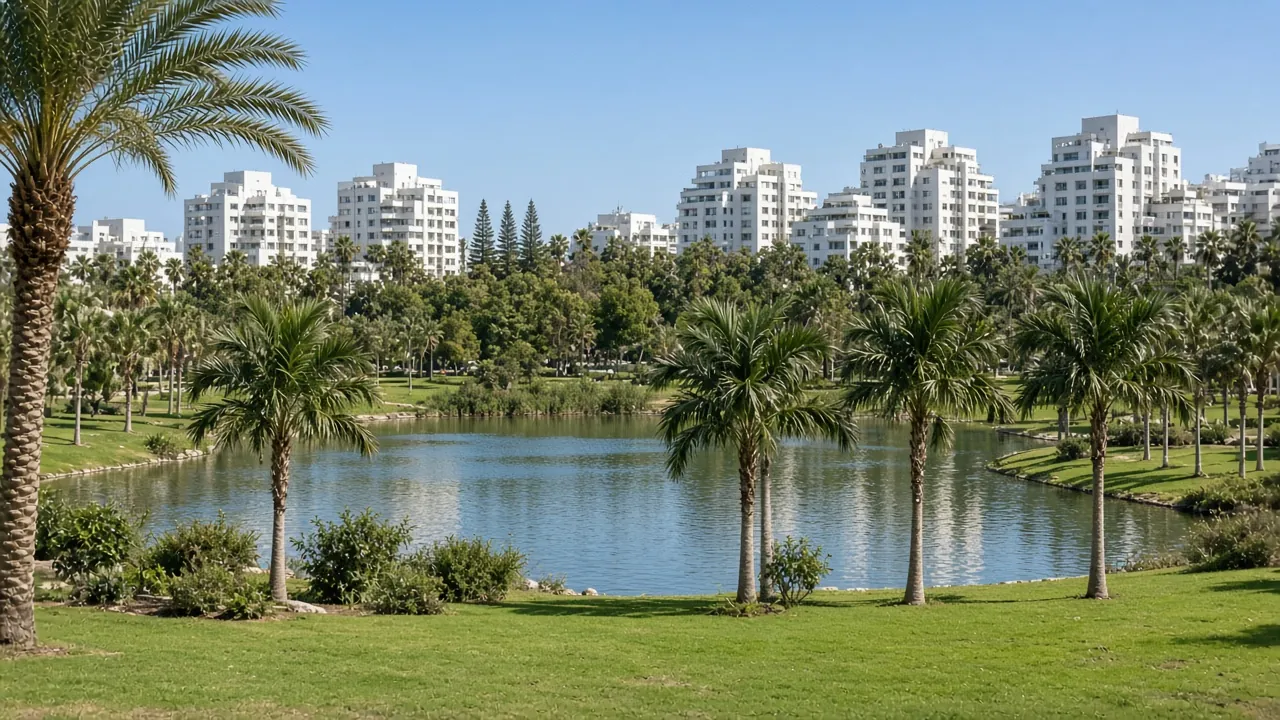
Ashdod is a modern port city on Israel's Mediterranean coast, home to the country's busiest cargo harbour, about forty kilometres south of Tel Aviv. Cruise passengers come ashore in a working commercial port, then need a taxi or an official transfer; it is not a walk-off into a historic old city of this scale, and it is not Haifa, which has its own harbour page. Jerusalem is often around an hour inland, Tel Aviv around forty to fifty minutes; both take a good part of a day with the return already arranged. A first day can also stay with the transfer and one clear axis.
The civic heart that most visitors come for is not a dense historic port town at the gangway. Ashdod is a later, largely modern city beside Israel's busiest cargo harbour, and the first fact of a cruise day is the working port itself: a controlled commercial landing, then a taxi or an official transfer. You can spend a first day with one clear axis — a transfer already arranged to Jerusalem, or to Tel Aviv, or a shorter circuit in Ashdod if the hours are tight. You do not need to collect every city on the coastal plain to make the day feel like a call in Israel.
Jerusalem is often around an hour inland from the port, Tel Aviv around forty to fifty minutes, depending on traffic and checkpoints. Both will take a good part of a day once you count the return through a working harbour gate. They are worth doing if the hours and a reliable transfer are already arranged; they are a poor last-minute addition after a late start in the port, and they should not be stacked on a short call. Bethlehem, when it is combined with Jerusalem, belongs to the same already-arranged day, not to a second impulse. Haifa, on a different harbour to the north, has its own page; they are not the same place, and a run from one to the other will consume the clock.
The berth, the official way out of the port, and the last return through the gate are worth knowing before you set off. A cargo or container district is not a short cut to a historic core. In a working harbour, the last transfer back to the ship is worth leaving time for. The harbour will not wait for a late car on a blocked road.
The food is civic and of this coast: later rooms in the place you have actually reached, a practical lunch culture. Eat where your hours really are. Take water, a hat, and more time than a map suggests. Dress with respect at religious sites, and follow local guidance on access and security.
A first day built around one axis, and around the transfer from the port, is a complete visit. A first day that tries to collect Jerusalem, Tel Aviv and Haifa will be spent on the road. Come back earlier than you think you need, and leave a margin for the port gate. If the hours are short, stay with a single plan; the other city will still be there on a journey that can hold it. The last gate time is the edge of the day, not another stop on the way back.
Port landmarks