Arica, Chile
Ports
Home • Ports • America • Chile • Arica
About Arica
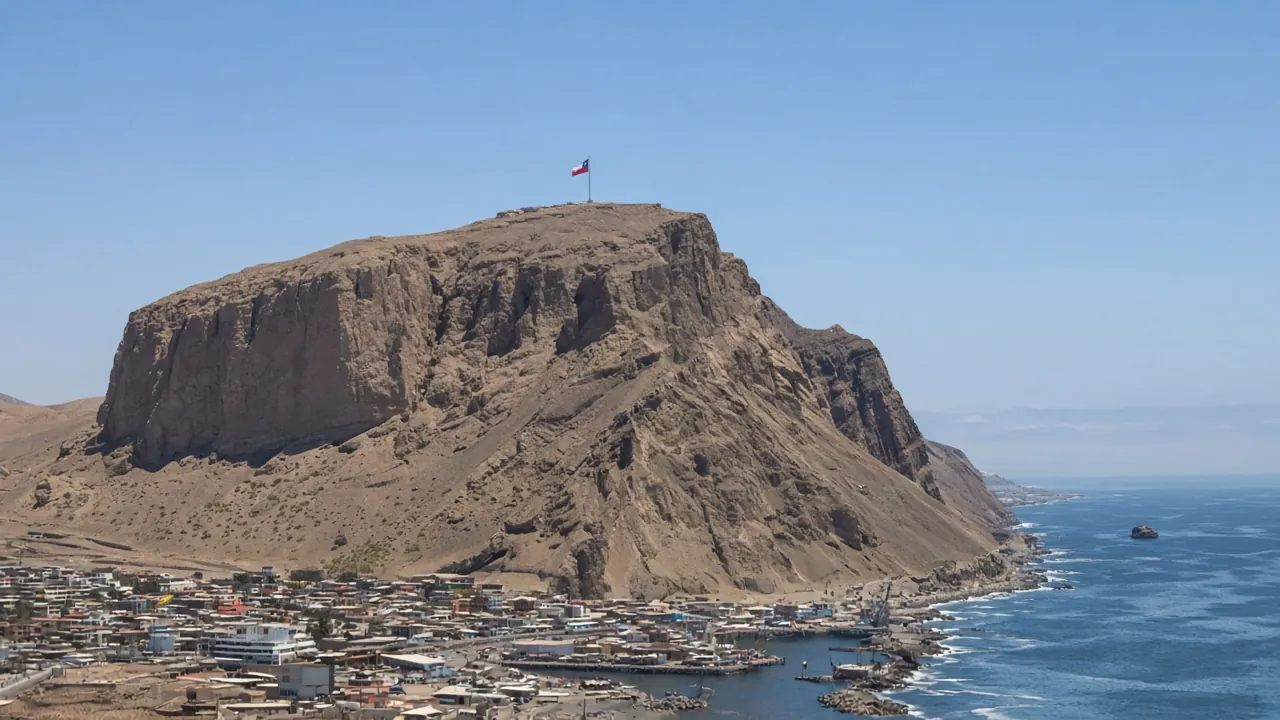
Arica is a port city in the far north of Chile, in the Arica y Parinacota Region, a dry, mild coastal town often called the city of eternal spring, at the edge of the Atacama. The Morro de Arica, a steep historic hill, rises over the town and recalls the War of the Pacific; nearby, the San Miguel de Azapa museum holds Chinchorro mummies, among the oldest known artificially preserved human remains. Beaches run along the shore, and the centre is low and easy to walk. Cruise ships berth at the city, so the waterfront and the morro are close at hand. Lauca National Park and the high Andes are a long inland outing, not a short taxi ride.
The Morro de Arica is the landmark that organises the town: a steep, pale headland of rock that rises directly above the city and the sea, fought over in the War of the Pacific in 1880 and now a historic site and a viewpoint. A walk or a short ride to the top gives you the geography at once — the dry coast, the grid of the town, the port, the beaches — and a sense of why this place has always been a door between the Pacific and the interior. Below, the centre is low and easy, a modest Chilean city of squares, a cathedral, and a daily life that is not staged for ships. The climate is famously mild and dry, the "city of eternal spring," at the edge of the Atacama, with very little rain and a good deal of soft coastal cloud.
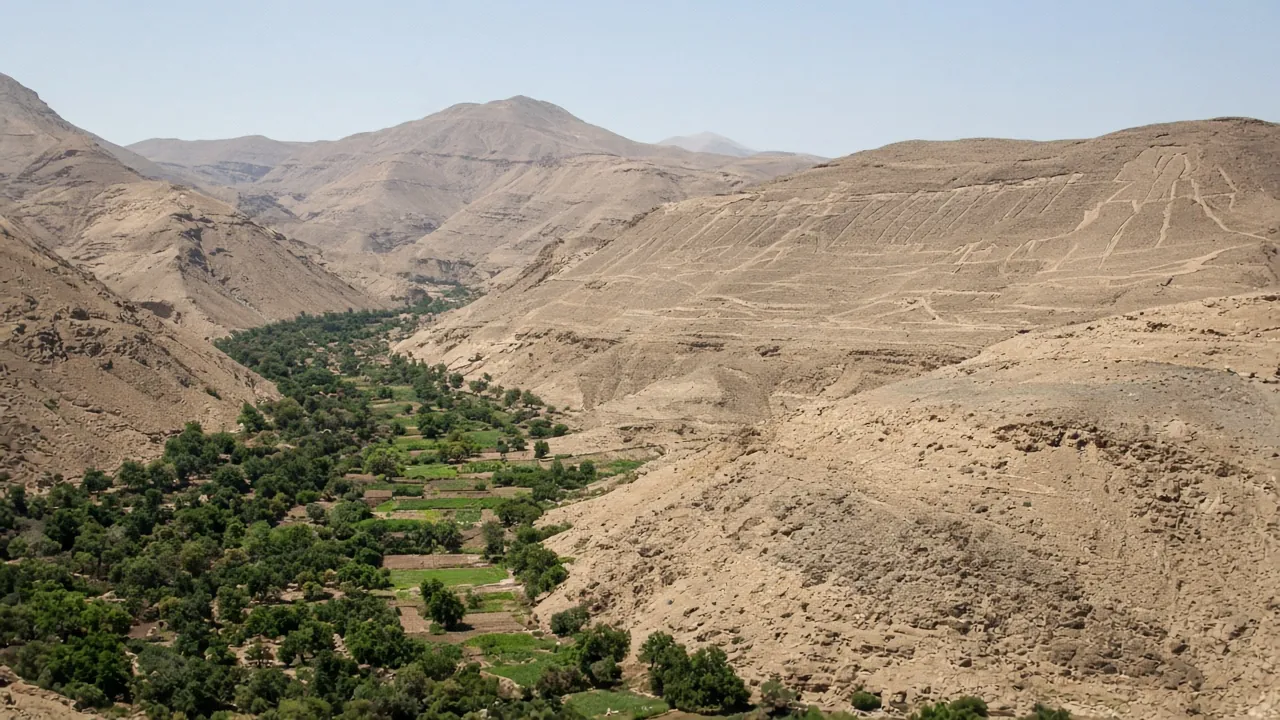
The San Miguel de Azapa Archaeological Museum, a short way inland in the Azapa Valley, holds Chinchorro mummies and a remarkable archaeological record of this desert coast. The Chinchorro people practised artificial mummification earlier than the better-known Egyptian tradition, and the museum is the right place to understand that fact without sensationalising it. It is a short drive from the city and a better, closer outing than a rush toward the high Andes. Beaches stretch along the city shore if you simply want the sea.
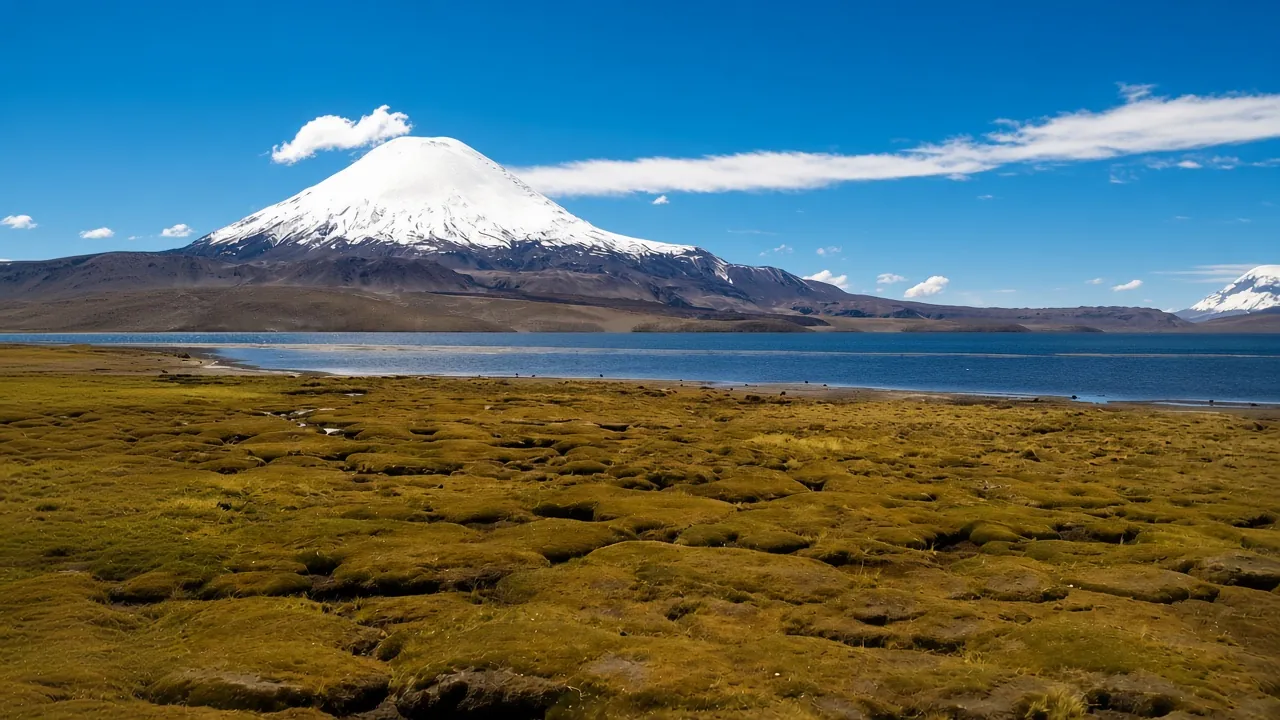
Lauca National Park, up in the Andes toward the Bolivian border, is a spectacular landscape of volcanoes, lakes and high-altitude wildlife, and it is a long, demanding inland journey, not a casual taxi ride. The altitude alone makes it a poor improvisation on a short port day. Save it for a longer stay.
Food is northern Chilean and coastal: fish, simple restaurants, tropical fruit that comes up from the valleys, and a more everyday tone than in Santiago's dining rooms. Lunch in the centre or near the shore is easy.
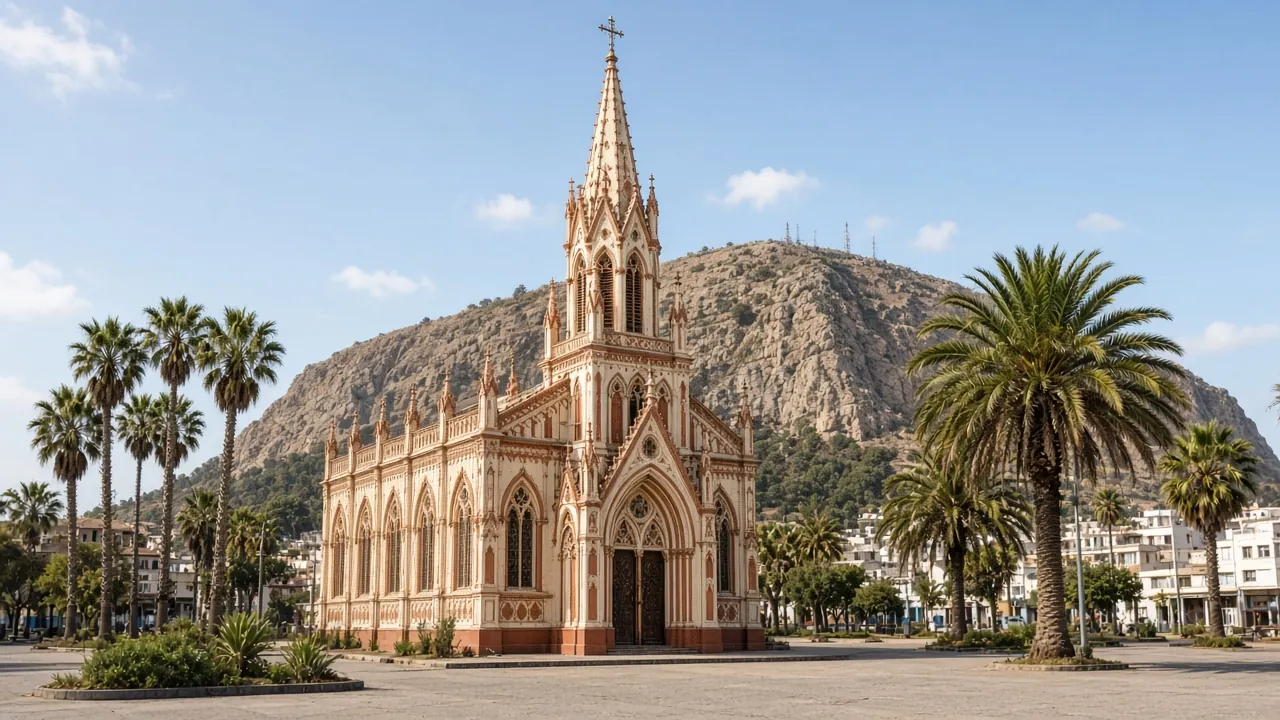
Ships berth at the city, so the waterfront and the morro are close. Walk the centre, go up the hill, and add the Azapa museum if you want the one deeper cultural stop. Leave the national park for another kind of trip. The dryness is a pleasure, but the sun is strong; take protection, and come back from the morro or the valley with time in hand. The Cathedral of San Marcos, an iron church in the centre, was prefabricated in the nineteenth century and is associated with the workshops of Gustave Eiffel, a surprising civic building in a small desert city and a useful indoor stop near the square. The town is easy to cross on foot, and a first visit can be as simple as the cathedral, the morro and a meal by the sea.
Port landmarks