Antwerp, Belgium
Ports
Home • Ports • Europe • Belgium • Antwerp
About Antwerp
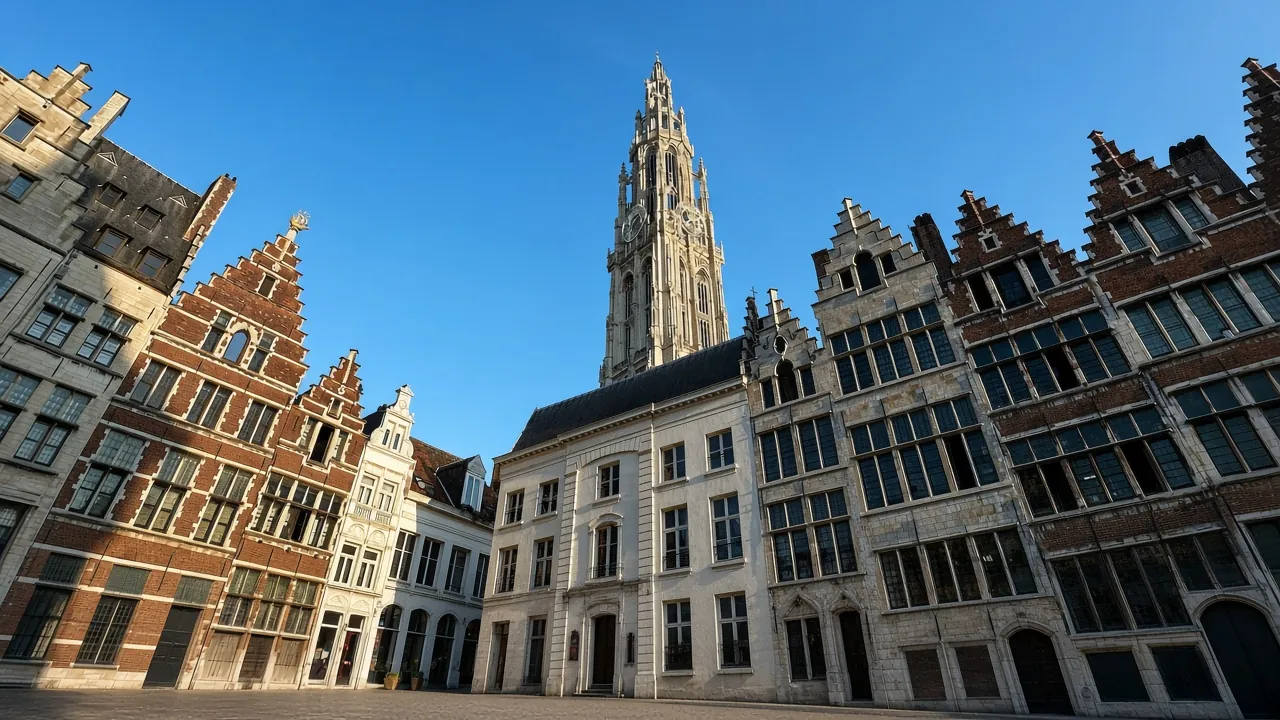
Antwerp is the largest city in Flanders, a historic port on the Scheldt and a long-standing centre of the diamond trade, with a dense old town around the Cathedral of Our Lady and the Grote Markt. The cathedral's tower, the guildhalls on the square and the house of Peter Paul Rubens are the usual first landmarks; later docks at Het Eilandje now hold museums and a waterside quarter. Cruise ships often berth near those older docks, a short walk or a brief tram ride from the historic centre. A first day holds together if you stay in the old town and along the river, rather than trying to see the whole modern port.
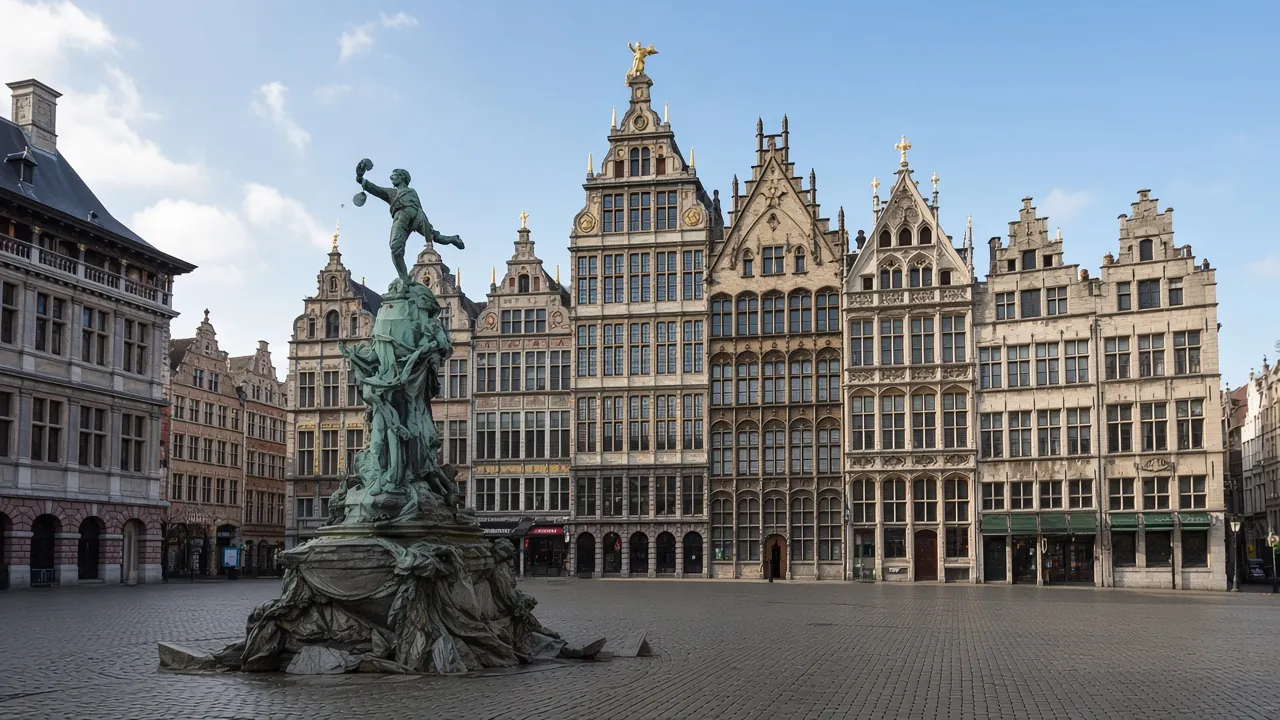
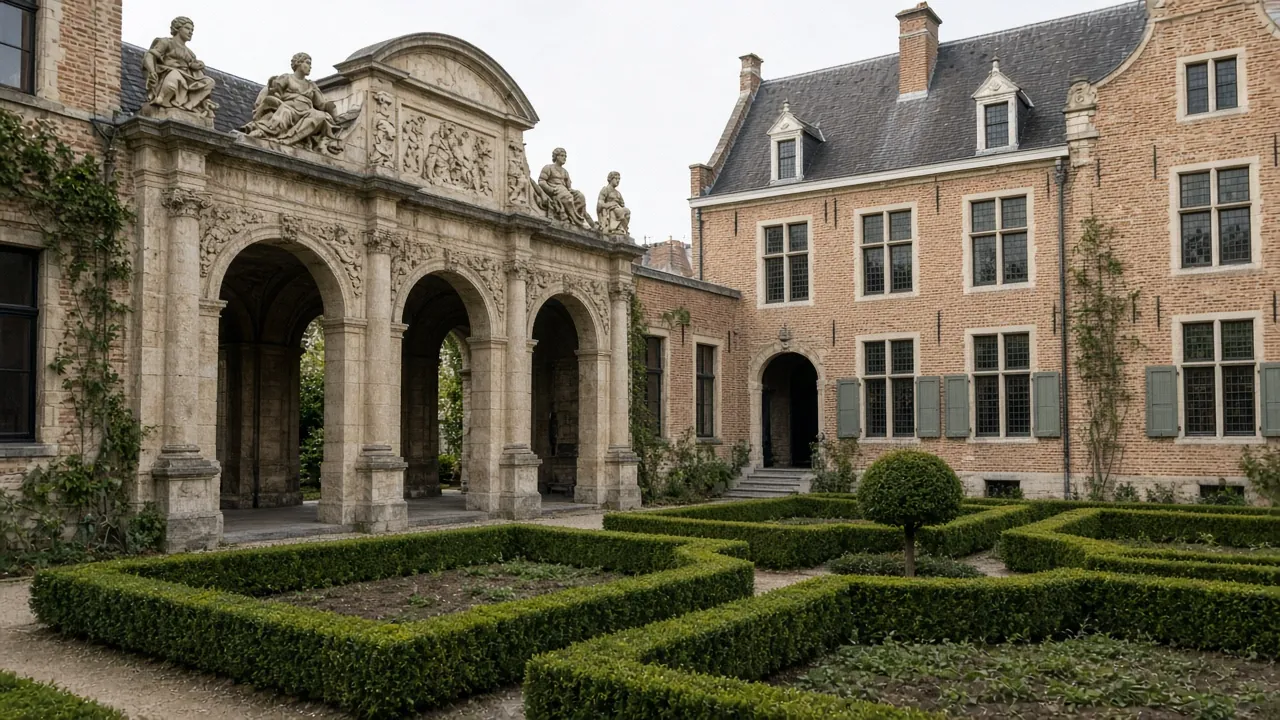
The Cathedral of Our Lady organises the old town: a single soaring north tower, a wide nave, and several important paintings by Peter Paul Rubens inside. The Grote Markt, a short walk away, is the civic square, with the guildhalls and the Brabo fountain in front of the city hall, a compact, photogenic heart that still functions as a daily square rather than as a fenced monument. From here the old streets run down toward the Scheldt, and you can walk the river promenade for a sense of the water that made the city. Rubenshuis, the painter's house and studio, is a few minutes from the centre and is the right museum if you want one name to stand for Antwerp's Golden Age.
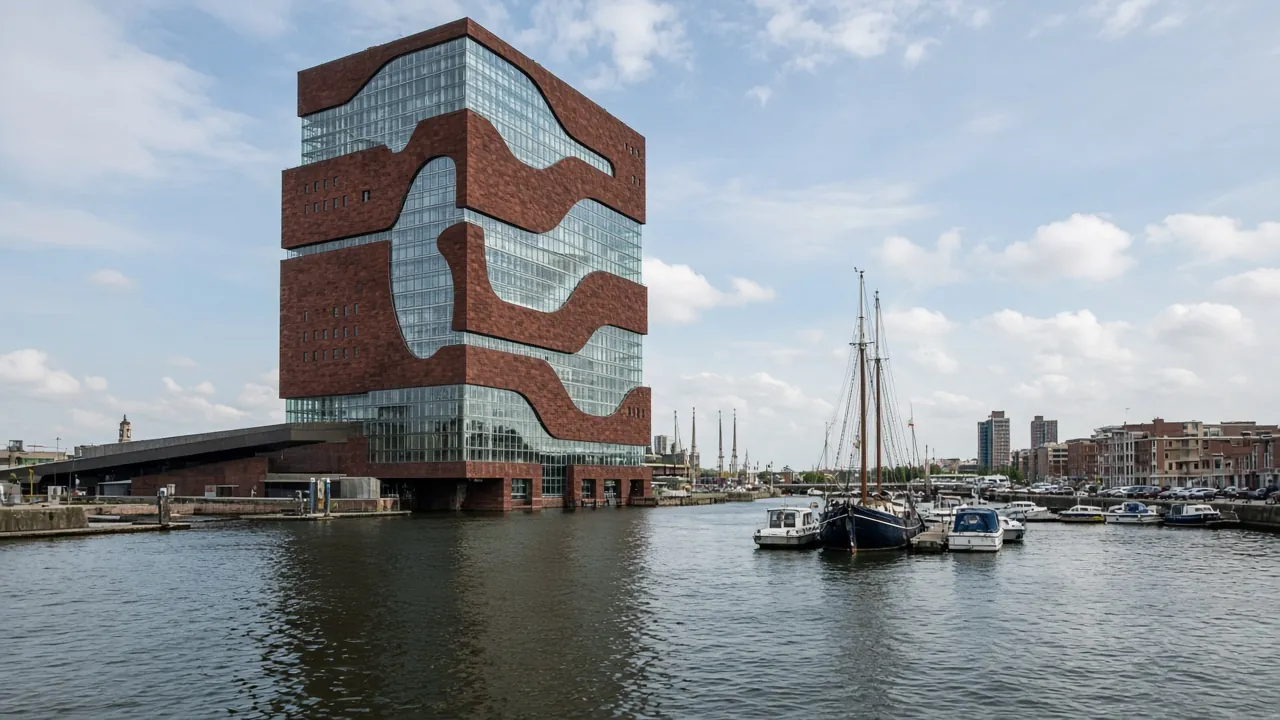
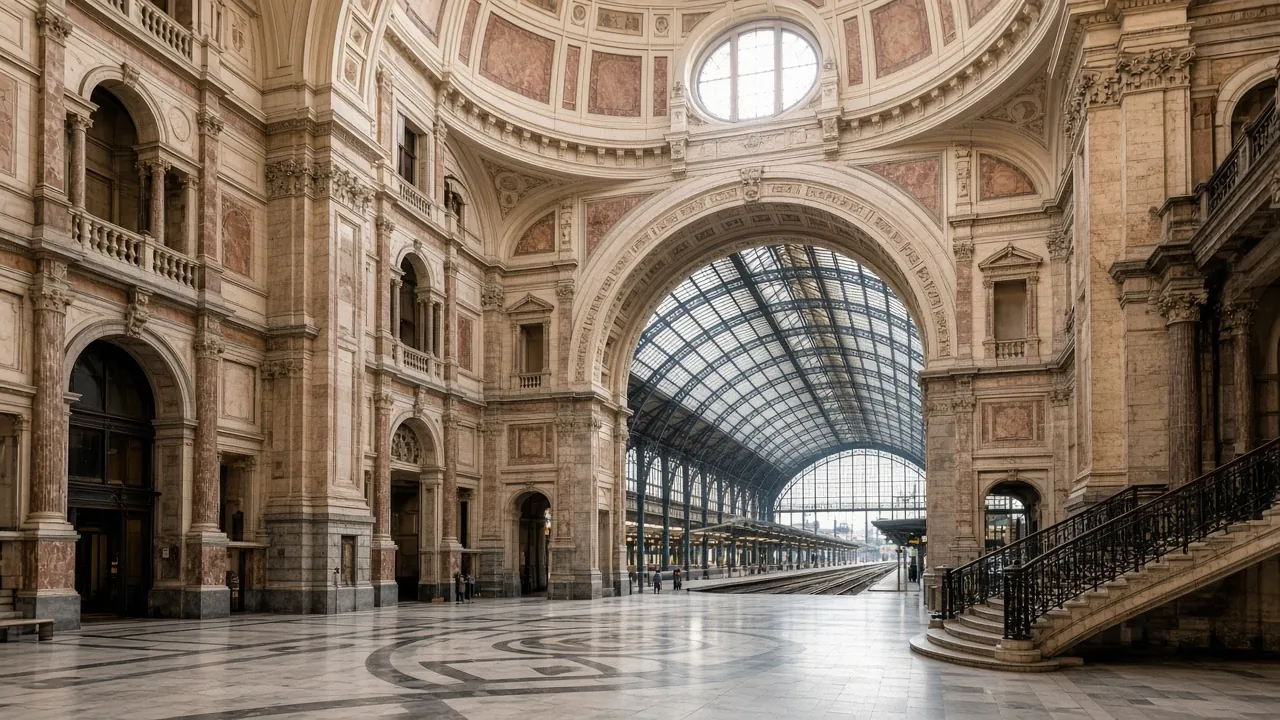
Het Eilandje, the older dock district just north of the historic core, has been remade with the Museum aan de Stroom (MAS) as its landmark, a red sandstone tower of galleries with a rooftop panorama. It is a pleasant, slightly later quarter, and it is often close to where ships berth. The diamond district, near the central station, is a working trade neighbourhood more than a visitor spectacle; the station itself, a grand early-twentieth-century building, is worth a look if your walk takes you that far, but it is not essential to a first day.
Food is one of Antwerp's everyday pleasures: Belgian cafés, fries, beer, good bakeries, and a denser restaurant scene than the city's size might suggest, including a serious interest in fashion and design that you will notice in the streets south of the centre, around the old fashion district. A lunch in the old town is easy and good.
Cruise ships often berth near the old docks at Het Eilandje, a short walk or a brief tram ride from the cathedral and the Grote Markt. That is close enough to spend the day on foot. Walk the square, go into the cathedral, add Rubenshuis or the MAS if you want a museum, and keep the river in the circuit. The modern port, one of Europe's largest, lies well beyond this, and it is an industrial landscape, not a visitor stroll. A first day in the old town and along the Scheldt is the right one; you can be back at the ship without a long transfer if you watch the clock in the usual way. The Meir, the city's main shopping street, runs from the old town toward the central station and can be included if you like a civic boulevard, but it is not essential. A simple circuit — Grote Markt, cathedral, a stretch of the Scheldt, and one museum — will already be a full, walkable day, and you will still be close to the usual cruise landing when you turn back.
Port landmarks
Shore Excursions
- Brussels Food Tour Experience: Waffle, Chocolate, Beer & More – 3 h 30 min
- Belgian Food, Chocolate, Beer, Waffle, and Sightseeing All In Tour – 4 h
- Private Art Historian Tour Of The Royal Museum Of Fine Arts – 2 h
- Ghent Beer and Sightseeing Adventure – 4 h 30 min
- Marc's Belgian Beer Tour – 4 h
- Brussels Chocolate Walking Tour and Workshop – 3 h 30 min
- Antwerp Beer Tour – 4 h
- Discover Brussels with a Local Expert - Easy & Fun Way to Explore – 2 h 15 min