Antibes, France
Ports
Home • Ports • Europe • France • Antibes
About Antibes
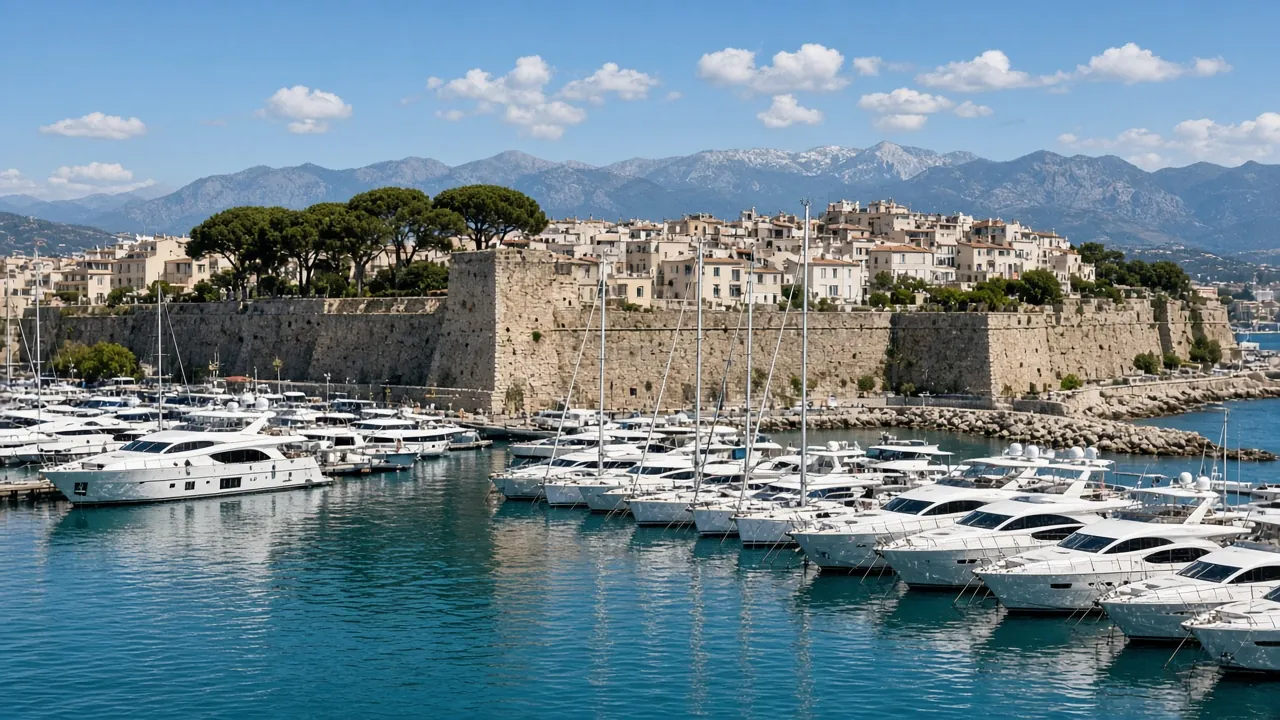
Antibes sits on the French Riviera between Cannes and Nice, a ramparted old town beside Port Vauban, one of the Mediterranean's large yacht harbours. Cruise ships typically anchor off the town and land by tender at Port Vauban; some smaller vessels may berth there. There is no separate cruise terminal. The old town, the Provençal market and the Picasso museum in the Grimaldi château are a short walk from the harbour, and the station is close enough for a regional train toward Cannes or Nice. This page is Antibes, not Cannes or Nice, which have their own harbour pages. Leave time for the return to the named landing, not to a beach on Cap d'Antibes or a terrace in Juan-les-Pins that is not your ship.
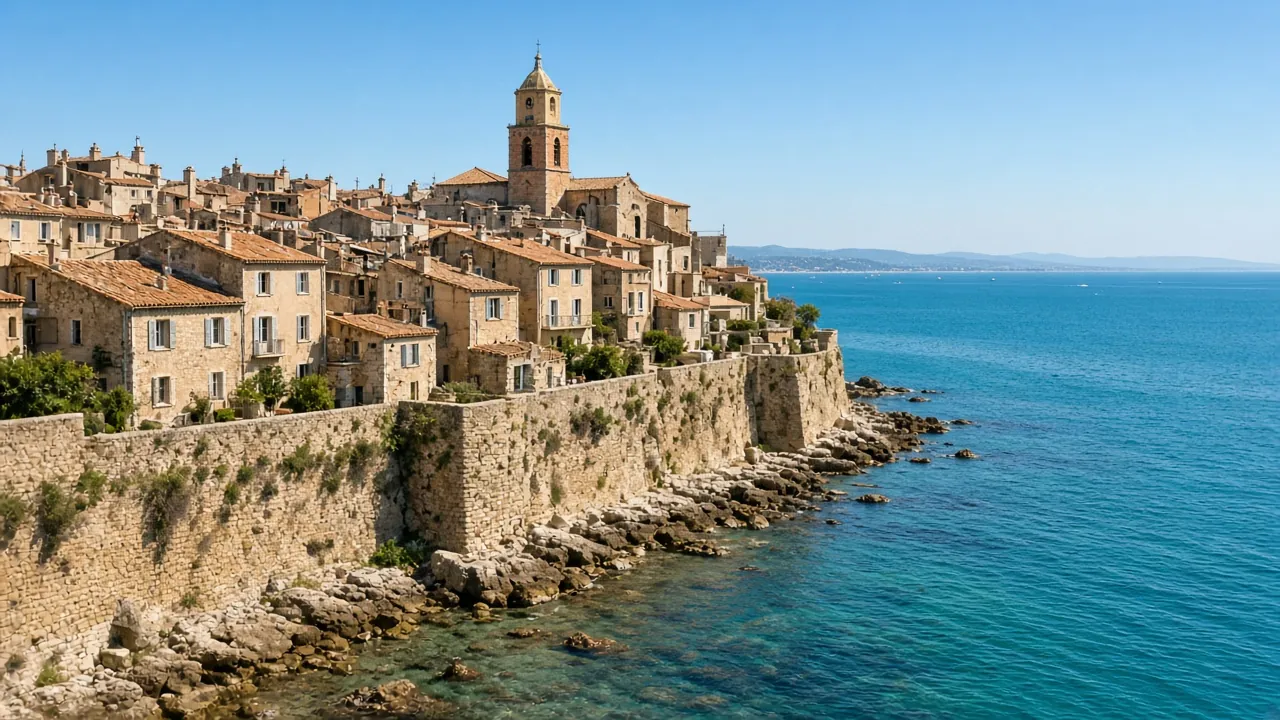
Antibes sits on the French Riviera between Cannes and Nice, a compact, ramparted old town hard against the water, with Port Vauban, one of the Mediterranean's large yacht harbours, immediately beside it. The harbour is a working marina of some fifteen hundred berths, not a purpose-built cruise terminal, and the day's papers are the place to confirm how you will land. Most cruise ships anchor off the town and bring passengers ashore by tender at Port Vauban; some smaller vessels may berth in the same harbour. In either case the walk into Vieil Antibes begins at the marina, not at a distant commercial dock.
This page is Antibes, not Cannes and not Nice, both of which have their own harbour pages. A regional train from Gare d'Antibes, a short walk from the harbour, will take you along the coast in either direction, yet a first call is usually better spent in the town you have actually landed in. The hours after a tender run disappear more quickly than they look from the anchorage.
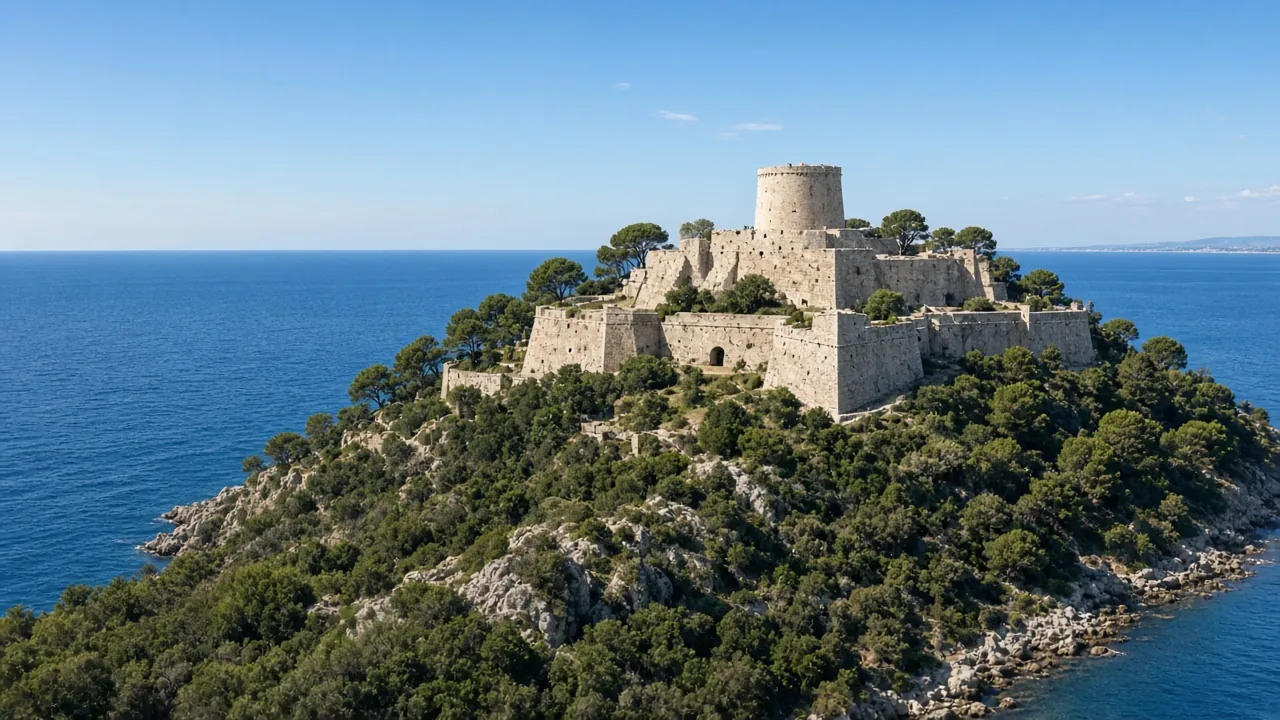
The old town is the natural first outing: the ramparts, the narrow streets behind them, the Provençal market on Cours Masséna when it is open, and the Picasso museum in the Grimaldi château, where the painter worked in 1946. Plage de la Gravette lies just below the walls, a small cove rather than a long resort beach. Fort Carré stands to the north of the harbour, a short additional walk if you want a view back over the marina and the old town together. None of these is far; a morning among them is a full, unhurried call.
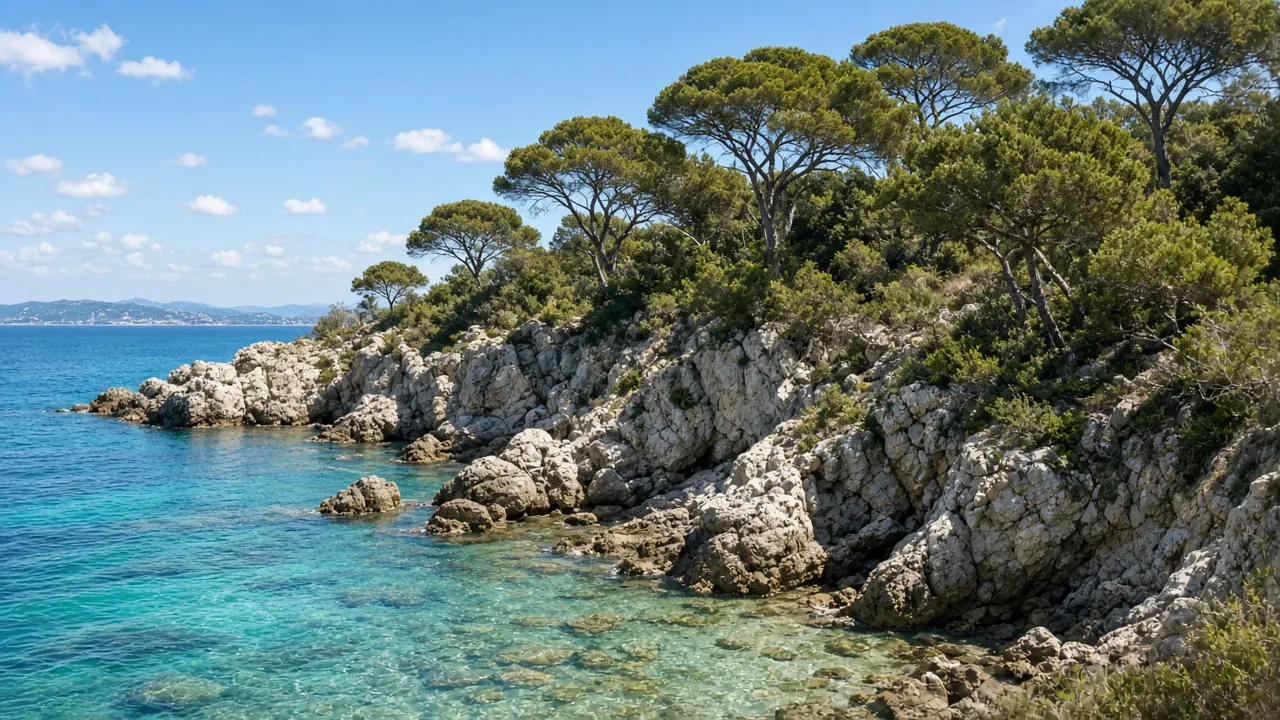
Cap d'Antibes and Juan-les-Pins belong to the same commune and are easy to add on a map. They are not the landing. The cap is a farther, more residential peninsula of villas, coves and a coastal path; Juan-les-Pins is a later beach town to the west, with a different pace and a longer return. Either can fill an afternoon if you have already seen the old town, or replace it if you prefer a beach day, but a plan that tries to do the museum, the cap and Juan-les-Pins usually spends its hours in transit.
Leave time for the return to the named landing in Port Vauban, not to a beach on the cap, a terrace in Juan-les-Pins or a train platform in Nice that is not your ship. If you have come ashore by tender, the last boat from the harbour is the edge of the day, and it is earlier than the ship's departure. Confirm that time before you walk out, and keep the name of the pontoon or berth with you. The marina is a controlled working harbour; follow the marked way back to the landing rather than cutting through berths. Antibes rewards a slow walk on its own ground. The neighbouring Riviera cities will still be there on a later call.
Port landmarks
Shore Excursions
- Private Shore Excursion to Èze, Monaco & Monte Carlo from Villefranche – 6 h
- Private: Cannes & The Lérins Islands from Antibes – 8 h
- Shore Excursion: Private French Riviera Tour Full Day from Monaco – 8 h
- Private Full-Day Chauffeur Service of the French Riviera – 8 h
- Private: A Taste of the Italian Riviera from Eze – 8 h
- Private: In the Footsteps of Picasso from Saint Paul de Vence – 8 h
- Private: Vineyards of the Var From Cannes – 9 h
- Walking Tour in Nice with Tastings and Stories – 2 h
- Private: Riviera to Provence Transfer with Touring From Antibes – 8 h
- Private: Aix-en-Provence Art & Wine From Le Lavandou – 8 h
- Private: French Riviera Art & Artists from Antibes – 8 h
- Private: Monaco and Monte Carlo from Antibes – 8 h
- Private: Medieval Villages of the Loup Valley from Cannes – 8 h
- Private: Var Vineyards Transfer with Touring From Le Lavandou – 9 h
- Private: A Taste of the Italian Riviera from Monaco – 8 h
- Shore Excursion: French Riviera Sightseeing Tour from Cannes – 9 h
- Italy and French Riviera Day Tour: Sanremo, Dolceacqua & Menton – 8 h
- Private: Medieval Villages of the Loup Valley from Antibes – 8 h
- Private: Riviera to Provence Transfer with Touring From Cannes – 8 h
- Shore Excursion: French Riviera Sightseeing Tour from Nice – 9 h
- Private: Cannes & The Lérins Islands from Cannes – 8 h
- Private Villefranche Shore Excursion to Nice, Cannes, Grasse & Saint-Paul-d – 7 h
- Private: Saint Paul de Vence - Art & Artists from Antibes – 8 h
- Visit Monaco, Monte Carlo and Eze (from Cannes) – 7 h
- Private: A Taste of Nice - Markets and Wine from Saint Paul de Vence – 8 h
- Private: Les Trois Corniches from Nice – 8 h
- Antibes Shore Excursion: Private Provence Wine Experience – 8 h
- Private Transfer From Nice, Cannes or Monaco to Milan – 5 h
- Private: Vineyards of the Var From Vence – 9 h
- Shore Excursion: Private French Riviera Tour - Full Day From Nice – 8 h
- Shore Excursion: Cannes, Antibes, Saint-Paul from Nice – 7 h
- Cannes Traditional Food Tour - Eat, Learn and have fun with a Local – 3 h 30 min
- Private: Medieval Villages from Nice – 8 h
- Private Photoshoot with a Professional Photographer in Cannes – 1 h
- Shore Excursion: Saint Tropez & Port Grimaud Sights from Cannes – 7 h
- Private: Medieval Villages from Monaco or Monte Carlo – 8 h
- Private: Riviera Wine and Vineyards From Cannes – 8 h
- Private: Cannes & The Lérins Islands from Nice – 8 h
- Private: Saint Paul de Vence - Villages & Vines from St. Paul de Vence – 8 h
- Shore Excursion: A Day in Monaco - Sightseeing Tour from Nice – 7 h