Angra do Heroísmo, Portugal
Ports
Home • Ports • Europe • Portugal • Angra do Heroísmo
See all 21 tours in Angra do Heroísmo
About Angra do Heroísmo
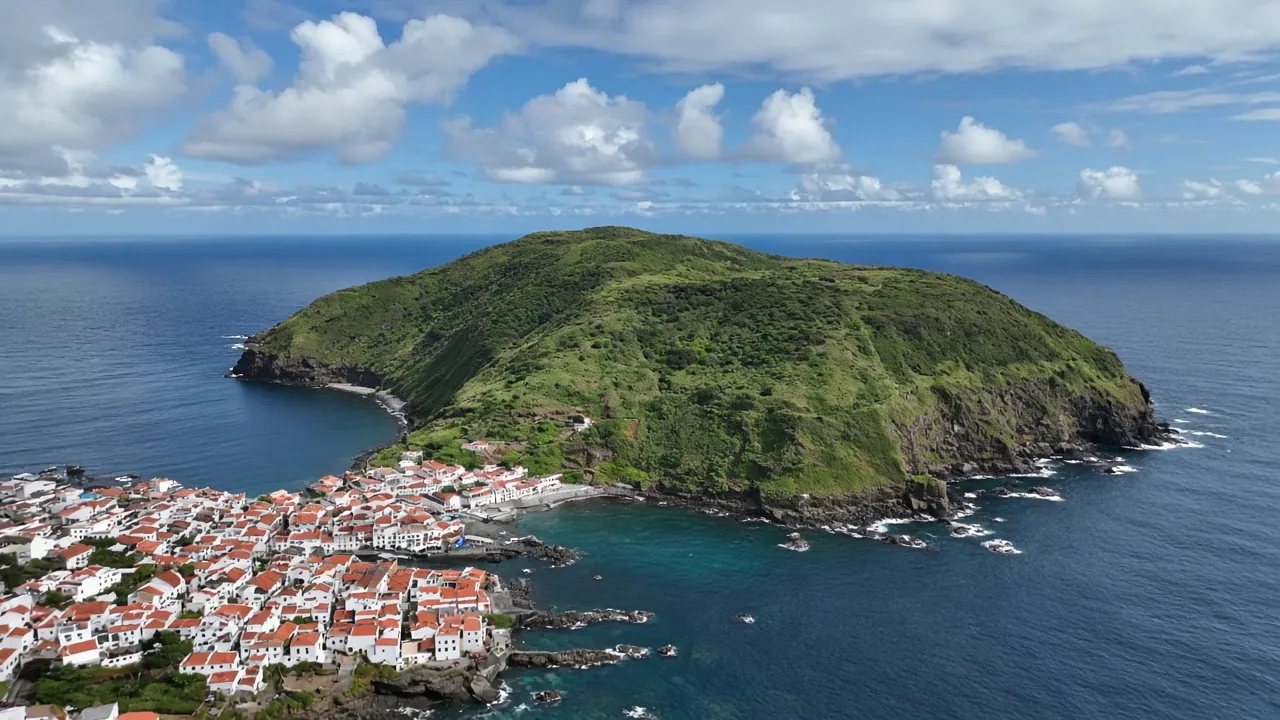
Angra do Heroísmo occupies a wide volcanic bay on Terceira, in the Azores, and its historic centre — a UNESCO site of streets, churches and a waterside praça — is among the finest in the mid-Atlantic. Monte Brasil, the extinct crater that shelters the harbour, rises immediately behind the town and gives the bay its shape. Ships may berth at the commercial quay or, when the swell or the ship's size asks for it, send boats ashore; the landing in use is worth knowing, and the last return belongs in the same plan. The old town is close once you are on the waterfront, a place of black and white paving and pale facades. The rest of Terceira is a longer island day.
Angra do Heroísmo occupies a wide volcanic bay on Terceira, in the central Azores, and its historic centre is a UNESCO site of streets, churches, a waterside praça and pale facades over black and white paving. Monte Brasil, the extinct crater that shelters the harbour, rises immediately behind the town and gives the bay its enclosed, almost theatrical shape. A walk up onto the crater, when the weather is clear, is the best way to understand why the anchorage was so prized, and why a city grew just here.
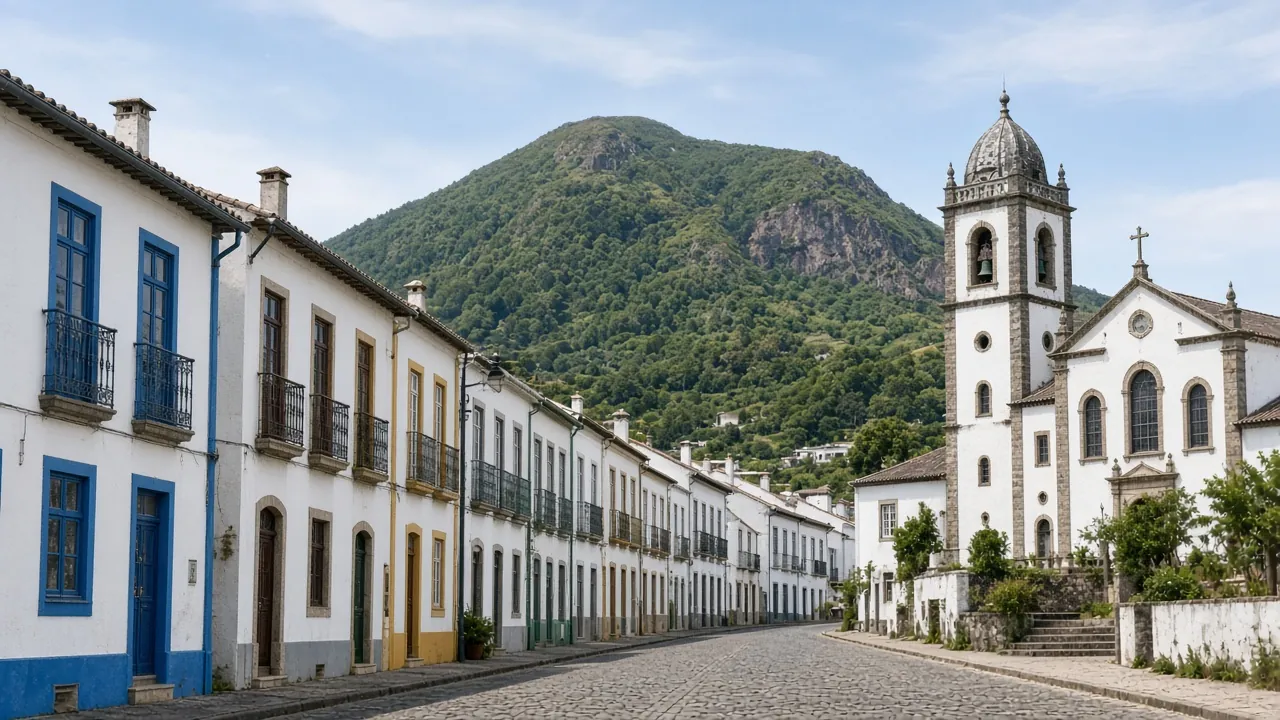
Ships may berth at the commercial quay or, when the swell or the ship's size asks for it, send boats ashore. The landing in use is worth knowing, and the last boat or transfer back belongs in the same plan. Once you are on the waterfront, the old town is close: the Sé, the colour of the civic buildings, the misericórdia, the tight streets that run inland from the praça. It is a city of a walkable scale, with a formal Portuguese civic dignity that has survived earthquake and isolation.
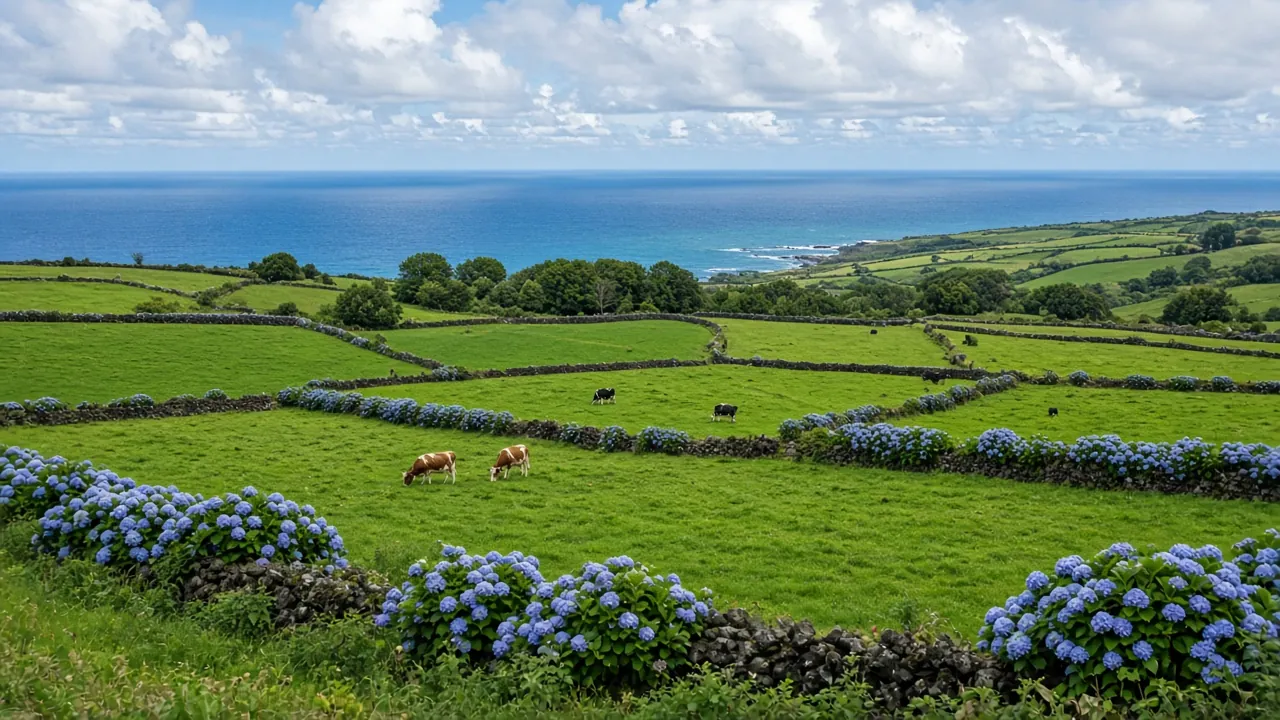
The rest of Terceira — the bull-ring parishes of the interior, the hidden coves, the wine country of Biscoitos — is a longer island day. One inland circuit is plenty if you also want time in Angra itself. The island is not large, but the roads are winding and the weather can close in quickly, as it does throughout the Azores. A harbour afternoon that tries to see every parish will spend itself in a car.
The climate is mild and changeable, with wind off the Atlantic and rain that can arrive between two patches of sun. Food is Azorean and generous: fresh cheese, fish, alcatra, the island's slow-cooked beef, and wine from the sheltered north. Portuguese is the language of the streets; English is thinner than in Funchal, though it is used in the harbour trade. The old town is the place to eat, not a generic waterfront strip.
Angra is not Ponta Delgada, and it is not the mainland. It is a mid-Atlantic capital of a modest, proud kind, and a day that stays with the praça, the crater and one interior road already has Terceira in hand. Leave a margin for the landing, especially if you came in by boat and the swell has risen while you were up on Monte Brasil.
The praça and the waterfront will wait if you go up the crater first, and they are the right place to come back to before the landing. Terceira has a strong civic pride and a quiet sense of its own history, and both are easier to feel in the streets than from a moving coach. Leave a margin for the quay, and let the bay, with Monte Brasil standing over it, be the image you take away.
Port landmarks
Shore Excursions
- Private: 4X4 Mud Adventure – 8 h
- Land & Ocean Fishing + Jeep tour with outdoor Lunch – 8 h
- Private: 4x4 Tour Around Terceira Island – 8 h
- Private: Whale Watching + Jeep Tour – 8 h
- Small Group: Whale Watching + Jeep Tour – 8 h
- Small Group: Azores Fishing Trip – 8 h
- Lagoinha Hike – 3 h
- Bullfight Tour – 9 h
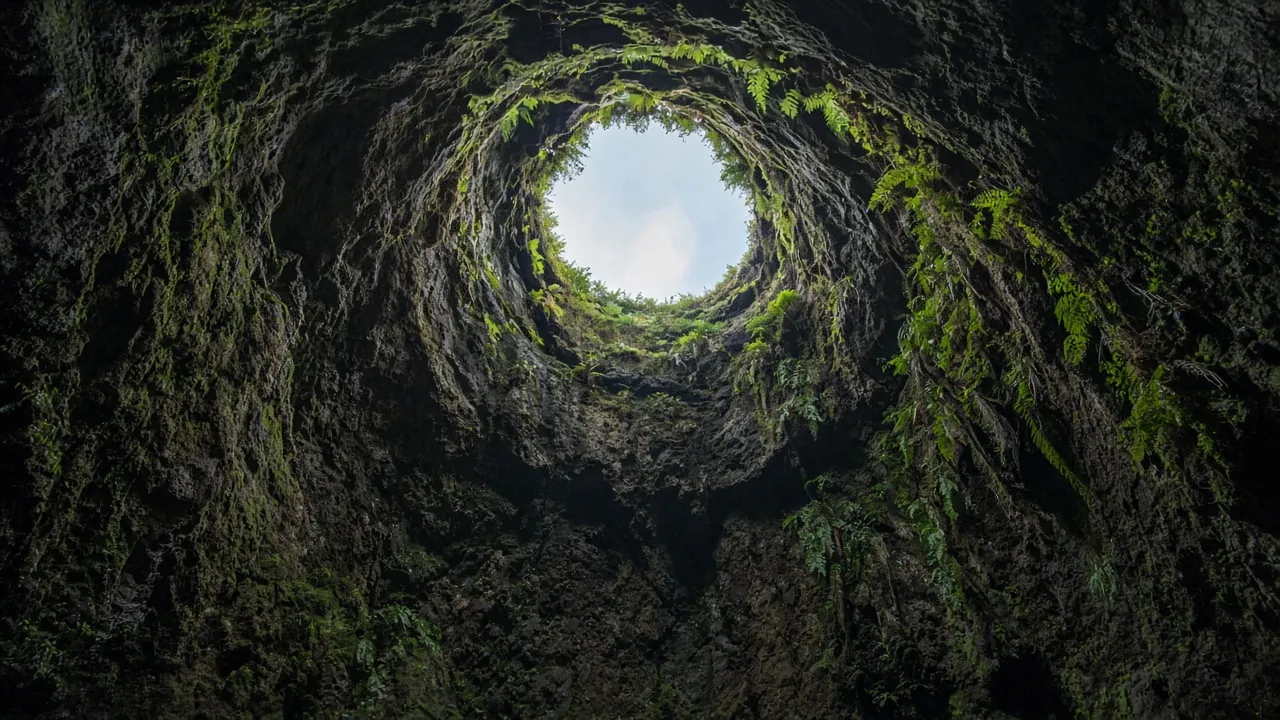
- Algar do Carvão Caving – 2 h 30 min
- Group: 4x4 Tour Around Terceira Island – 8 h
- Private Tour: Day at The Farm – 8 h
- Private Half Day Terceira Island 4x4 Experience – 4 h
- Baia dos Baleeiros Hike – 2 h 30 min
- Group Tour: Day at The Farm – 8 h
- Rocha do Chambre Hiking Trail – 2 h 30 min
- Half Day Terceira Island 4x4 Experience – 4 h
- Private Azores Fishing Trip – 8 h
- Wines & Moonshines with outdoor Lunch – 8 h
- Misterios Negros Hiking Trail – 2 h 30 min
- Wines & Moonshines with outdoor Lunch Private Tour – 8 h
- Group Tour: 4X4 Mud Adventure – 8 h