Amsterdam, Netherlands
Ports
Home • Ports • Europe • Netherlands • Amsterdam
See all 173 tours in Amsterdam
About Amsterdam
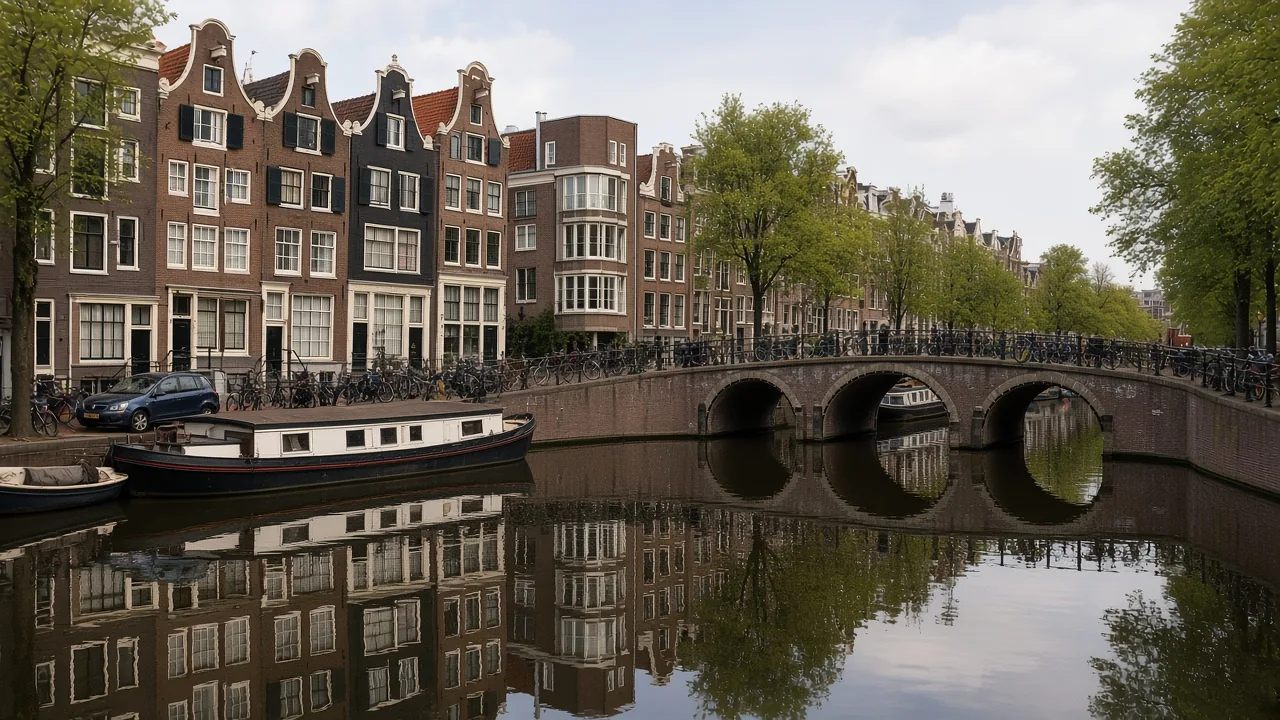
Amsterdam is a low, canal-laced capital of tall gabled houses, bicycles and a tight historic core that rewards a calm circuit more than a race around every famous name. The UNESCO canal belt is the heart of a first visit, best seen on foot or from a small boat, with the Magere Brug and the Anne Frank House within easy reach. The passenger terminal stands on the IJ, close to the centre, so you can be among the canals after a short walk or tram ride.
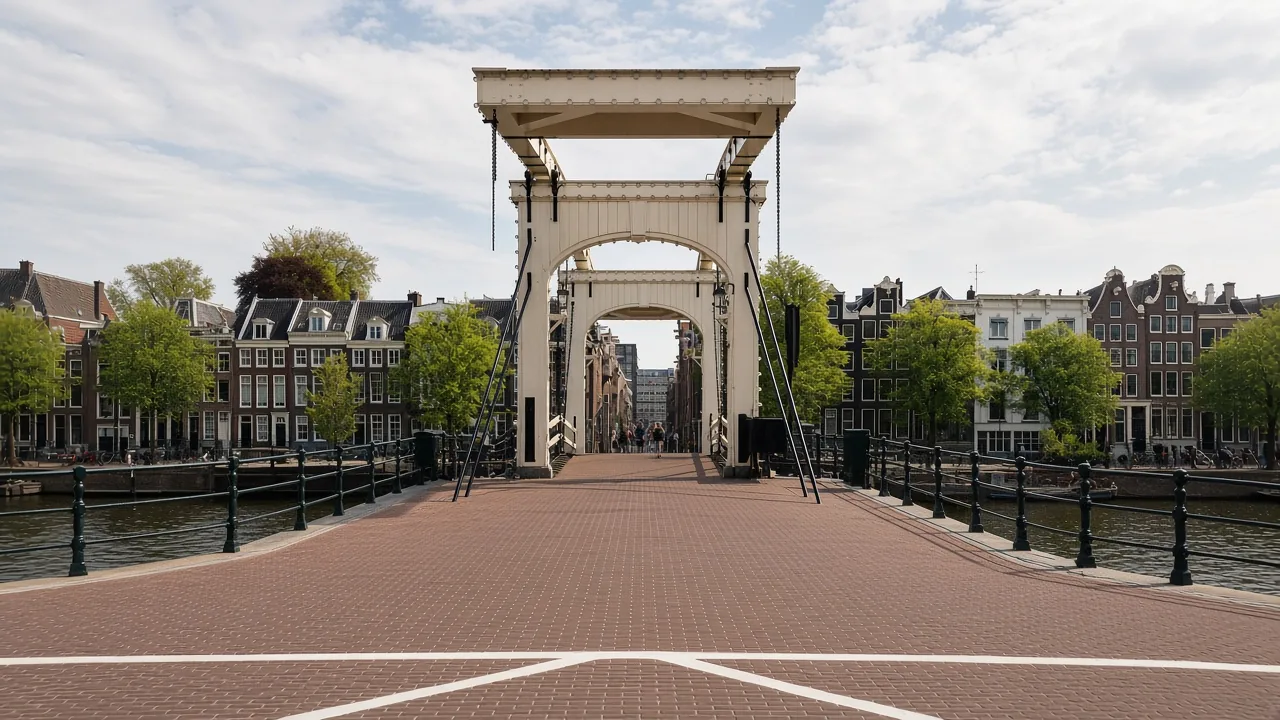
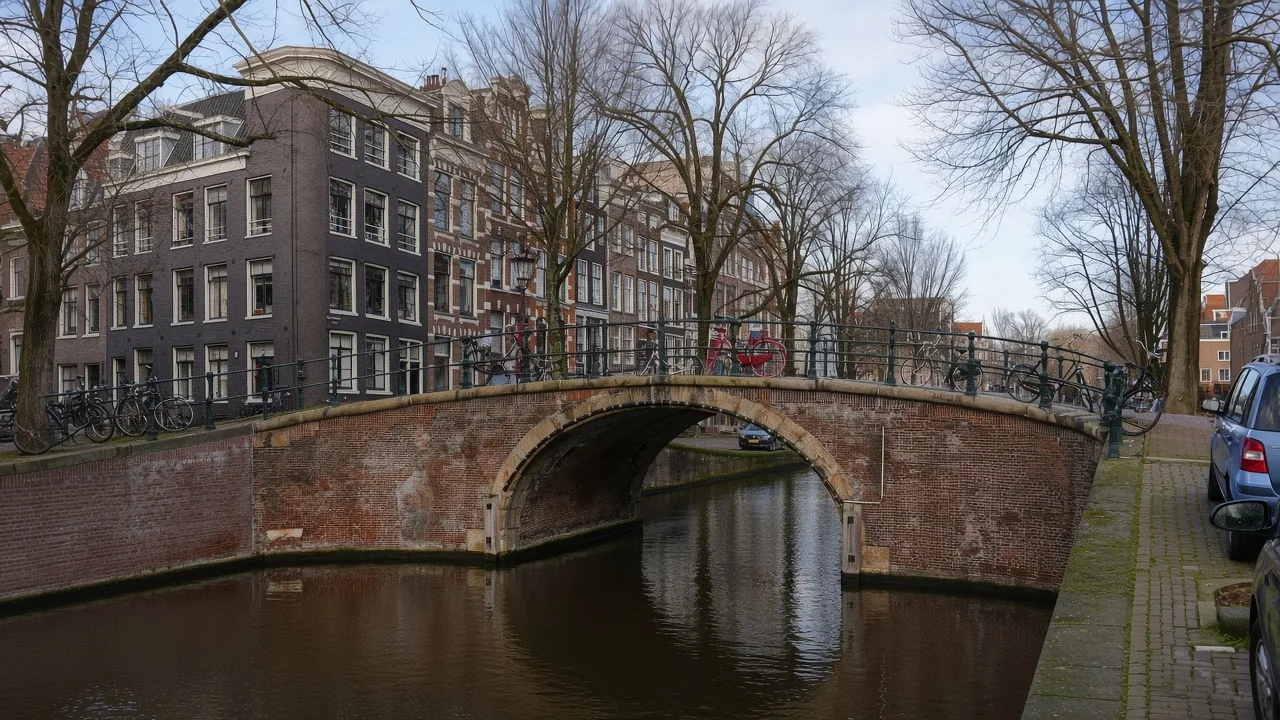
The canal belt is the heart of a first visit. A classic view is a still stretch of water lined with tall, narrow brick houses and a low stone bridge, often with bicycles parked along the railing. The houses, the reflections and the trees change from street to street, but the pattern is instantly recognisable, and you can spend a whole morning simply walking, crossing bridges and looking down the next canal. The Magere Brug, the white wooden Skinny Bridge over the Amstel, is one of the most familiar single landmarks, and it sits in a handsome stretch of river houses that is easy to include on a loop from the centre.
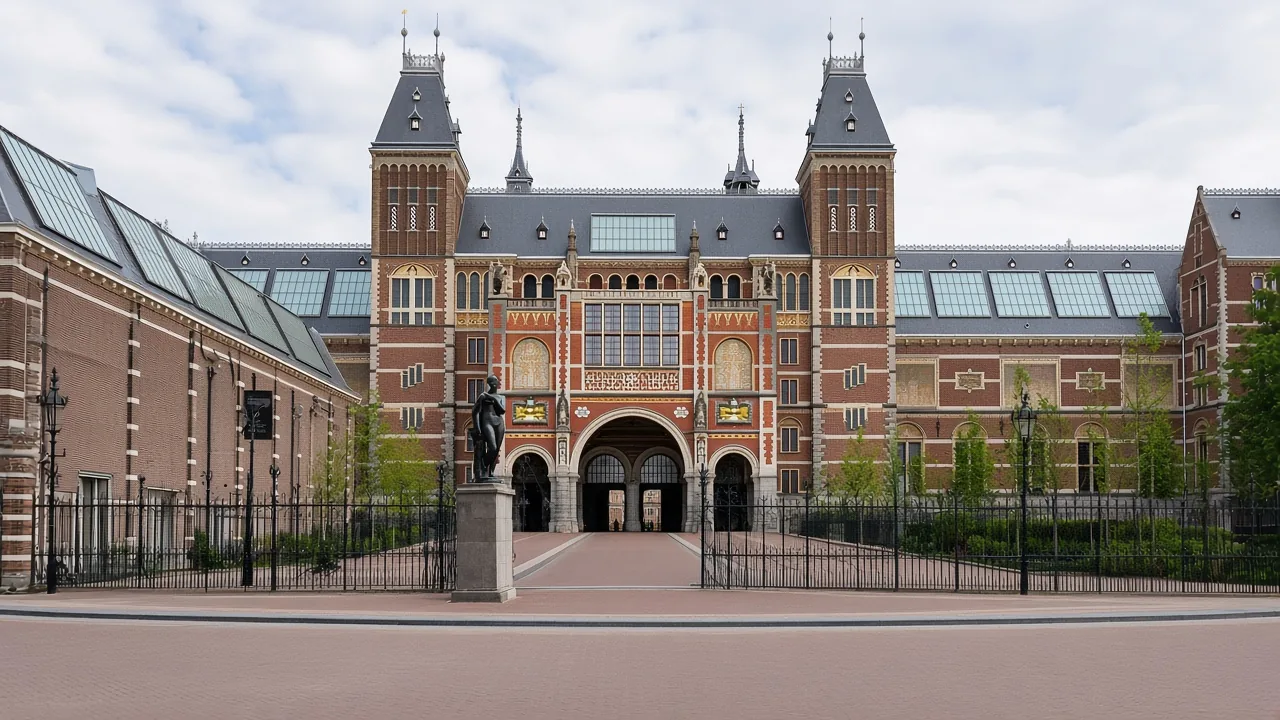
Museumplein, a little further south, is the place for the Rijksmuseum, whose ornate red-brick facade and central passageway are among the most recognisable buildings in the country. Even if you do not go inside, the building and the garden in front of it are worth the walk. If you do go in, be realistic about time: a museum of that size can fill the rest of the day, which is a good choice on a long call and a poor one if you still want a long canal walk before all aboard.
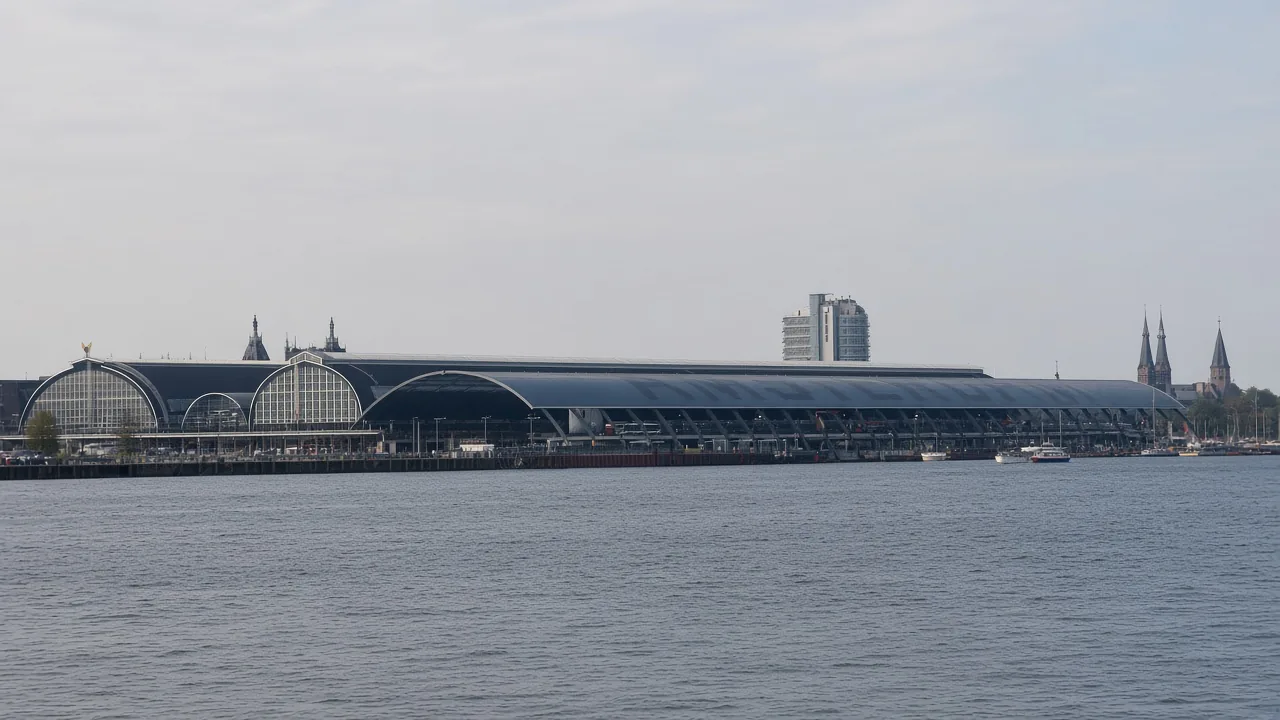
The IJ itself is part of the port experience. Standing on the waterfront, looking across the wide water toward the city and the rear of the central station, you see a working harbour edge rather than a postcard canal, and that contrast is useful. Ferries cross the IJ and are part of ordinary city travel, which makes the waterfront feel connected rather than cut off.
Getting around is easy if you respect the bikes. Trams, buses, metro, ferries and trains all work well, and many visitors walk farther than they expected because the distances look small on a map. Keep to the walking space, watch for cycles when you step off a bridge, and you will find the city straightforward. English is widely spoken, card payments are the norm, and the currency is the euro. The weather can shift from bright to wet in an hour, so a light waterproof layer is more useful than an umbrella on windy quays and open bridges.
For food, Amsterdam is informal and international, with plenty of cafés, bakeries and casual restaurants in the canal belt. You can stop often, which suits a walking day, and you will not need to travel far from the centre to eat well before returning to the terminal.
A practical plan for a first call is to walk from the waterfront into the canal belt in the morning, continue to the Magere Brug, then either keep walking the canals or continue to the Rijksmuseum, depending on how much time you have. Leave a clear margin for the return to the terminal. Amsterdam is small enough to see well in a day, as long as you treat the museums as a choice rather than an obligation and give the canals the time they deserve.
Port landmarks
Shore Excursions
- Small Group Highlights of Holland Private Tour – 7 h
- Private Dutch Food Tasting And History Tour in Zaandam – 4 h
- Zaanse Schans Windmill Village with Cheese Tasting & Clog Factory – 3 h 30 min
- Amsterdam Open Boat Canal Cruise with Live Commentary – 1 h
- Highlight Rotterdam Bicycle Tour – 3 h
- Amsterdam: King’s Night Pub Crawl with VIP Club Entry – 4 h
- Delft: Private Full-Day Tour with Royal Delft, Vermeer Centrum and Lunch – 8 h
- Private Guided Half Day Tour in Zaanse Schans from Amsterdam – 3 h 30 min
- Customizable Private Rotterdam Highlights Tour with Historian – 2 h 15 min
- Haarlem Canal: 50-Minute Boat Cruise – 50 min
- Private Art Historian Tour with Priority Access: Rijksmuseum & Van Gogh – 4 h
- Private Day Tour To Enclosing Dike And Giethoorn From Amsterdam – 8 h 30 min
- The Hague and Delft: Private Half-Day Tour with Transfer – 4 h 30 min
- Private Half Day Tour from Amsterdam to Edam Volendam and Marken – 4 h
- Private Luxury Boat Trip To Zaanse Schans From Amsterdam – 5 h 30 min
- Rotterdam and Delft: Private Half-Day Tour with Cube House and Transfer – 4 h 30 min
- Delft: Private Walking Tour and Royal Delft Factory – 3 h
- Delft: Private Walking Tour of the Dutch Golden Age – 2 h
- Amsterdam: Luxury Canal Cruise with Historic VR Experience – 1 h 15 min
- Amsterdam: Private Walking Tour of the Canal Ring and Jordaan – 2 h
- Amsterdam: Ludwig's City Center Pub Crawl with VIP Club Entry – 4 h
- Amsterdam: Private Van Gogh Museum Tour with Entry Tickets – 1 h
- Amsterdam Light Festival Private Cruise With Welcome Drink – 1 h 30 min
- Vincent van Gogh Walking Tour With Letters & Stories in Amsterdam – 3 h
- Canal Cruise Boat with Drinks and Cheese – 1 h
- Wetlands Safari Guided Canoe Picnic Tour – 4 h 30 min
- Private Customizable Delft Highlights Walking Tour – 2 h 15 min
- Live Guided Tour from Amsterdam: Zaanse Schans & Volendam – 5 h
- The Hague, Delft and Rotterdam: Private Full-Day Tour with Lunch – 8 h
- Amsterdam Evening Cruise – 1 h 30 min
- Liberal Thought & Free Press Walking Tour of Historic Amsterdam – 2 h 15 min
- Eating Amsterdam: Private Market Food Walking Tour & Stroopwafel Workshop – 3 h 30 min
- Private Guided Senior Friendly Countryside Windmill Tour – 5 h
- Private Kinderdijk Windmills, Delft City & Delft Blue Factory Visit – 7 h 15 min
- Amsterdam Canal Cruise with Snackbox & Van Gogh Museum – 3 h
- Private Dutch Food & Historical Tour in Zaandam from Hoorn – 4 h 30 min
- Houseboat Museum Amsterdam Self Guided Audio Tour – 30 min
- Amsterdam: Ludwig's Queer Pub Crawl with VIP Club Entry – 4 h
- City Sightseeing Hop On Hop Off Bus Tour Amsterdam + 1Hr Canal Cruise – Flexible · valid 24 h
- Amsterdam Craft Beer Brewery Tour by Bus with Tastings – 3 h