Alicante, Spain
Ports
Home • Ports • Europe • Spain • Alicante
About Alicante
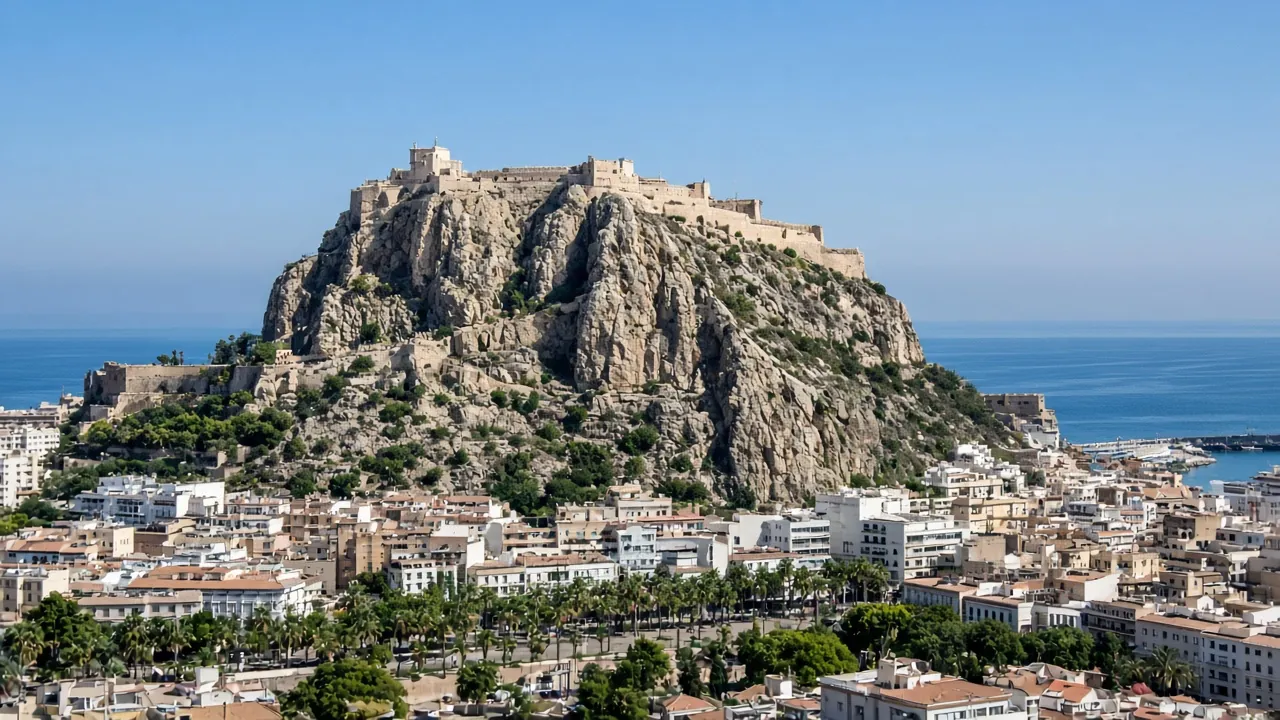
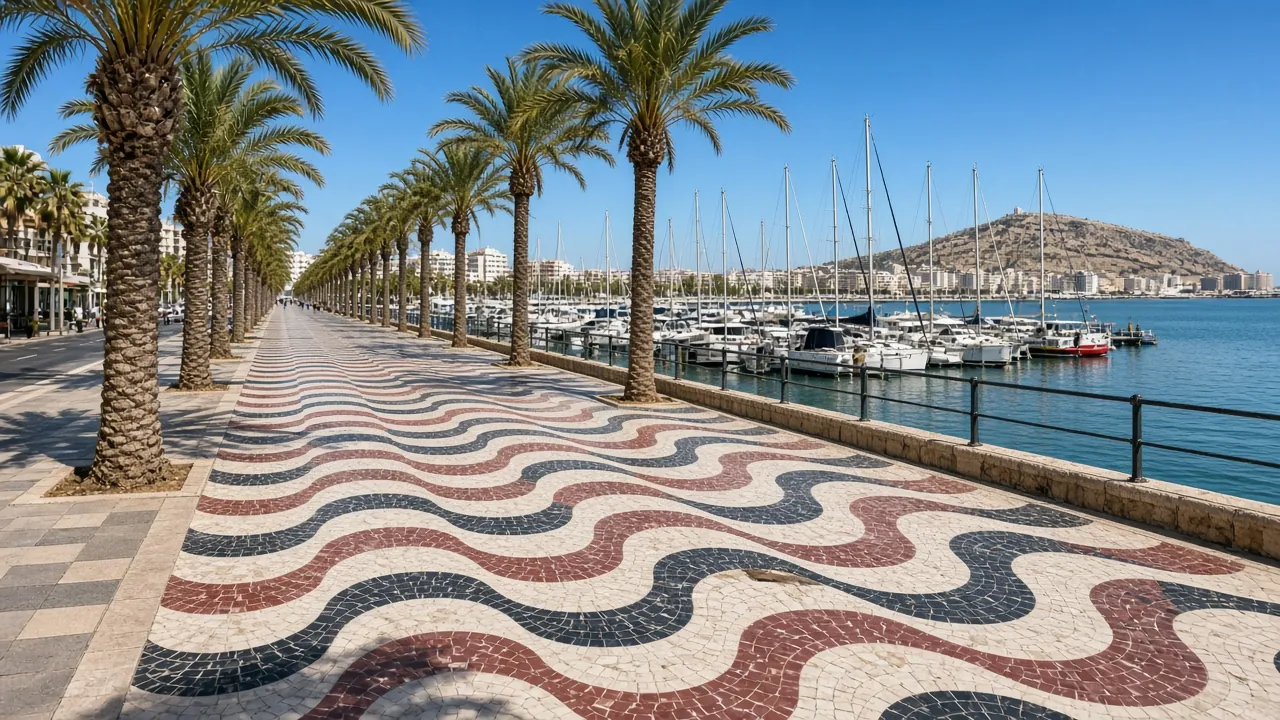
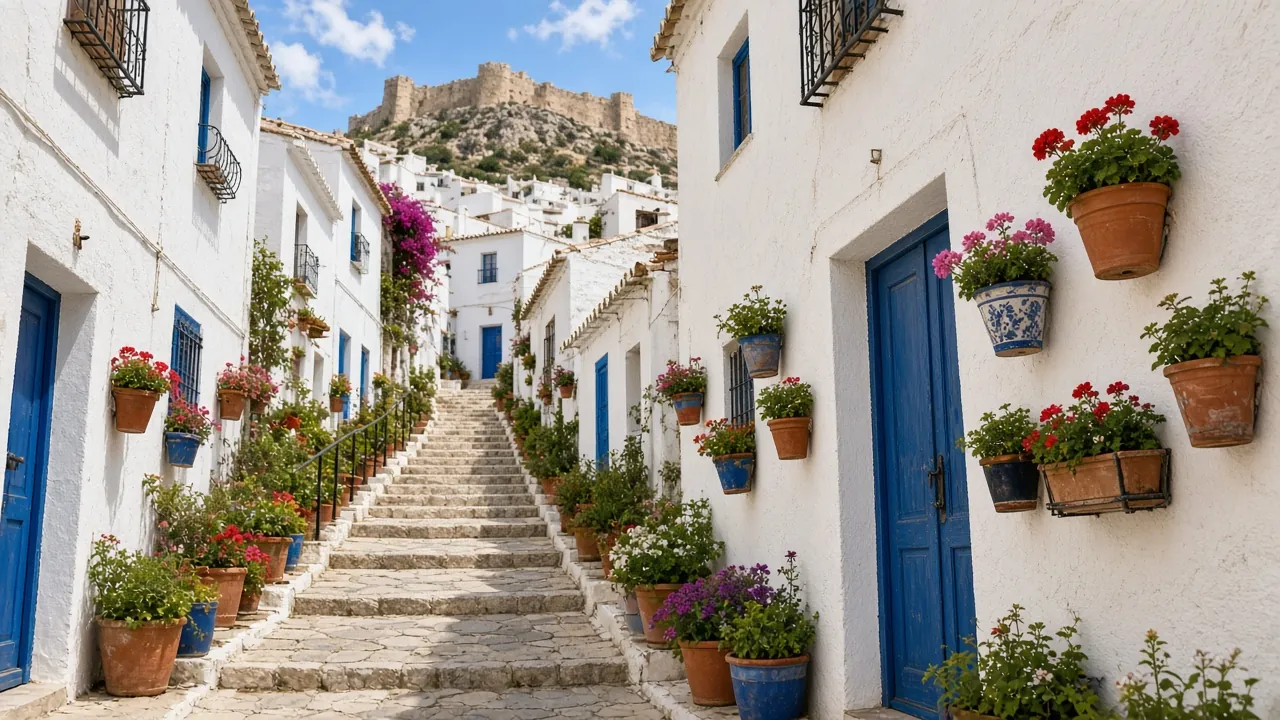
Alicante sits on Spain's Costa Blanca, a Mediterranean harbour under the castle of Santa Bárbara on Mount Benacantil, with a palm-lined Explanada, a tight old barrio and a long waterfront. The cruise terminal is in the commercial port; depending on the berth, the Explanada and the old streets are a short walk or a brief shuttle ride, not a long inland transfer. The castle is a steep climb or a lift from the hillside, and the view back over the harbour is the point of the ascent. This is not Valencia, and it is not Cartagena, which have their own harbour pages. The last return through the port is worth leaving time for, especially when more than one ship is in.
Alicante sits on Spain's Costa Blanca, a Mediterranean harbour under the castle of Santa Bárbara on Mount Benacantil, with a palm-lined Explanada, a tight old barrio and a long waterfront that the city uses as a promenade. The castle is the fact of the skyline, and the view back over the harbour from the walls is the point of the ascent, whether you climb the steep streets or take the lift from the hillside.
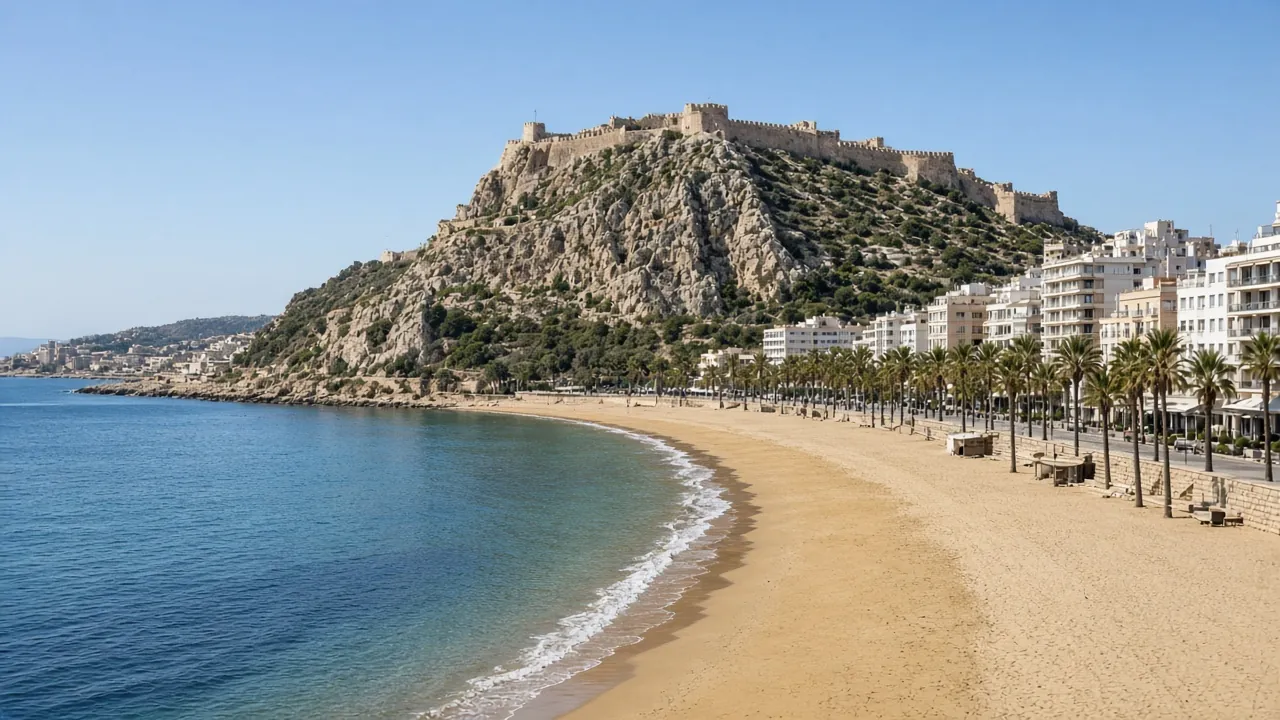
The cruise terminal is in the commercial port. Depending on the berth, the Explanada and the old streets are a short walk or a brief shuttle ride, not a long inland transfer. The landing in use is worth knowing, and the last return through the port is worth leaving time for, especially when more than one ship is in. The old barrio, the Explanada and a proper lunch already make a full harbour morning; the castle adds the height. The beaches of the city, and the later shore toward San Juan, are closer than a map of the Costa Blanca sometimes suggests, and they are a different, flatter hour if you want the water rather than the walls.
This is not Valencia, and it is not Cartagena, which have their own harbour pages and their own harbours. A day trip inland to Elche, with its palm grove, or along the coast, will take a good slice of the clock and needs a reliable way back. The city in front of you is enough, and it is more interesting at walking pace than from a coach on the way somewhere else.
The climate is dry and bright, hot in summer, milder in spring and autumn, with a light that is harder than Galicia's and a harbour that holds the heat of the day. Food is from the Valencian country as well as the sea: rice, perhaps a proper paella if you have the time and a place that still cooks it with care, tapas, and a long tradition of ice and shade in the afternoon. Spanish is the language of the streets; English is common along the waterfront. Leave a margin for the port gate, and let the castle and the Explanada set the pace of the call.
The Explanada, with its tiled pavement and its palms, is the city's drawing room, and a slow walk there at the start or the end of the day is worth more than it sounds. The castle walls are exposed and can be hot at midday; a morning ascent, or a later one with water, is the kinder version. If you go to the beach, remember that the port is still a port, and the same short transfer has to be done in reverse. Alicante is a generous, straightforward harbour city, and it rewards a day that stays with it rather than a day that only leaves.
Port landmarks