Adelaide, Australia
Ports
Home • Ports • Asia • Australia • Adelaide
About Adelaide
Adelaide, the capital of South Australia, is a planned nineteenth-century city of a regular grid and a belt of parklands, founded in 1836 by free settlers rather than as a convict port. It sits on a plain between the Mount Lofty Ranges and Gulf St Vincent, with a cultural stretch along North Terrace, a famous central market and the beach suburb of Glenelg at the end of a tram line. Cruise ships use the Port Adelaide Passenger Terminal at Outer Harbor, about 23 kilometres from the city centre — not a walk. A train from the station beside the terminal reaches Adelaide Railway Station in around half an hour to three-quarters of an hour; taxis and shuttles also run.
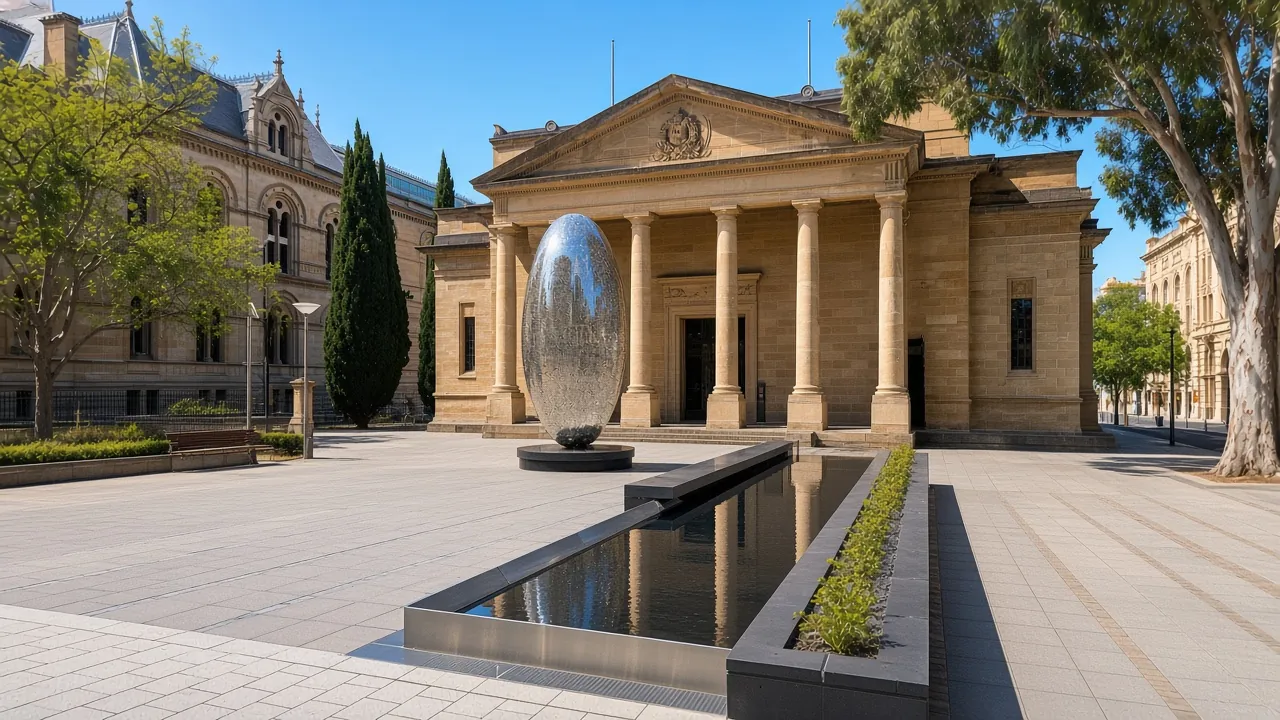
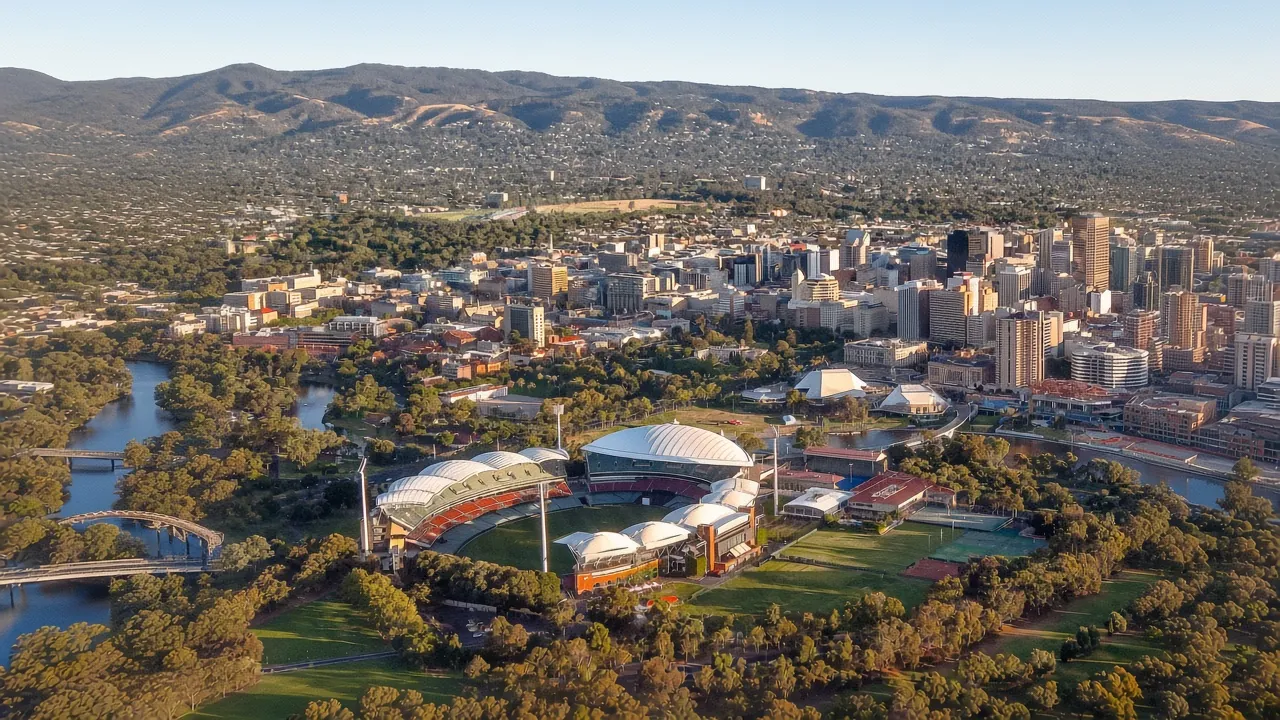
North Terrace is the cultural spine of the city: the Art Gallery of South Australia, the South Australian Museum, the State Library and the botanic garden sit in a single walkable stretch beside the parklands, with Adelaide Railway Station and Adelaide Oval just across the way. The oval, one of the country's most handsome cricket and football grounds, is worth seeing even from the riverbank. The city grid that Colonel William Light laid out is regular and easy to navigate, with the parklands wrapping the centre like a belt, a design that still gives Adelaide a sense of air and green unusual in an Australian capital.
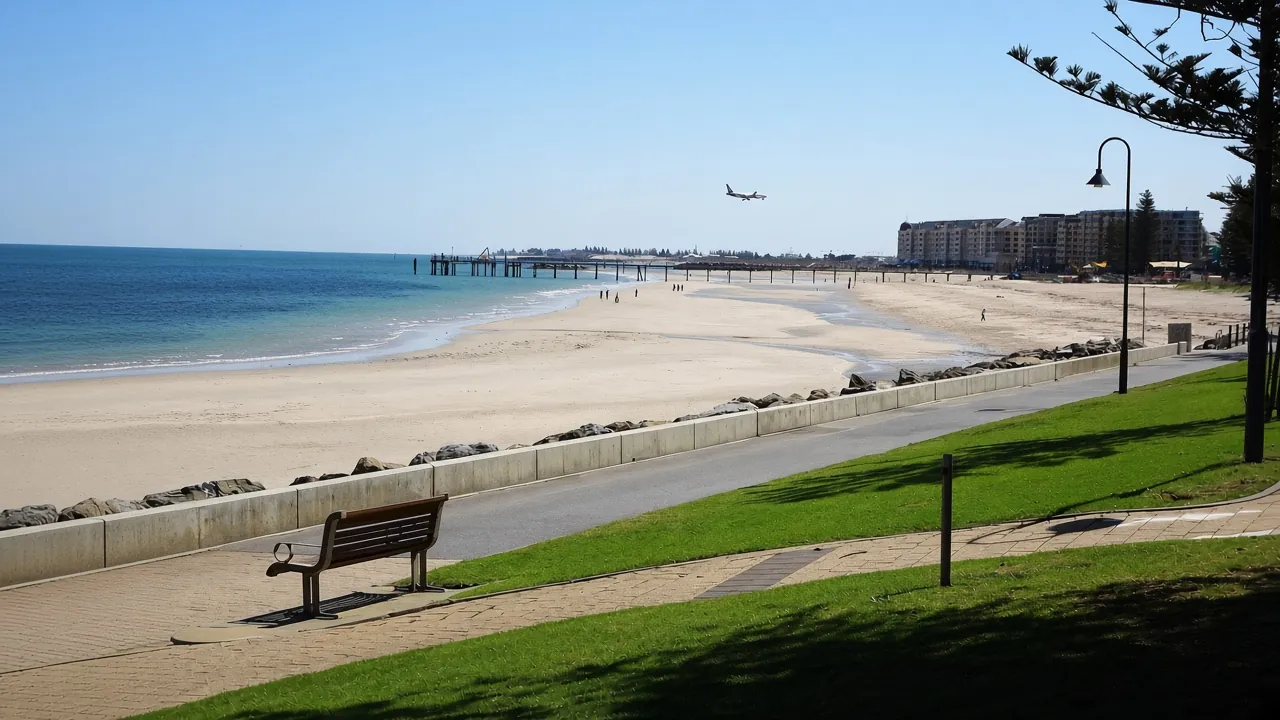
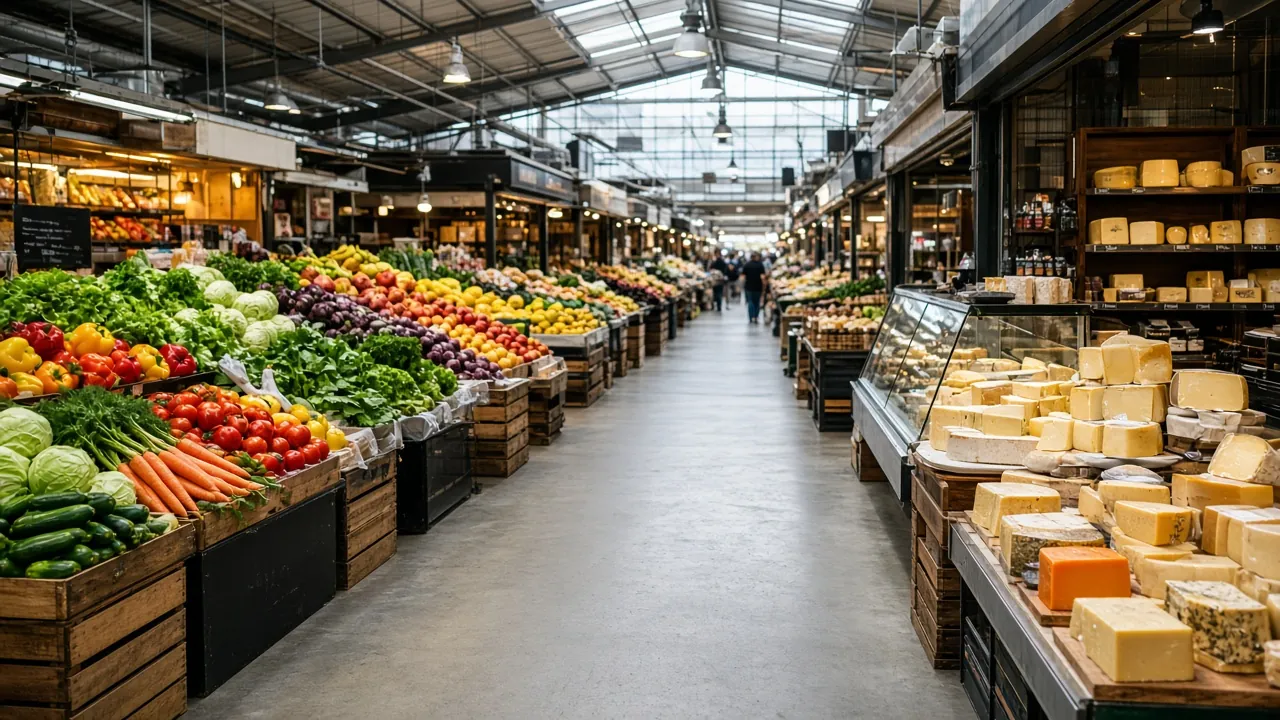
The Adelaide Central Market, a short walk south of the terrace, is the liveliest indoor stop: stalls of produce, cheese, meat, coffee and street food that tell you more about the city's daily life than a civic facade. Rundle Mall is the main shopping street next door. If you want the sea without leaving the metropolitan area, a tram runs from the city to Glenelg, a beach suburb with a jetty and a long foreshore on Gulf St Vincent. The Mount Lofty Ranges, east of the city, offer a view back over the plain if you have a longer call and a car or a tour; they are not a casual add-on to a market-and-gallery morning.
Adelaide was founded in 1836 as a planned colony of free settlers, on the land of the Kaurna people, and that origin still shapes its civic story: a city that likes to think of itself as orderly, cultural and a little apart from the older convict capitals. Food follows the market and the nearby wine regions of the Barossa and McLaren Vale; on a port day, lunch in or beside the Central Market is the simplest good plan.
The practical fact is the transfer. The Port Adelaide Passenger Terminal stands at Outer Harbor, about 23 kilometres from the centre, with Outer Harbor railway station a short walk from the terminal building. Trains to Adelaide Railway Station take on the order of 35 to 45 minutes, and on cruise days there is often a simple day ticket for city buses, trains and trams; taxis and shuttles also wait at the terminal. Port Adelaide itself, a historic inner-harbour suburb on the way into town, has maritime museums and a character of its own if you prefer not to go all the way to the city. Leave a wide margin for the return train, especially in the afternoon, and do not treat the terminal as if it were at the edge of the square.
Port landmarks
Shore Excursions
- Hardys Tasting In The Dark: A Wine Sensory Experience – 1 h 30 min
- Effervescence - A Sparkling Experience – 3 h
- Adelaide Central Market Food Tour with Tastings and Local Guide – 1 h
- Hardys Rare Fortified Tasting - An Expertly Crafted Collection – 45 min
- Taste The Barossa Premium Tour – 8 h
- Petaluma Yellow Label - Distinguished Vineyards & Seasonal Platter Package – 45 min
- Taste & Graze Barossa - Self Guided Food And Wine Trail – 4 h
- Half-Day Afternoon Wine Tasting And Adelaide Coast – 5 h
- Taste The Barossa - Behind The Scenes Private Tour – 8 h
- Grant Burge - "Just Bliss" Wine And Chocolate Experience – 45 min
- Croser Sparkling Wine Flight & Seasonal Platter Package – 45 min
- Adelaide Walking Food Tour with Local Sweets & Market Lunch – 2 h
- Adelaide Central Market Breakfast Food Tour with Local Guide – 1 h 30 min
- Full Day Adelaide Highlights with Wine Tasting and Coast – 9 h 15 min
- Day Of Indulgence: Barossa Wine and Dine Private Experience – 8 h
- Private Adelaide Walking Tour of Landmarks With Local Guide – 2 h
- Hardys Hidden Secrets Tour - If These Walls Could Talk – 1 h 30 min
- Adelaide City Highlights 90-Minute Guided Walking Tour – 1 h 30 min
- Adelaide Chinatown Walking Food Tour with Asian Street Tastings – 2 h
- Guided Walking Tour of Adelaide Icons, Landmarks & Hidden Stories – 3 h
- Cool Expressions Of Chardonnay & Seasonal Platter Package – 45 min
- Customized Private Walking Tour With Local Guide and Treats in Adelaide – 2 h
- Hardys Icon Wines Tasting: Embrace Hardy’s Timeless Wine Legacy – 45 min
- Private Adelaide Hills Premium Full Day Shore Excursion Cruise Port Pick-up – 8 h 30 min