Aberdeen, Scotland
Ports
Home • Ports • Europe • Scotland • Aberdeen
About Aberdeen
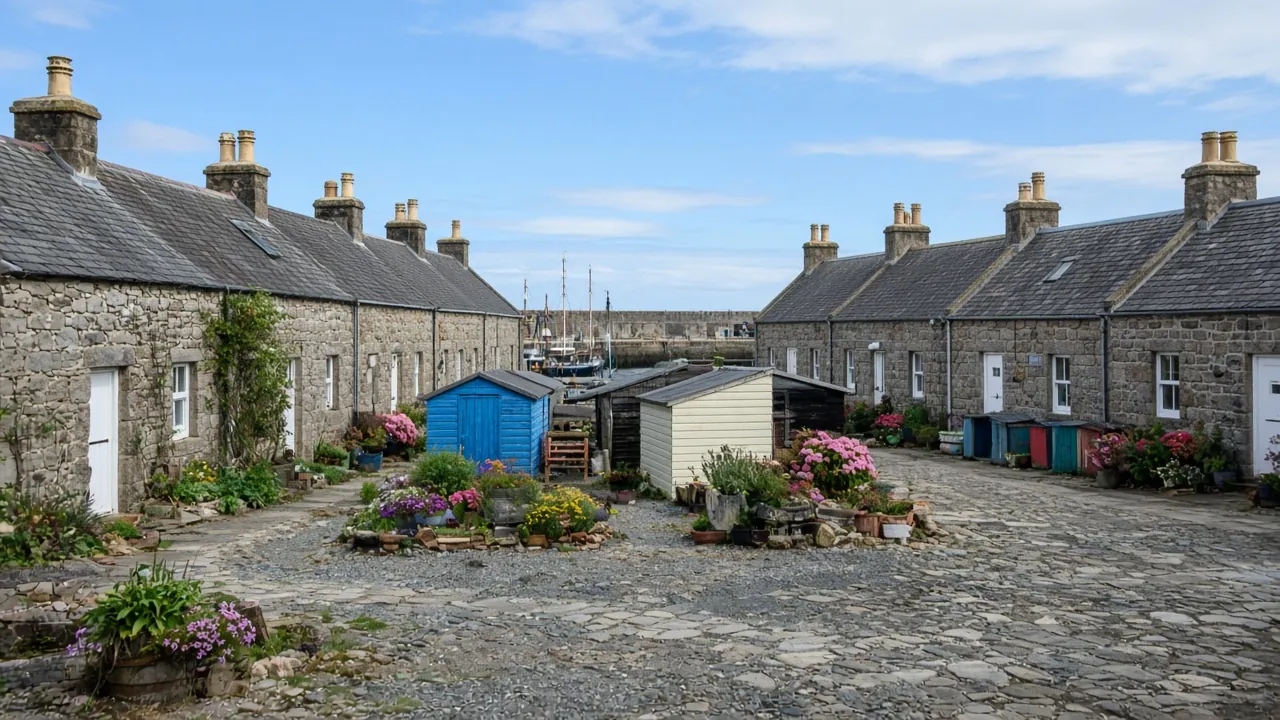
Aberdeen is Scotland's granite city on the North Sea, a harbour town of grey stone, a tight historic centre and a long relationship with the sea, from fishing to oil. Larger cruise ships now typically berth at South Harbour in Nigg Bay, about two miles from the centre, where a shuttle or a taxi is the usual first move; smaller and expedition ships may still use the old North Harbour, much closer to Union Street. The two landings make for different mornings, so the berth on the day's papers is worth knowing. Old Aberdeen, with King's College and the cathedral, sits a little north of the main streets. Keep the last transfer back to the ship in the same plan.
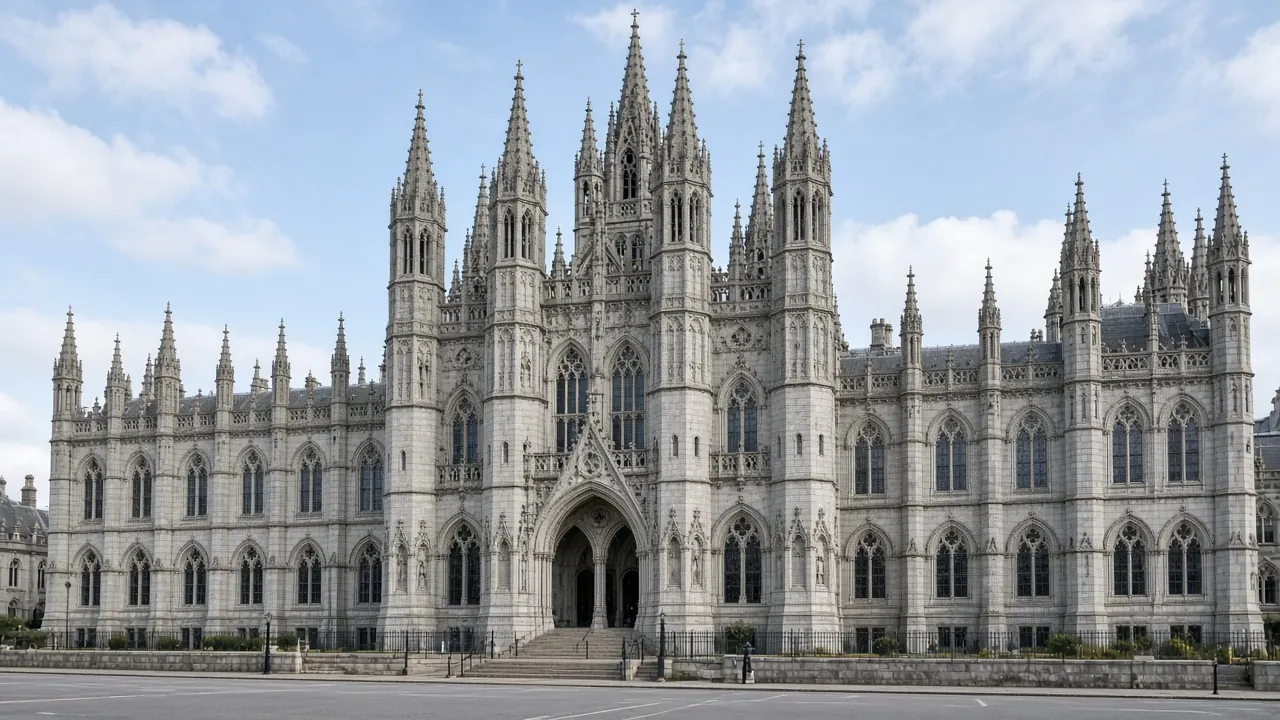
Aberdeen is Scotland's granite city on the North Sea, a harbour town of grey stone, a tight historic centre and a long relationship with the sea, from fishing to the oil industry that still shapes the docks. Union Street is the civic spine; the Maritime Museum sits close to the water, and Old Aberdeen, with King's College and St Machar's Cathedral, is a slightly separate, older quarter a little to the north of the main streets. The granite gives the city its particular, silver-grey light, which can be sombre on a dull day and almost bright when the sun is out.
Larger cruise ships now typically berth at South Harbour in Nigg Bay, about two miles from the centre, a new deep-water harbour opened in 2023. A shuttle or a taxi is the usual first move from there, and the last transfer back belongs in the same plan. Smaller and expedition ships may still use the old North Harbour, much closer to Union Street, a walk or a very short ride into the centre. The two landings make for different mornings, so the berth on the day's papers is worth knowing before you plan a walk-off day.
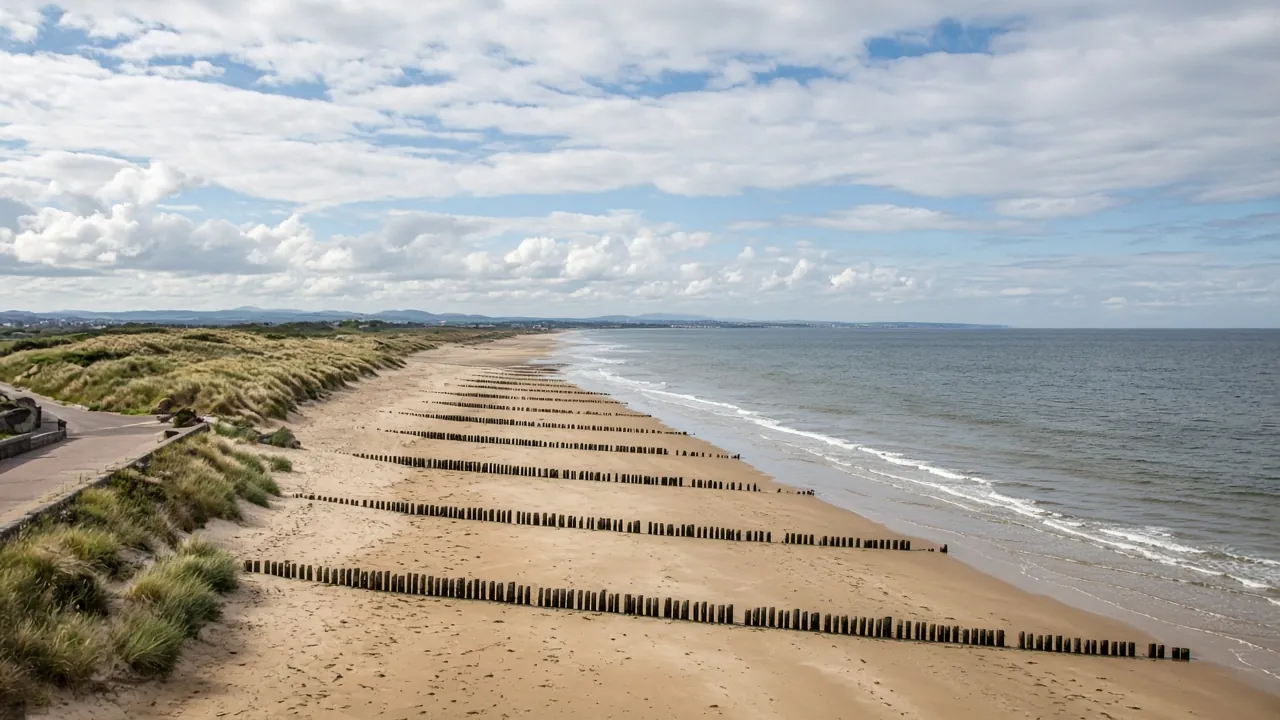
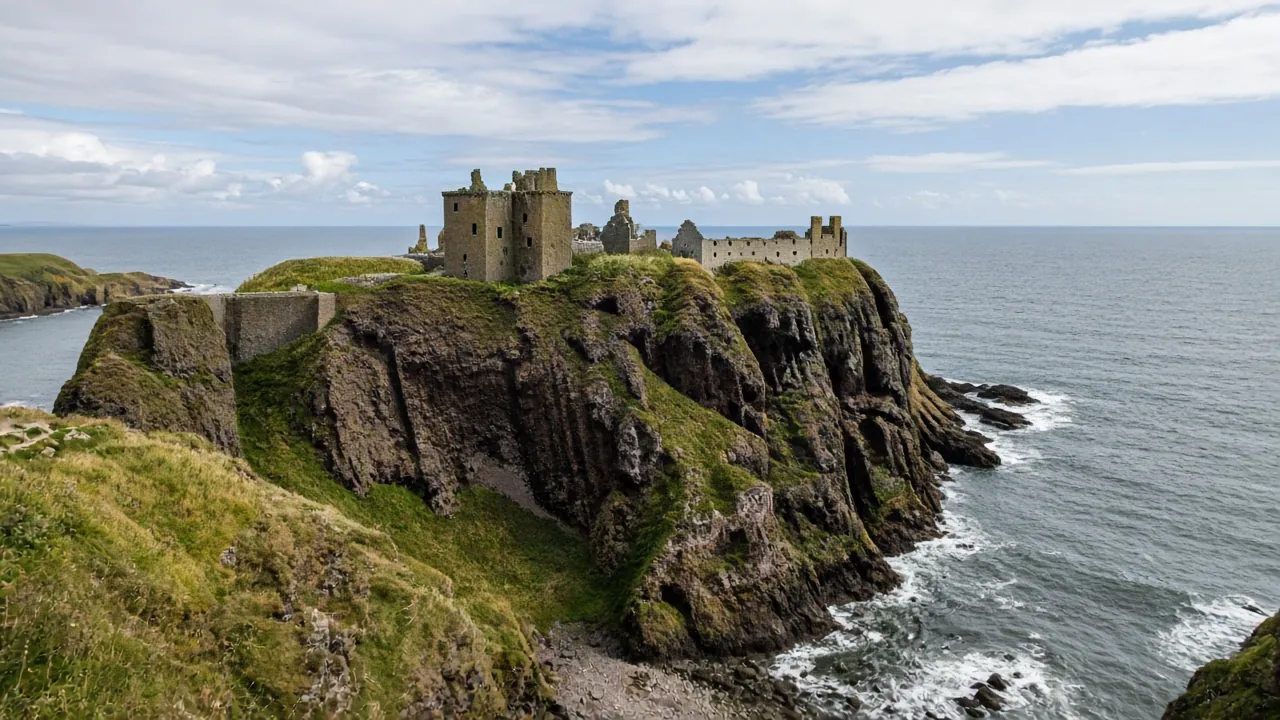
A good harbour day can stay in the city: the main streets, a museum, Old Aberdeen, a proper lunch. The coast and countryside of Aberdeenshire — Dunnottar Castle on its rock, the villages down the coast, a distillery inland — are the natural longer outings and will take a good half of the day if you go. They are worth it, and they also need a reliable way back to whichever harbour you actually used.
The climate is North Sea: it can be bright, and it can be sharp, even in summer, with a wind that finds you on the harbour wall. Food is Scottish and increasingly good in the city, with fish, beef and a serious café culture; this is not only a transit town. English is the language of the streets, with the particular accent of the northeast. The last coach or taxi from South Harbour should be treated as an appointment, worth leaving time for, because the new docks do not sit on Union Street.
This page is Aberdeen. It is not Inverness, and it is not the firth at Invergordon. A day that holds to the granite centre, and perhaps one castle on the coast, already has the city in hand, provided you know which harbour the ship is in and leave time for the ride back.
Port landmarks